

[C]Common LFP Conveying Methods and an Overview of LFP Pneumatic Conveying
Phosphate lithium iron (LFP) is a critical material in the battery industry, widely used in electric vehicles, energy storage systems, and other applications. The efficient and safe transportation of LFP powder is essential for industrial operations. Various conveying methods are employed to handle LFP, each with its own advantages and applications. This article provides an overview of common LFP conveying methods, with a focus on the benefits and characteristics of LFP pneumatic conveying.
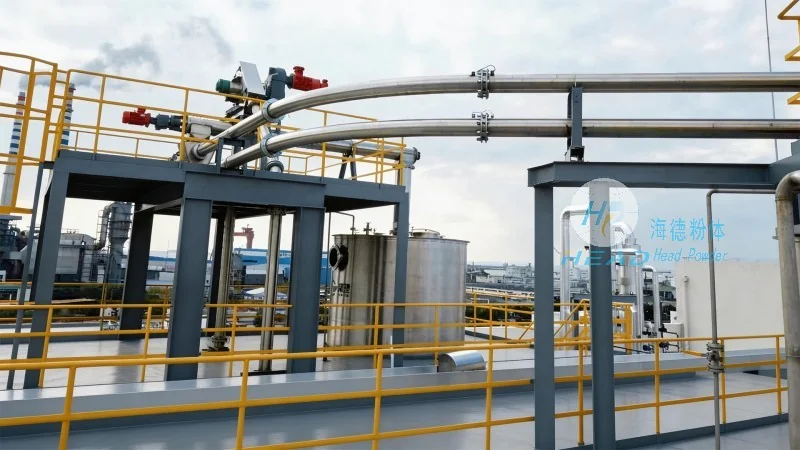
Introduction to LFP Conveying Methods
LFP, or lithium iron phosphate, is a type of lithium-ion battery cathode material known for its stability, safety, and cost-effectiveness. In industrial settings, LFP powder needs to be transported from storage to processing units, such as mixing, compounding, or packaging. The choice of conveying method depends on factors like material properties, production scale, environmental requirements, and operational efficiency. Common LFP conveying methods include mechanical conveying (e.g., screw conveyors, belt conveyors) and pneumatic conveying (e.g., dilute-phase and dense-phase systems).
Advantages of LFP Pneumatic Conveying
Pneumatic conveying, particularly the dilute-phase and dense-phase variants, offers several advantages for LFP transportation. Unlike mechanical systems, pneumatic conveyors can handle fine powders without the need for additional equipment like hoppers or chutes. This reduces the risk of material degradation and contamination. Pneumatic systems also provide better control over the conveying process, allowing for precise flow rates and pressure management. Additionally, they can transport LFP over longer distances and through multiple points without the need for intermediate storage, enhancing operational flexibility.
Dilute-Phase Pneumatic Conveying for LFP
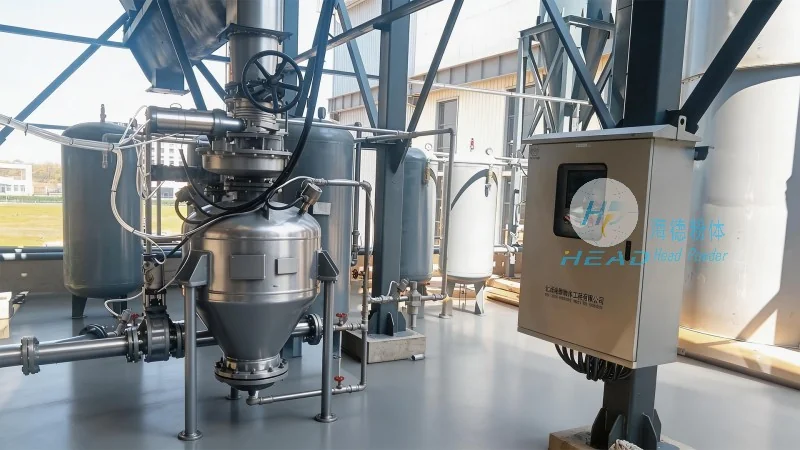
Dilute-phase pneumatic conveying involves transporting LFP particles in a low concentration of powder within the air stream. This method is suitable for relatively short distances and lower material volumes. The system typically uses a positive displacement blower or a high-pressure compressor to generate the air flow. The LFP powder is fed into the conveying line via a hopper or a rotary valve, and the air stream carries the particles through the pipeline to the destination. Dilute-phase systems are often used in applications where the material is not highly abrasive or where the conveying distance is limited to a few hundred meters.
Dense-Phase Pneumatic Conveying for LFP
Dense-phase pneumatic conveying, also known as pressure or vacuum conveying, is more suitable for longer distances and higher material loads. In this method, the LFP powder is conveyed in a higher concentration, often as a slurry or a dense stream. The system uses a positive displacement pump to create a high-pressure environment, ensuring that the material moves efficiently through the pipeline. Dense-phase systems are ideal for applications requiring reliable and consistent material flow, even over long distances. They are commonly used in large-scale production facilities where LFP needs to be transported from bulk storage to processing lines.
Key Considerations for LFP Conveying Systems
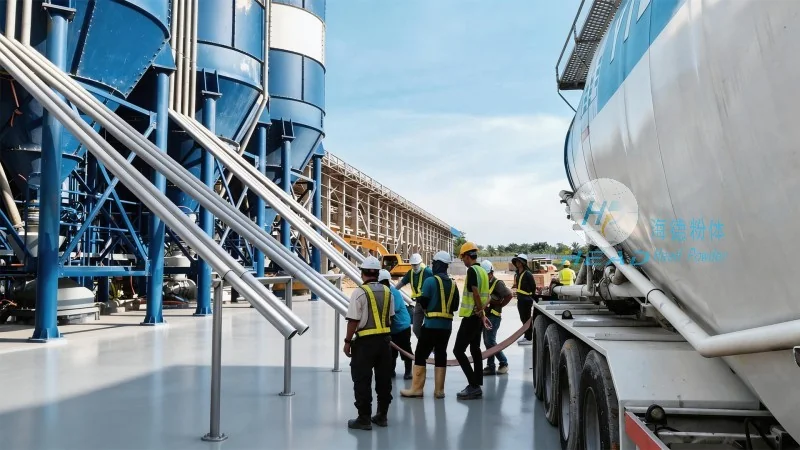
When selecting a conveying system for LFP, several factors must be considered to ensure optimal performance and safety. First, the material's properties, such as particle size, moisture content, and abrasiveness, influence the choice of equipment. LFP particles are typically fine and can be prone to static electricity, which requires proper grounding and anti-static measures in the conveying system. Second, the system must be designed to prevent dust emissions and comply with environmental regulations. Pneumatic systems can be equipped with dust collectors and filtration units to minimize air pollution. Third, the system's scalability and maintenance requirements are important for long-term operational efficiency. Companies like Shandong HeadPowder Engineering Co., Ltd., a leading provider of powder handling solutions, offer customized LFP conveying systems tailored to specific industrial needs.
Conclusion
Efficient and safe transportation of LFP is crucial for the battery manufacturing industry. Pneumatic conveying, especially dense-phase systems, offers significant advantages in terms of material handling, process control, and operational flexibility. By understanding the characteristics of different conveying methods and selecting the appropriate system, manufacturers can enhance productivity, reduce costs, and ensure compliance with safety and environmental standards. As the demand for LFP continues to grow, advanced conveying technologies will play a vital role in supporting the sustainable development of the battery industry.