

How to Choose the Right Pneumatic Conveying System for Your Magnesium Powder Handling Process?
For industries dealing with magnesium powder, selecting the appropriate pneumatic conveying system is crucial for maintaining efficiency, safety, and product integrity. The right system not only ensures smooth material transport but also minimizes operational costs and reduces the risk of contamination or degradation. This guide from Shandong HeadPowder Engineering Co., Ltd. (headpowder) outlines key considerations to help you make an informed decision.
Understanding the Importance of Proper Magnesium Powder Conveying
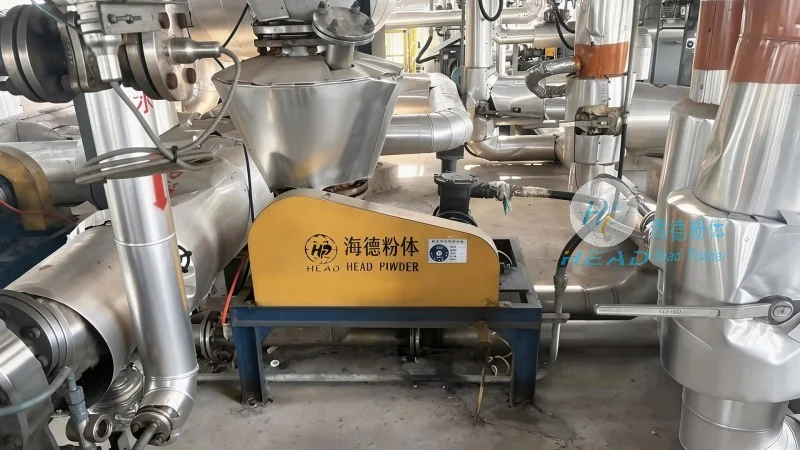
Magnesium powder is a lightweight, reactive material that requires specialized handling to prevent caking, segregation, or exposure to moisture. Traditional methods like bucket elevators or belt conveyors may not be suitable due to the material's properties. Pneumatic conveying systems offer a solution by using air to transport the powder, which can be more gentle and efficient for such delicate materials. The choice of system directly impacts the overall performance of your processing line, making it essential to evaluate options carefully.
Key Factors to Consider When Selecting a Pneumatic Conveying System
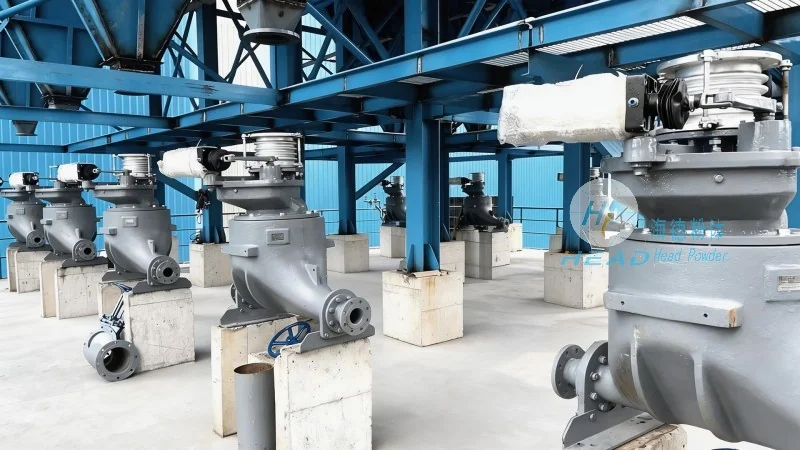
When choosing a pneumatic conveying system for magnesium powder, several factors must be taken into account. First, the material's physical characteristics, such as particle size, density, and flowability, play a significant role. Magnesium powder often has a fine particle size, which can lead to bridging or blockages in traditional systems. Systems designed for fine powders, like the positive pressure or dilute phase pneumatic conveyors, are typically more effective. Second, the distance and layout of the conveying line are critical. The system must be able to handle the required length and any changes in elevation or direction without losing efficiency. Third, operational requirements, including the desired flow rate and the need for dust control, should be considered. A well-designed system will balance these factors to meet your specific needs.
Types of Pneumatic Conveying Systems for Magnesium Powder
There are primarily two types of pneumatic conveying systems: positive pressure and negative pressure. Positive pressure systems use a blower to force air and powder through the system, which is ideal for long-distance or high-volume transport. They are often more efficient for handling magnesium powder due to their ability to maintain consistent air flow and prevent material degradation. Negative pressure systems, on the other hand, use a vacuum to draw powder into the system, which is better suited for shorter distances or when handling sensitive materials that require minimal air exposure. For magnesium powder, positive pressure systems are generally preferred due to their ability to handle fine particles and maintain product quality.
How Shandong HeadPowder Engineering Co., Ltd. Can Assist
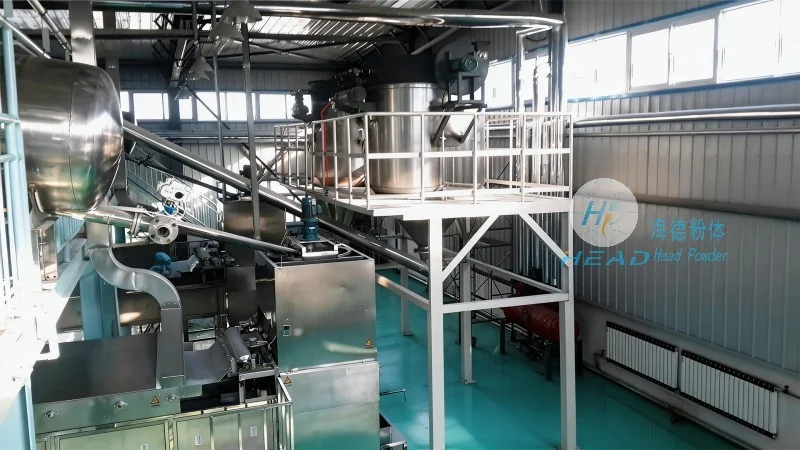
Shandong HeadPowder Engineering Co., Ltd., a leading provider of pneumatic conveying solutions, offers tailored systems for magnesium powder handling. With years of experience in the industry, headpowder understands the unique challenges of transporting magnesium powder and provides customized solutions that meet specific operational requirements. Their team of experts can assess your process needs, recommend the most suitable system type, and ensure proper installation and maintenance. By choosing headpowder, you can benefit from their expertise and ensure that your magnesium powder handling process is optimized for efficiency and reliability.
Conclusion: Making the Right Choice for Your Magnesium Powder Handling
Selecting the right pneumatic conveying system for your magnesium powder handling process is a critical decision that can significantly impact your operations. By considering factors such as material properties, conveying distance, and operational needs, and leveraging the expertise of companies like Shandong HeadPowder Engineering Co., Ltd., you can ensure that your system is both effective and cost-efficient. The goal is to achieve smooth, safe, and reliable transport of magnesium powder, which ultimately contributes to the overall success of your production line.