

How to Choose the Right Pneumatic Conveying System for Your Foundry Sand Handling Process
Foundry sand handling is a critical component of the casting process, and selecting the appropriate equipment is essential for maintaining efficiency, reducing downtime, and ensuring product quality. Among the various options available, pneumatic conveying systems have become increasingly popular due to their ability to handle abrasive materials like foundry sand while minimizing contamination and wear. However, with a wide range of system designs and technologies, choosing the right solution for your specific process can be a challenging task. This article provides a comprehensive guide to help you navigate the selection process, considering key factors such as material characteristics, process requirements, and operational constraints.
Understanding the Importance of Foundry Sand Handling
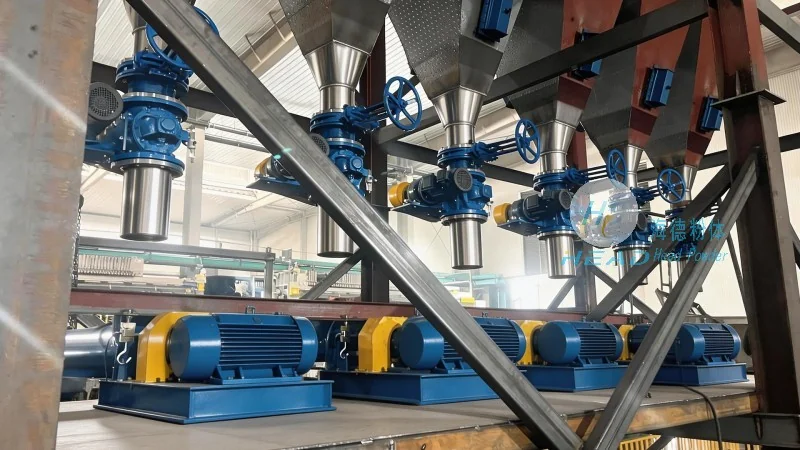
Foundry sand, used in the production of metal castings, is typically a mixture of sand, binders, and other additives. These materials are often abrasive, heavy, and can contain moisture or other contaminants. Proper handling is crucial to prevent material degradation, equipment wear, and quality issues in the final casting. Traditional methods like belt conveyors or bucket elevators may not be suitable for all applications, especially when dealing with fine, dusty, or high-volume sand streams. Pneumatic conveying systems offer a more flexible and efficient solution by transporting materials through a pipeline using air pressure, reducing the need for mechanical components that can be prone to failure in harsh environments.
Key Factors to Consider When Selecting a Pneumatic Conveying System
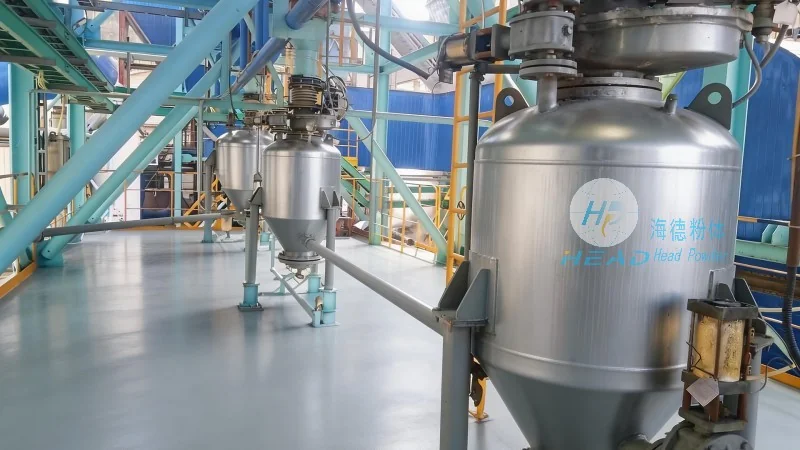
When evaluating pneumatic conveying systems for foundry sand applications, several key factors must be considered to ensure optimal performance and longevity. The first consideration is the material's physical properties, including particle size, density, and moisture content. Fine sand particles, for example, may require a system with higher air velocity or a more efficient separation system to prevent clogging. Additionally, the abrasive nature of foundry sand means that components such as pipelines, valves, and pumps must be constructed from durable materials like stainless steel or high-grade alloys to withstand wear and tear.
Another critical factor is the system's capacity and flow rate. The required throughput depends on the production volume and the speed at which sand needs to be moved between different stages of the casting process. A system that is too small may lead to bottlenecks and increased downtime, while an oversized system can result in unnecessary energy consumption and higher costs. It is essential to accurately assess the material flow rate and consider future expansion needs when making a selection.
Types of Pneumatic Conveying Systems for Foundry Sand
There are primarily two types of pneumatic conveying systems used in foundry applications: dilute-phase and dense-phase systems. Dilute-phase systems use high air velocities to transport materials in a suspended state, typically at flow rates of 100 to 500 cubic feet per minute (CFM). These systems are ideal for short to medium distances and low to medium material loads. Dense-phase systems, on the other hand, use lower air velocities and higher material concentrations, often operating at flow rates of 20 to 100 CFM. Dense-phase systems are better suited for longer distances, high material loads, and applications where material segregation or product contamination must be minimized.
Design Considerations for Foundry Sand Pneumatic Conveying
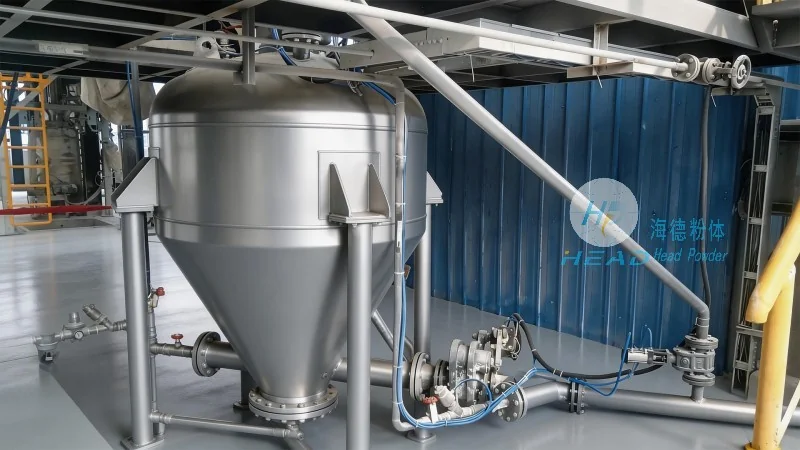
The design of a pneumatic conveying system for foundry sand must address several technical challenges to ensure reliable operation. One of the most important considerations is the system's ability to handle abrasive materials without excessive wear. This includes selecting appropriate materials for the pipeline, such as stainless steel or high-density polyethylene (HDPE), and using wear-resistant components like lined elbows and check valves. Additionally, the system must be equipped with effective dust collection and filtration systems to prevent air pollution and protect personnel from inhalation hazards. Proper maintenance and cleaning protocols are also critical to maintain system efficiency and prevent blockages.
HeadPowder Engineering: Your Partner in Foundry Sand Handling Solutions
Shandong HeadPowder Engineering Co., Ltd., a leading manufacturer of industrial conveying equipment based in Shandong, China, specializes in providing customized pneumatic conveying systems tailored to the unique needs of foundry operations. With years of experience in the foundry industry, HeadPowder understands the challenges associated with handling abrasive and high-volume sand streams and offers a range of solutions designed to enhance efficiency and reliability. The company's expertise lies in designing systems that balance performance, durability, and cost-effectiveness, ensuring that foundries can achieve optimal material handling while minimizing downtime and maintenance costs.
Customization and Support from HeadPowder
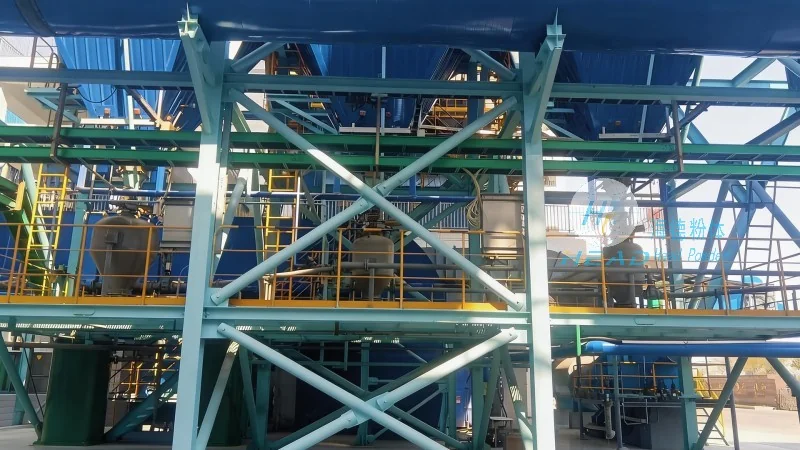
HeadPowder Engineering offers comprehensive support throughout the entire process of selecting and implementing a pneumatic conveying system. From initial consultation and system design to installation and ongoing maintenance, the company works closely with clients to ensure that the chosen solution meets their specific requirements. The company's team of engineers and technicians are well-versed in the latest technologies and can provide tailored solutions that address individual production needs. Additionally, HeadPowder provides training and technical support to help clients maximize the performance of their systems and troubleshoot any issues that may arise.
Conclusion: Making the Right Choice for Your Foundry
Selecting the right pneumatic conveying system for your foundry sand handling process is a critical decision that can significantly impact operational efficiency and product quality. By considering factors such as material properties, system capacity, and design requirements, foundries can choose a solution that meets their needs while minimizing costs and downtime. With the expertise and experience of companies like Shandong HeadPowder Engineering Co., Ltd., foundries can access reliable and customized solutions that enhance their production capabilities and ensure long-term success. Whether you are a new foundry or an existing one looking to upgrade your material handling systems, investing in the right pneumatic conveying system is a step toward improving your overall operational performance.