

Common Chromium Oxide Conveying Methods: The Advantages and Features of HeadPowder's Pneumatic Conveying for Chromium Oxide
Chromium oxide, a critical material in various industrial applications, requires efficient and reliable transportation methods to ensure consistent quality and process stability. The choice of conveying system significantly impacts operational efficiency, material integrity, and overall production costs. This article explores common chromium oxide conveying methods and highlights the advantages and features of HeadPowder's pneumatic conveying solutions for chromium oxide.
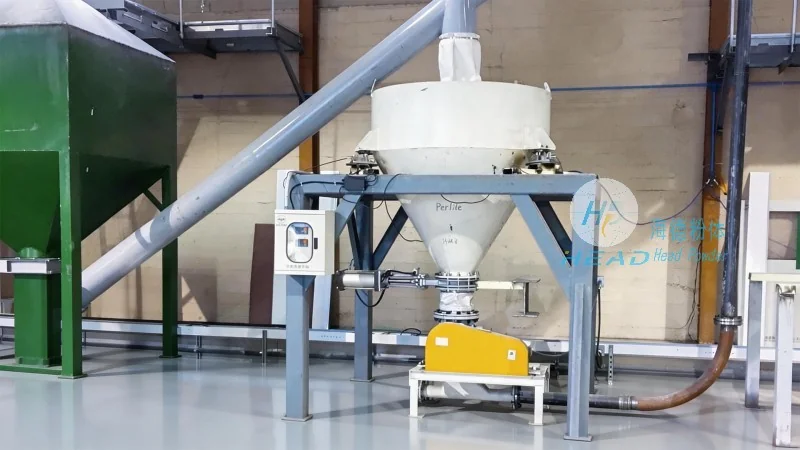
Overview of Common Chromium Oxide Conveying Methods
Traditional and conventional methods for transporting chromium oxide include mechanical conveyors such as belt conveyors, screw conveyors, and bucket elevators. These systems are widely used due to their simplicity and cost-effectiveness. However, they often face challenges when handling fine powders like chromium oxide, including issues with material buildup, clogging, and uneven flow. Additionally, mechanical conveyors may not provide adequate containment, leading to dust emissions and potential environmental concerns. Another common method is pneumatic conveying, which uses air or gas to transport materials through a pipeline. Pneumatic systems can be categorized into pressure and vacuum types, each with distinct applications and performance characteristics.
HeadPowder's Pneumatic Conveying System for Chromium Oxide: Key Advantages
HeadPowder, a leading provider of specialized material handling solutions, offers advanced pneumatic conveying systems tailored to the unique requirements of chromium oxide. The company's expertise in designing and manufacturing efficient conveying equipment ensures optimal performance and reliability. Key advantages of HeadPowder's pneumatic conveying for chromium oxide include:
1. High Efficiency and Uniform Flow: The pneumatic system ensures consistent and uniform material flow, minimizing variations in conveying rates. This uniformity is crucial for maintaining process stability and preventing material degradation. The system's ability to handle fine powders without clogging or blockages enhances operational efficiency.
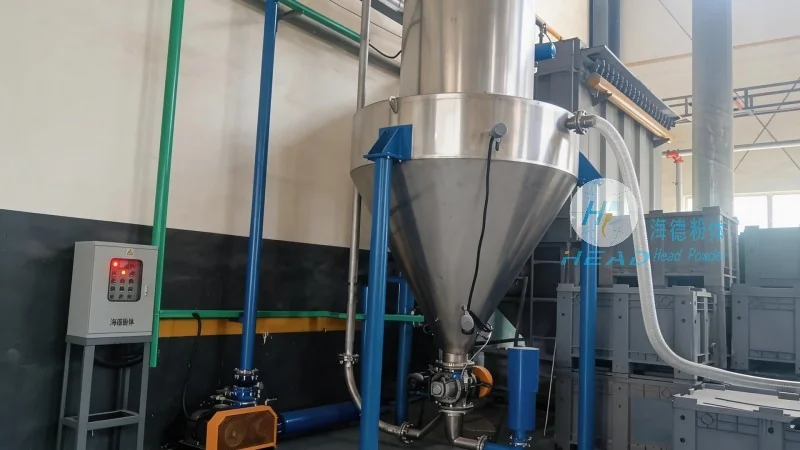
2. Excellent Material Containment: HeadPowder's systems are designed with robust sealing and filtration components, effectively containing chromium oxide dust and preventing environmental contamination. This feature not only meets regulatory requirements but also enhances workplace safety by reducing exposure to airborne particles.
3. Reduced Maintenance and Operational Costs: Compared to mechanical conveyors, pneumatic systems require less maintenance due to fewer moving parts and reduced wear. The energy efficiency of the system, particularly in pressure conveying applications, contributes to lower operational costs over the long term. The durability of the components ensures a longer service life, reducing replacement and repair expenses.
4. Customizable and Scalable Solutions: HeadPowder provides tailored pneumatic conveying solutions that can be scaled to meet varying production needs. Whether for small-scale laboratory applications or large industrial operations, the system can be customized to handle different material quantities and flow rates. This flexibility allows businesses to adapt their conveying infrastructure as their production demands evolve.
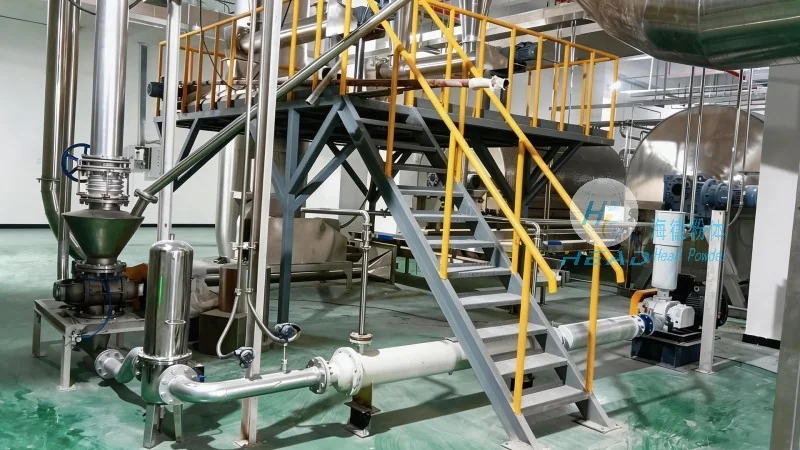
Technical Features and Components of HeadPowder's Pneumatic Conveying System
HeadPowder's pneumatic conveying system for chromium oxide incorporates several advanced technical features and components that contribute to its superior performance. The system typically includes a feed hopper, a rotary valve for controlled material discharge, a conveying pipeline with appropriate diameter and length, and a receiver for material deposition. The use of high-quality materials, such as stainless steel or corrosion-resistant alloys, ensures compatibility with chromium oxide and prevents chemical reactions or contamination.
For pressure conveying applications, the system utilizes a positive displacement blower or compressor to generate the necessary air pressure. This method is suitable for long-distance conveying and can handle both dilute and dense phase flows. The blower's design minimizes energy consumption while maintaining sufficient pressure to move the material efficiently. In vacuum conveying, a vacuum pump creates a negative pressure environment, drawing the material through the pipeline. This approach is ideal for short-distance conveying and handling materials that are sensitive to pressure changes.
The system also includes filtration and dust collection components to ensure clean air discharge and prevent material loss. High-efficiency filters capture fine particles, while the collection hopper stores the captured material for reuse or disposal. This feature enhances environmental compliance and maintains the purity of the conveyed material.
Application Examples and Case Studies
HeadPowder's pneumatic conveying systems have been successfully implemented in various industrial applications involving chromium oxide. For instance, in the production of refractory materials, the system efficiently conveys chromium oxide powders from storage silos to mixing and processing equipment. The uniform flow and containment features ensure consistent product quality and reduce downtime due to material blockages. In the chemical industry, the system is used to transport chromium oxide for pigment production, where precise material handling is critical to achieving desired color properties.
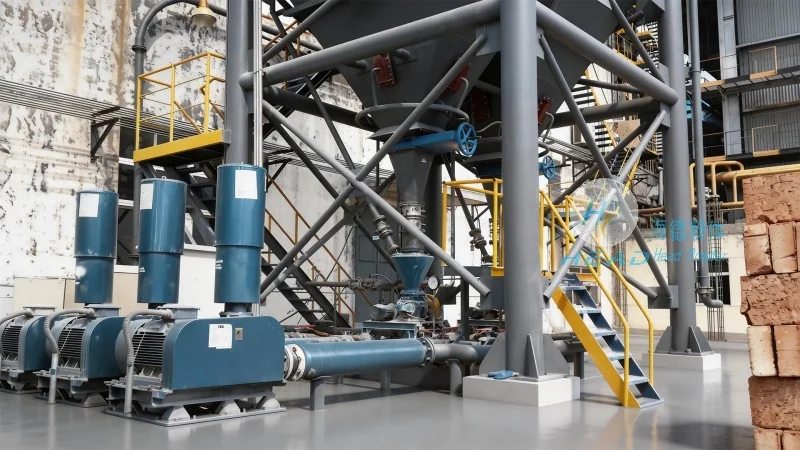
Another application is in the manufacturing of specialty coatings, where chromium oxide is used as a pigment or additive. The pneumatic system ensures accurate dosing and uniform distribution of the material, leading to improved coating performance and reduced waste. Case studies have shown significant improvements in production efficiency and cost savings when adopting HeadPowder's pneumatic conveying solutions.
Conclusion: Choosing the Right Conveying Solution for Chromium Oxide
When selecting a conveying method for chromium oxide, it is essential to consider factors such as material properties, production scale, and operational requirements. While mechanical conveyors may be suitable for some applications, they often fall short in handling fine powders and ensuring material integrity. Pneumatic conveying, particularly with advanced systems like those offered by HeadPowder, provides a superior solution with enhanced efficiency, containment, and cost-effectiveness. HeadPowder's expertise in designing customized pneumatic conveying systems ensures that businesses can achieve optimal performance and reliability in their chromium oxide handling processes.
By leveraging the advantages of HeadPowder's pneumatic conveying technology, industries can improve their operational efficiency, reduce costs, and maintain compliance with environmental regulations. The company's commitment to quality and innovation makes it a trusted partner for material handling solutions in the chromium oxide industry.