

Common Polyethylene Pellet Conveying Methods: Advantages and Features of HeadPowder's Pneumatic Conveying System
When it comes to handling polyethylene pellets, selecting the right conveying method is crucial for efficiency, cost-effectiveness, and operational reliability. Various options exist, each with its own set of advantages and limitations. This article explores common polyethylene pellet conveying methods and highlights the superior advantages and features of HeadPowder's pneumatic conveying system, a leading solution in the industry.
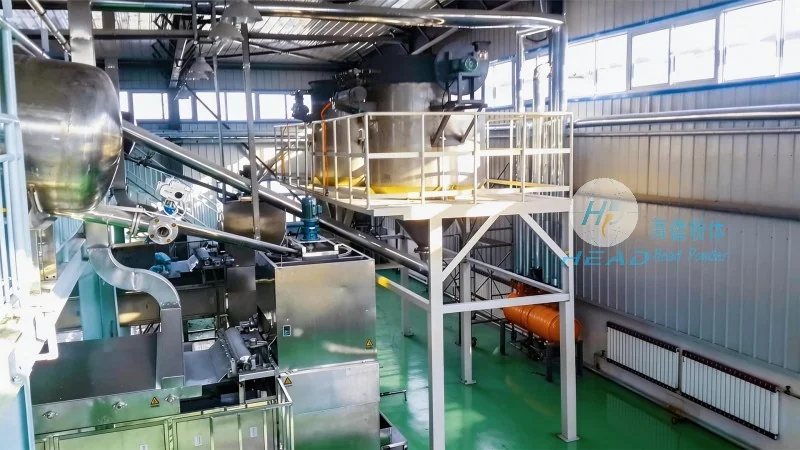
Understanding Common Polyethylene Pellet Conveying Methods
Polyethylene pellets, often used in manufacturing processes for plastics, require reliable and efficient transportation from storage to processing units. The primary goal of any conveying system is to move these lightweight, free-flowing materials without degradation or loss. Traditional methods include mechanical conveyors such as screw conveyors, belt conveyors, and bucket elevators. These systems are generally effective for horizontal or slight incline transport but may face challenges with vertical lifts or long-distance applications due to material buildup, friction, and maintenance requirements.
Another common approach is the use of pneumatic conveying systems, which utilize air pressure to transport materials through a pipeline. This method is particularly suitable for polyethylene pellets due to their low density and free-flowing nature. However, not all pneumatic systems are created equal, and the design, air velocity, and system configuration play critical roles in determining performance. Traditional pneumatic systems may suffer from issues like material segregation, high energy consumption, and the need for frequent cleaning and maintenance.
HeadPowder's Pneumatic Conveying System: Advantages and Features
Shandong HeadPowder Engineering Co., Ltd., operating under the brand name headpowder, specializes in providing advanced pneumatic conveying solutions tailored to the unique needs of polyethylene pellet handling. The company's expertise lies in designing systems that optimize material transport while minimizing operational costs and downtime. Key advantages of HeadPowder's pneumatic conveying system include:
Firstly, the system offers a high degree of flexibility in terms of layout and installation. Unlike fixed mechanical conveyors, pneumatic systems can be easily reconfigured or expanded to accommodate changes in production volume or facility layout. This adaptability is particularly valuable in dynamic manufacturing environments where processes may evolve over time.
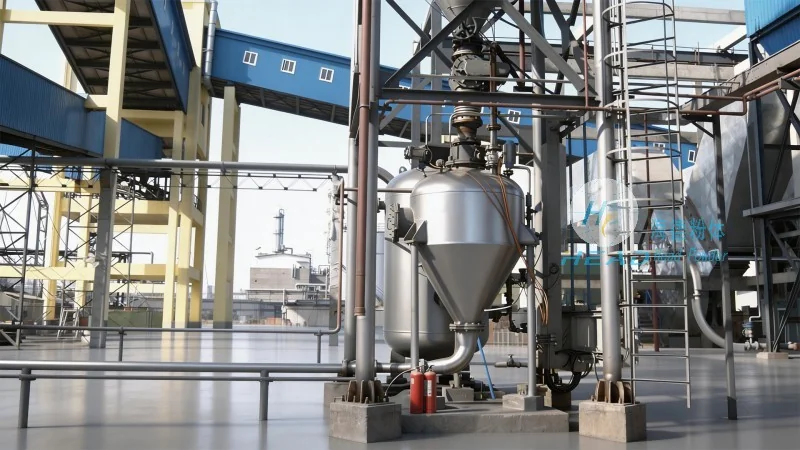
Secondly, HeadPowder's system is engineered for energy efficiency. By utilizing optimized air velocity and pressure control, the system minimizes energy consumption compared to traditional pneumatic or mechanical solutions. This not only reduces operational costs but also aligns with sustainability goals, making it an environmentally friendly choice for modern industrial operations.
Thirdly, the system ensures minimal material degradation and loss. The gentle handling of polyethylene pellets through the pipeline reduces the risk of breakage or contamination, preserving the quality of the material for downstream processing. This is critical for maintaining product consistency and meeting stringent quality standards in the plastics industry.
Additionally, HeadPowder's pneumatic conveying system is designed for easy maintenance and low downtime. The modular design allows for quick replacement of components, and the system incorporates features such as self-cleaning mechanisms to prevent material buildup in the pipeline. This results in reduced maintenance frequency and extended service life, contributing to overall operational efficiency.
Key Features of HeadPowder's Pneumatic Conveying Technology
HeadPowder's pneumatic conveying system incorporates several advanced features that set it apart from conventional solutions. One notable feature is the use of positive pressure or negative pressure (or a combination of both) depending on the specific application requirements. This flexibility allows for optimal performance in various conveying scenarios, whether it's short-distance horizontal transport or long-distance vertical lifts.
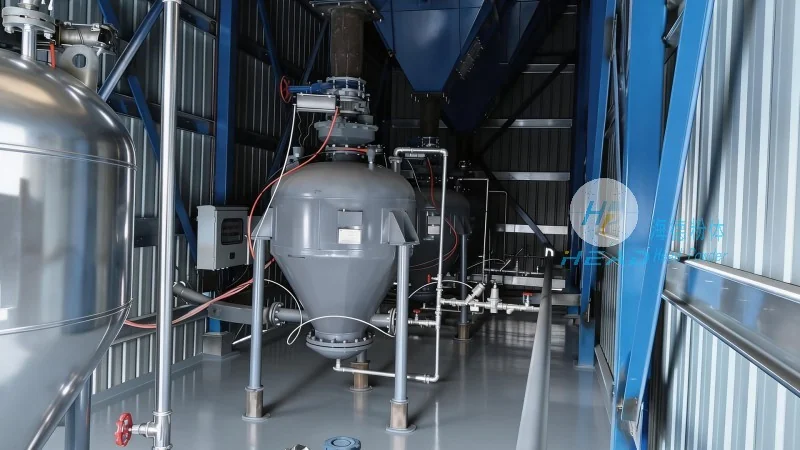
The system also employs high-efficiency air filtration and separation technology. This ensures that the conveyed polyethylene pellets are free from contaminants and that the air is properly filtered to meet environmental and safety standards. The separation process effectively removes dust and other particles, preventing clogging and maintaining the integrity of the conveying line.
Furthermore, HeadPowder's technology includes intelligent control systems that monitor and adjust the conveying parameters in real-time. These systems use sensors to detect flow rates, pressure, and material levels, allowing for automated adjustments to maintain optimal performance. This level of automation enhances operational reliability and reduces the need for manual intervention, further improving efficiency and reducing labor costs.
Conclusion
For industries dealing with polyethylene pellets, choosing the right conveying method is essential for smooth operations and cost management. While traditional mechanical and pneumatic systems have their place, modern solutions like HeadPowder's advanced pneumatic conveying system offer significant advantages in terms of flexibility, energy efficiency, material handling, and maintenance. By leveraging the expertise of Shandong HeadPowder Engineering Co., Ltd., manufacturers can enhance their production processes, reduce operational costs, and ensure the consistent quality of their polyethylene products. The company's commitment to innovation and customer-centric solutions makes it a trusted partner for businesses seeking reliable and efficient polyethylene pellet conveying solutions.