

Common Polyvinyl Butyral (PVB) Conveying Methods: Advantages of HeadPowder's PVB Pneumatic Conveying System
When it comes to transporting polyvinyl butyral (PVB), a versatile polymer widely used in applications such as safety glass and coatings, selecting the right conveying method is crucial for efficiency and product integrity. Common PVB conveying methods include mechanical systems like belt conveyors and screw conveyors, as well as pneumatic systems that use air to move materials. Each method has its own set of advantages and limitations, and the choice often depends on factors like material properties, production scale, and operational environment.
Traditional Conveying Methods for PVB
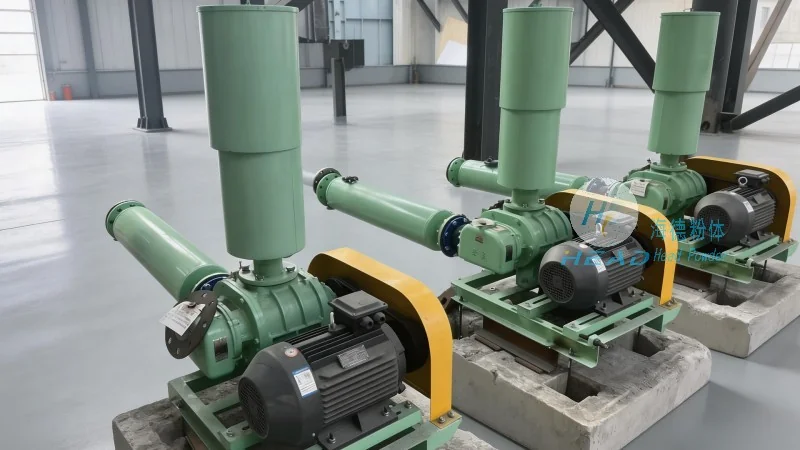
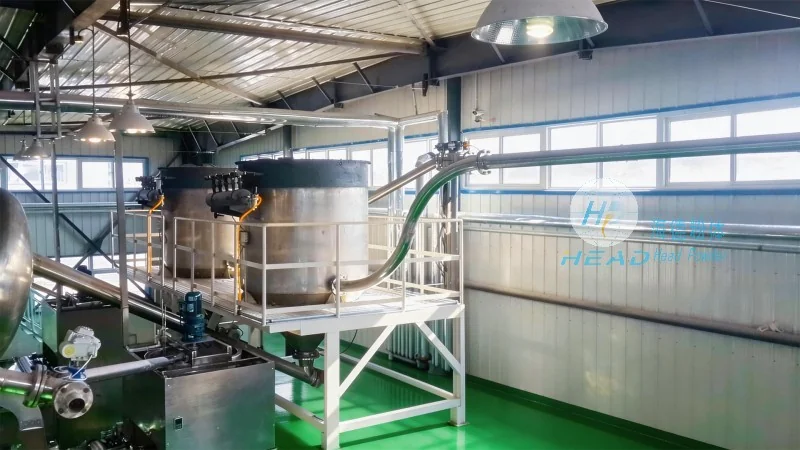
Traditional mechanical conveying systems have long been a staple in industrial settings for handling bulk materials. Belt conveyors, for instance, are widely used for transporting PVB pellets or granules over short to medium distances. They offer simplicity in design and operation, making them suitable for applications where material flow is relatively consistent. However, mechanical systems may face challenges with PVB, such as material sticking to conveyor surfaces or the risk of contamination from metal components. Screw conveyors are another common option, particularly for vertical or inclined transport. They are effective for moving PVB through hoppers and silos but can experience issues with blockages and wear, especially when handling abrasive or sticky materials like PVB.
Pneumatic Conveying: A Modern Approach
Pneumatic conveying systems, which utilize air pressure to transport materials, represent a more advanced solution for PVB handling. These systems can be categorized into two main types: dilute-phase and dense-phase. Dilute-phase systems use low air velocity to move materials in a suspended state, while dense-phase systems employ higher air pressure to push material in a more compact form. Pneumatic conveying offers several benefits for PVB, including reduced risk of product contamination, minimal equipment wear, and the ability to handle materials in a closed system, which is critical for maintaining product quality and safety.
HeadPowder's PVB Pneumatic Conveying System: Key Advantages
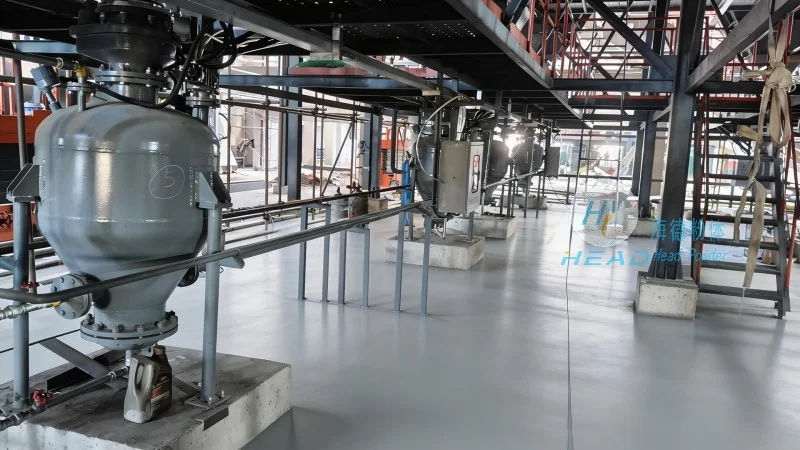
Shandong HeadPowder Engineering Co., Ltd. (headpowder), based in Shandong, China, specializes in providing advanced pneumatic conveying solutions tailored to the unique needs of PVB processing. Their PVB pneumatic conveying system stands out for several key reasons. First, the system is designed with high-quality materials that resist corrosion and wear, ensuring long-term reliability and minimal maintenance. The closed-loop design minimizes exposure to external contaminants, preserving the purity of PVB, which is essential for applications like safety glass manufacturing where material quality directly impacts product performance. Second, the system offers precise control over air pressure and flow rates, allowing for consistent and efficient material transport. This precision helps maintain the integrity of PVB pellets, preventing breakage or degradation during handling. Third, the energy efficiency of the system is optimized through advanced aerodynamic design, reducing operational costs while maintaining high performance. The system also features easy integration with existing production lines, making it a practical upgrade for manufacturers looking to enhance their PVB handling capabilities.
Application-Specific Benefits of HeadPowder's System
For PVB manufacturers, the advantages of HeadPowder's pneumatic conveying system extend beyond basic transport. The system is particularly beneficial for high-volume production environments where consistent material flow is critical. By reducing downtime caused by equipment failures or blockages, the system improves overall production efficiency. Additionally, the closed system design helps maintain a controlled environment, which is vital for PVB applications that require specific moisture or temperature conditions. This ensures that the final product meets stringent quality standards, enhancing customer satisfaction and brand reputation. The system's adaptability also allows it to handle various PVB forms, including pellets, powders, and flakes, making it a versatile solution for different production stages.
Conclusion: Choosing the Right PVB Conveying Solution
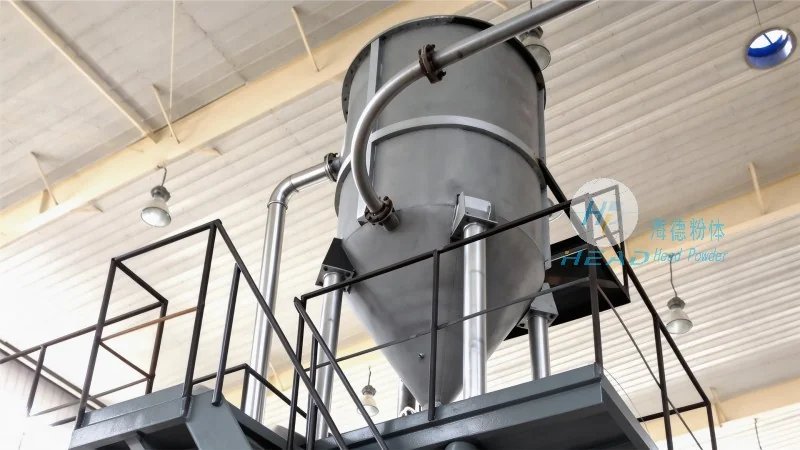
When evaluating PVB conveying methods, it's clear that traditional mechanical systems have limitations, especially when dealing with the delicate properties of PVB. Pneumatic conveying, particularly with advanced systems like those offered by HeadPowder, provides a superior alternative. By combining efficiency, reliability, and product protection, HeadPowder's PVB pneumatic conveying system addresses the key challenges faced by manufacturers in the PVB industry. For companies looking to optimize their PVB handling processes, investing in a high-quality pneumatic conveying system from a reputable provider like headpowder can lead to significant improvements in productivity, product quality, and operational costs. With its focus on innovation and customer-centric solutions, Shandong HeadPowder Engineering Co., Ltd. continues to be a leader in providing effective PVB conveying solutions for the global market.