

Methods of Transporting Micro Bead Powders
Micro bead powders are widely used in various industrial applications, and efficient transport is crucial for maintaining product quality and operational efficiency. The methods used to handle these powders vary based on the material properties, particle size, and the specific requirements of the production process. Understanding the different transport options is essential for selecting the most suitable system for your application. As a leading manufacturer in the field, Shandong HeadPowder Engineering Co., Ltd. specializes in providing high-quality transport solutions for micro bead powders.

Key Considerations for Micro Bead Powder Transport
Before choosing a transport method, several factors need to be considered. These include the density and flowability of the micro beads, the required flow rate, the distance over which the powder needs to be moved, and the environmental conditions such as temperature and humidity. Additionally, the need for dust control and the space available for the transport system are important considerations. By evaluating these factors, you can determine the most effective transport solution for your micro bead powder handling needs.
Common Transport Methods for Micro Bead Powders
There are several common methods used to transport micro bead powders, each with its own advantages and limitations. The primary methods include pneumatic conveying, mechanical conveying, and gravity flow systems. Each method is suitable for different scenarios, and the choice depends on the specific characteristics of the micro beads and the operational requirements.
Pneumatic Conveying Systems
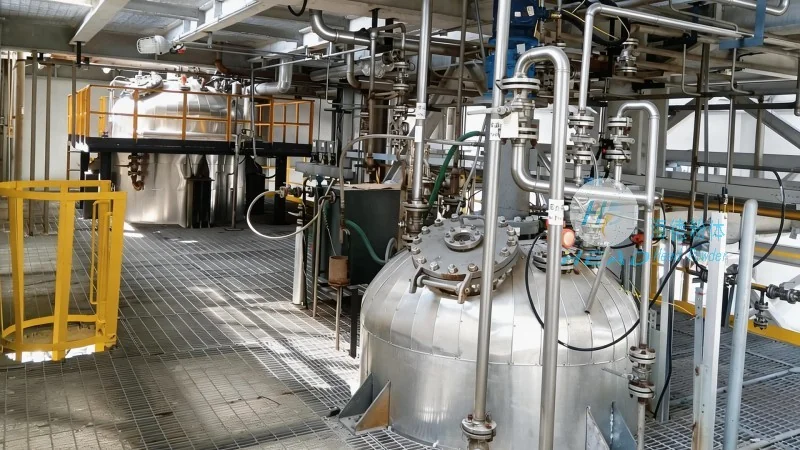
Pneumatic conveying is a widely used method for transporting micro bead powders, especially when long distances or complex routes are required. This system uses air or other gases to move the powder through a pipeline. There are two main types of pneumatic conveying: pressure and vacuum systems. Pressure systems use compressed air to push the powder, while vacuum systems use a vacuum to pull the powder. The choice between these depends on the distance and the amount of material to be transported. For micro bead powders, pressure systems are often preferred as they can handle higher flow rates and are more efficient for longer distances. The system typically consists of a hopper, a conveyor line, and a receiver. The micro beads are fed into the hopper, and then air is introduced to create a flow of powder through the line. The receiver collects the powder at the end of the line. Pneumatic conveying is effective for micro bead powders because it can handle fine particles without causing excessive wear or blockages. However, it requires proper maintenance to ensure consistent performance and to prevent dust emissions.
Mechanical Conveying Systems
Mechanical conveying systems use mechanical components such as belts, screws, and buckets to move the micro bead powders. These systems are suitable for shorter distances and when the powder needs to be transported at a lower speed. The most common types of mechanical conveyors for micro bead powders are screw conveyors and belt conveyors. Screw conveyors use a rotating screw to push the powder forward. The screw is typically made of stainless steel or other materials that are resistant to wear and corrosion. Belt conveyors use a belt that moves the powder along a path. These systems are simple to install and maintain, and they can handle a wide range of particle sizes. However, they may not be suitable for very fine micro beads as they can cause blockages or excessive wear on the components.
Gravity Flow Systems
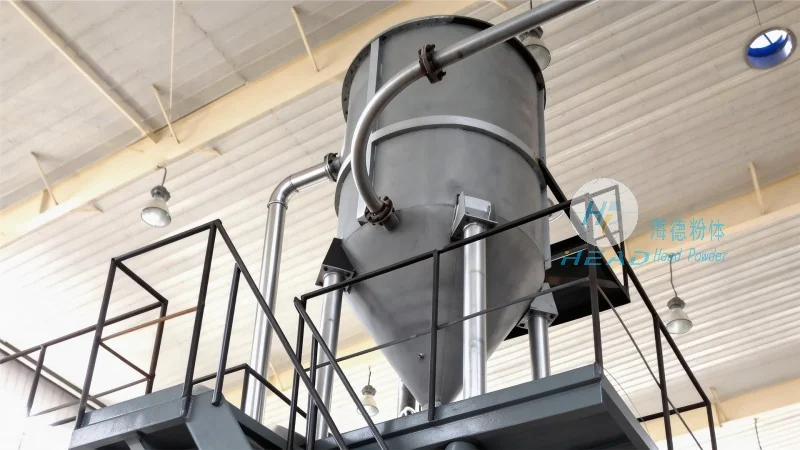
Gravity flow systems rely on the natural weight of the micro bead powders to move them from a higher to a lower level. This method is suitable for short vertical or horizontal distances and when the powder is free-flowing. The system typically consists of a hopper, a chute, and a receiving container. The micro beads are fed into the hopper, and then flow down the chute due to gravity. The receiving container collects the powder at the bottom. Gravity flow systems are simple and low-cost, and they do not require any moving parts. However, they are limited by the distance and the angle of the chute. The powder must be free-flowing and not too fine to prevent clogging. For micro bead powders, gravity flow systems are often used for short distances, such as from a storage silo to a processing unit.
Choosing the Right Transport Method for Your Application
When selecting a transport method for micro bead powders, it is important to consider the specific requirements of your application. Pneumatic conveying is ideal for long distances and high flow rates, while mechanical conveyors are better for shorter distances and lower speeds. Gravity flow systems are suitable for short distances and free-flowing powders. Additionally, the cost of the system, the maintenance requirements, and the environmental impact should be considered. By carefully evaluating these factors, you can choose the most effective and efficient transport method for your micro bead powder handling needs.
Conclusion
Micro bead powder transport is a critical aspect of many industrial processes, and the choice of transport method can significantly impact the efficiency and quality of the operation. By understanding the different methods available and considering the specific requirements of your application, you can select the most suitable transport system. Whether using pneumatic, mechanical, or gravity flow systems, proper design and maintenance are essential to ensure consistent performance and to maintain the quality of the micro bead powders. Shandong HeadPowder Engineering Co., Ltd. is committed to providing reliable and efficient transport solutions for micro bead powders, helping businesses achieve optimal performance and product quality.