

What Are the Methods for Mineral Sand Conveying?
When it comes to mineral sand conveying, selecting the right method is crucial for efficient material handling in mining and processing operations. The choice of conveying system depends on factors such as the type of mineral sand, the distance to be conveyed, the required throughput, and the operational environment. Here, we explore the primary methods used for mineral sand transportation, focusing on the expertise and solutions provided by Shandong HeadPowder Engineering Co., Ltd., a leading provider in the field.
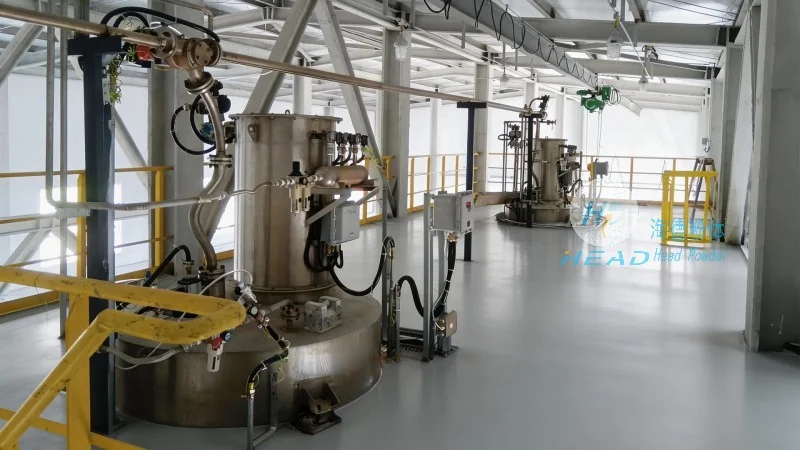
1. Belt Conveyor Systems for Mineral Sand Transport
Belt conveyors are among the most common and versatile methods for mineral sand conveying. These systems utilize a continuous belt that moves material from the loading point to the discharge point. The design of the belt conveyor can be customized to handle various types of mineral sands, including silica sand, quartz sand, and other fine-grained materials. HeadPowder, with its years of experience, offers high-quality belt conveyor solutions that ensure reliable and efficient transport. The company’s belt conveyors are engineered to withstand the abrasive nature of mineral sands, minimizing wear and extending service life. Key features include adjustable speed controls, robust frame structures, and easy maintenance components, making them suitable for both small-scale and large-scale mining operations.
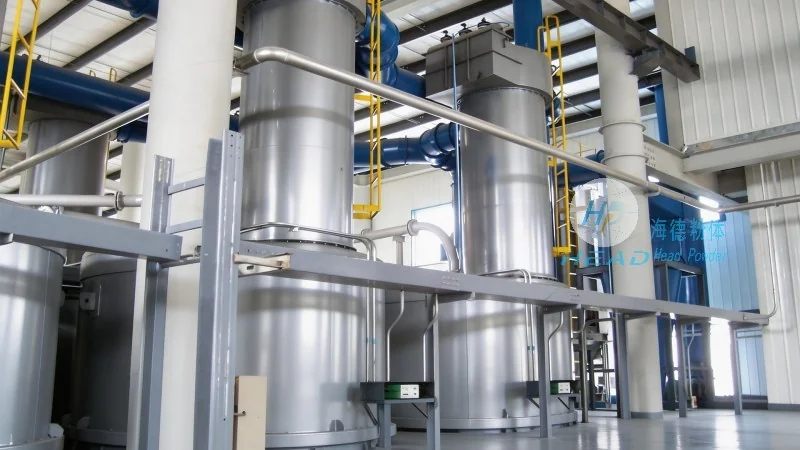
2. Screw Conveyors for Fine Mineral Sand Handling
Screw conveyors are an excellent choice for conveying fine mineral sands, especially when the material is in a dry or semi-dry state. These systems consist of a rotating screw (or auger) inside a U-shaped or cylindrical housing. As the screw rotates, it pushes the mineral sand forward, ensuring consistent and controlled movement. HeadPowder’s screw conveyors are designed to handle materials with high moisture content or those that tend to clump together, preventing blockages and ensuring smooth operation. The conveyors are equipped with variable speed drives and wear-resistant liners, which enhance durability and reduce maintenance costs. This method is particularly effective for short to medium-distance conveying and for feeding other processing equipment, such as crushers or classifiers.
3. Bucket Elevators for Vertical Mineral Sand Transport
For vertical transport of mineral sand, bucket elevators provide an efficient solution. These systems use a series of buckets attached to a belt or chain that moves vertically, lifting the mineral sand from a lower to a higher level. HeadPowder’s bucket elevators are engineered to handle heavy loads and abrasive materials, ensuring reliable vertical conveying. The design includes heavy-duty buckets, strong drive mechanisms, and safety features like emergency stop buttons. This method is ideal for applications where horizontal space is limited or when the material needs to be elevated to a significant height. The company’s bucket elevators are built to meet strict safety standards and are suitable for continuous operation in industrial settings.
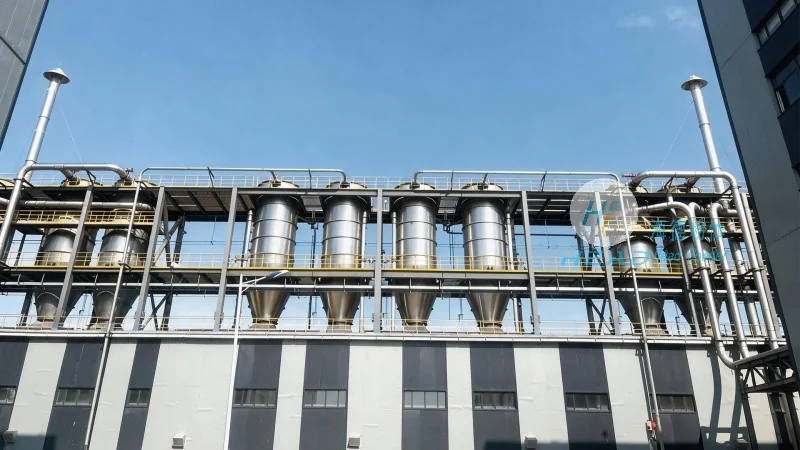
4. Pneumatic Conveying Systems for Dusty Mineral Sand
Pneumatic conveying systems use air pressure to transport mineral sand, making them suitable for handling dusty or fine-grained materials that are difficult to convey with mechanical systems. These systems can be classified into two main types: pressure and vacuum. Pressure systems push the material through a pipeline using compressed air, while vacuum systems draw the material into the pipeline using a vacuum pump. HeadPowder offers pneumatic conveying solutions that are effective for conveying mineral sands over longer distances and in environments where dust control is critical. The company’s systems are equipped with filters and dust collection units to minimize air pollution and ensure compliance with environmental regulations. Pneumatic conveying is particularly advantageous for applications that require gentle handling of the material, preventing breakage or degradation.
5. Hydraulic Conveying for Wet Mineral Sand
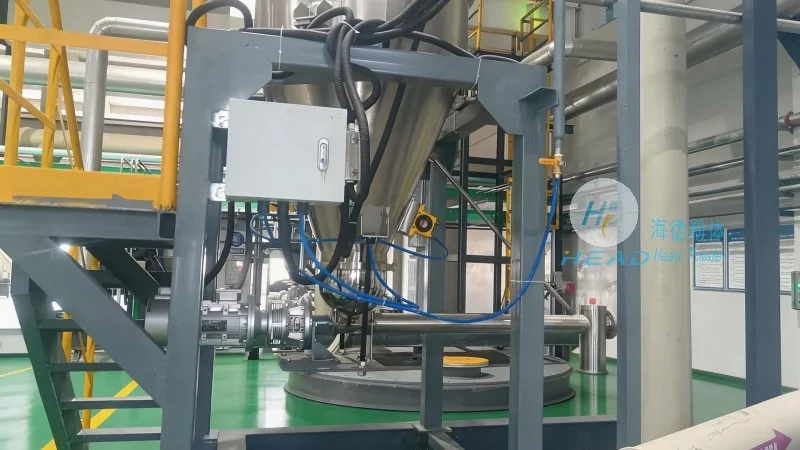
Hydraulic conveying systems are used for transporting wet or slurry-form mineral sands. These systems utilize water or other liquids to create a slurry that is pumped through pipelines to the discharge point. HeadPowder’s hydraulic conveying solutions are designed to handle high-volume flows of wet mineral sands, ensuring efficient transport without clogging. The systems include pumps, pipelines, and control valves that regulate the flow and pressure of the slurry. This method is ideal for applications where the mineral sand is mixed with water, such as in washing or dewatering processes. The company’s hydraulic conveyors are built with corrosion-resistant materials to withstand the chemical and abrasive nature of the slurry, ensuring long-term performance and reliability.
6. Customized Conveying Solutions by HeadPowder
At Shandong HeadPowder Engineering Co., Ltd., we understand that each mineral sand conveying project has unique requirements. Therefore, we offer customized solutions tailored to the specific needs of our clients. Our team of engineers works closely with customers to assess their operational needs, material characteristics, and site conditions to design the most suitable conveying system. Whether it’s a standard belt conveyor or a complex multi-stage system combining different technologies, HeadPowder provides comprehensive engineering, manufacturing, and installation services. The company’s commitment to quality and customer satisfaction is reflected in its ISO-certified manufacturing processes and rigorous quality control measures. By choosing HeadPowder, clients can expect reliable, efficient, and cost-effective mineral sand conveying solutions that meet their production goals.