Công ty TNHH Kỹ thuật Headpowder Sơn Đông chuyên vận chuyển khí nén bột và hạt. Nhờ thế mạnh hợp tác doanh nghiệp‑trường‑viện, chúng tôi cung cấp giải pháp vận chuyển kín, không bụi, độ chính xác cao.
Micro silica powder, also known as fumed silica, is a fine powder with a high surface area and unique properties, widely used in various industries such as construction, electronics, and cosmetics. The efficient and safe conveyance of micro silica powder is crucial for industrial applications, as it ensures consistent quality and minimizes material loss. This article explores the primary methods for micro silica powder conveyance, highlighting the key considerations and applications for each approach.
1. Air-Pressure Conveyance: The Most Common Method for Micro Silica Powder
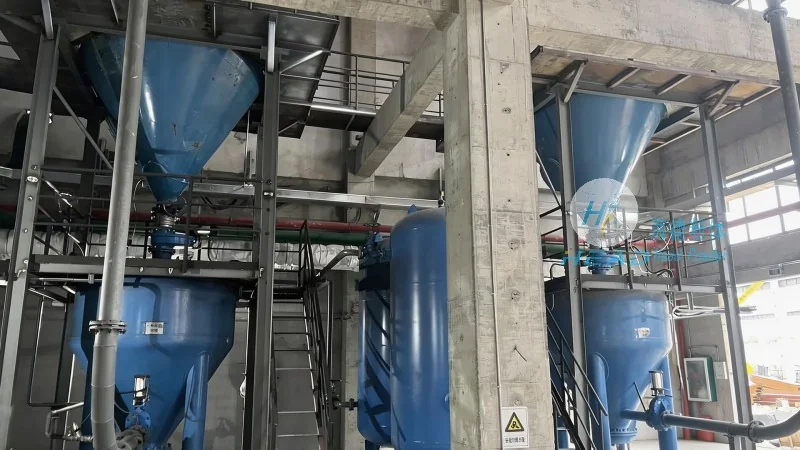
HeadPowder, a leading manufacturer based in Shandong, China, emphasizes air-pressure conveyance as the most widely adopted method for micro silica powder transport. This technique utilizes a pressure differential to move the powder through a closed system, typically involving a blower or compressor to generate the necessary airflow. The process involves feeding the micro silica powder into a hopper, where it is then drawn into a pipeline by the pressurized air. The advantages of air-pressure conveyance include high efficiency, minimal material degradation, and the ability to handle fine powders without clogging. However, it requires careful control of air pressure and flow rates to prevent dust explosions and ensure consistent particle size distribution. HeadPowder's advanced air-pressure systems are designed to meet industrial standards, offering reliable performance for large-scale production.
2. Screw Conveyors: A Versatile Solution for Horizontal and Vertical Transport
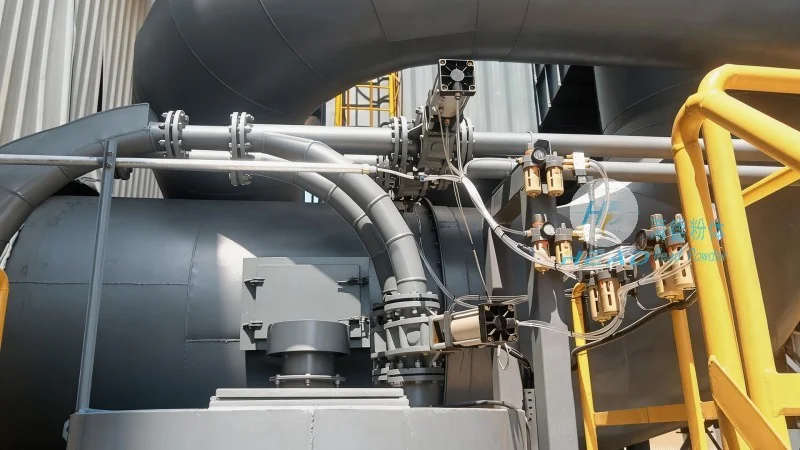
For applications requiring horizontal or slight vertical transport of micro silica powder, screw conveyors are a practical choice. These devices consist of a rotating helical screw inside a trough, which moves the powder along the length of the conveyor. Screw conveyors are particularly effective for handling bulk materials with moderate moisture content and are easy to install and maintain. HeadPowder offers customized screw conveyor solutions tailored to specific operational needs, ensuring smooth and continuous material flow. The design of the screw (e.g., solid or segmented) and the speed of rotation can be adjusted to optimize the conveyance of micro silica powder, preventing caking and ensuring uniform particle movement. This method is suitable for both small-scale and large-scale operations, providing a cost-effective alternative to air-pressure systems in certain scenarios.
3. Pneumatic Conveying Systems: Combining Air and Vacuum for Flexible Transport
Pneumatic conveying systems integrate both pressure and vacuum modes to provide flexible transport options for micro silica powder. These systems can operate in either positive or negative pressure, allowing for the movement of powder from multiple sources to a central collection point. The vacuum mode is particularly useful for transferring materials from elevated or remote locations, as it can draw the powder into the system without the need for additional lifting equipment. HeadPowder's pneumatic conveying solutions are engineered to handle varying particle sizes and flow rates, ensuring efficient and safe transport. The use of specialized filters and dust collectors in these systems helps maintain air quality and comply with environmental regulations. Pneumatic conveying is ideal for applications where space constraints or the need for gentle handling are critical factors.
4. Hydraulic Conveyance: A High-Pressure Alternative for Dense Powders
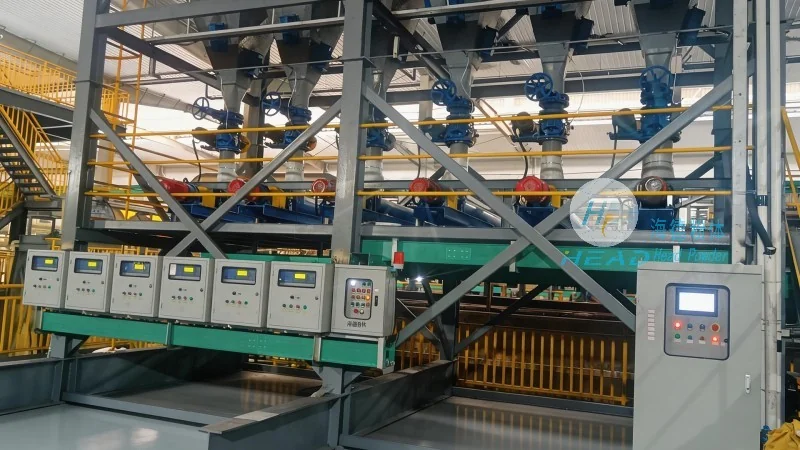
For dense and abrasive micro silica powders, hydraulic conveyance offers a high-pressure solution. This method involves pumping the powder through a closed pipeline using high-pressure water or a hydraulic fluid, which provides the necessary force to move the material. Hydraulic conveyance is particularly effective for handling materials with high bulk density and is less prone to clogging compared to air-based systems. However, it requires robust equipment and regular maintenance to prevent wear and tear from the abrasive nature of the powder. HeadPowder's hydraulic systems are designed with durable components to withstand the demands of heavy-duty applications, ensuring long-term reliability. This method is commonly used in industries where the powder's density and handling characteristics make other methods less suitable.
5. Belt Conveyors: Suitable for Bulk and Large-Scale Transport
Belt conveyors are another option for transporting micro silica powder, especially in bulk and large-scale operations. These systems use a continuous belt to move the powder along a fixed path, with the material being loaded at one end and discharged at the other. Belt conveyors are highly efficient for horizontal transport and can handle large volumes of material with minimal energy consumption. HeadPowder provides customized belt conveyor solutions that can be integrated with other processing equipment, such as mixers or storage silos. The choice of belt material (e.g., rubber or PVC) and the speed of the conveyor belt can be adjusted to optimize the conveyance of micro silica powder, preventing material buildup and ensuring smooth operation. This method is particularly advantageous when dealing with wet or sticky powders, as the belt can be designed to prevent caking and maintain consistent flow.

 Shandong Headpowder Engineering Co., Ltd.
 156-6277-7102(Quản lý Trương)
  0531-83386006
  Thành phố Tế Nam, Tỉnh Sơn Đông, Trung Quốc
Điện thoại
WeChatTư vấn
Lên đầu