

Phenolic Resin Powder Transportation Methods
For industrial operations dealing with phenolic resin powder, efficient and reliable transportation is crucial to maintain production efficiency and product quality. Shandong HeadPowder Engineering Co., Ltd., a leading provider in the field, specializes in solutions tailored to the unique characteristics of phenolic resin powders. This article explores the primary methods used for transporting phenolic resin powder, highlighting the factors that influence the selection of each approach.
1. Air-Driven Pneumatic Conveying Systems
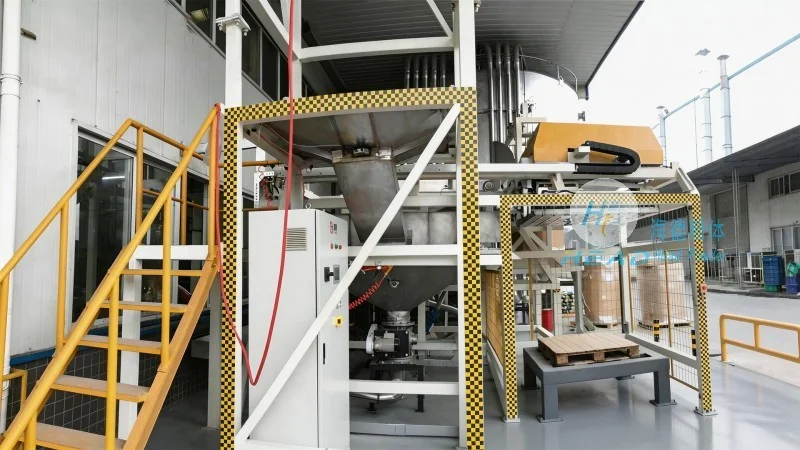
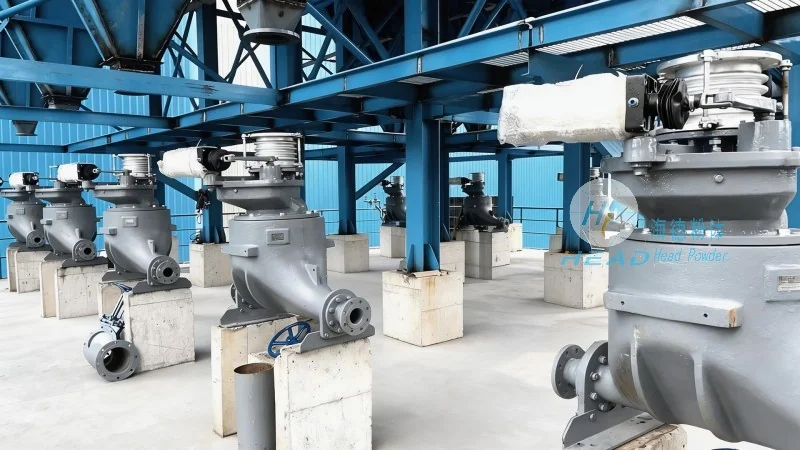
Pneumatic conveying is a widely adopted method for phenolic resin powder transportation due to its ability to handle fine powders without the need for mechanical components that might cause contamination or degradation. The system operates by using compressed air to create a flow that moves the powder through a pipeline. There are two main types: pressure and vacuum systems. Pressure systems are suitable for short-distance transport, while vacuum systems are ideal for longer distances or when materials need to be drawn from multiple sources. The choice between these depends on factors such as the distance between the source and destination, the volume of material to be moved, and the need for dust control. Pneumatic conveying is particularly effective for phenolic resin powders because it minimizes particle breakage and prevents the introduction of contaminants, which is critical for maintaining the powder's quality for subsequent processing steps.
2. Screw or Auger Conveyors
Screw conveyors, also known as auger conveyors, are another common method for transporting phenolic resin powder. These systems use a rotating helical screw to move material along a trough. Screw conveyors are particularly effective for horizontal or slightly inclined transport and are suitable for moderate to high volumes of material. They are often used in applications where the powder needs to be elevated or moved over short to medium distances. The design of the screw, including its pitch and diameter, is critical to ensure efficient flow without causing excessive wear or degradation of the powder. For phenolic resin powders, which can be abrasive, materials such as stainless steel or special alloys are used for the screw and trough to extend the equipment's lifespan. Screw conveyors are also relatively low-maintenance and can be integrated with other processing equipment, making them a popular choice in many industrial settings.
3. Pumping Systems
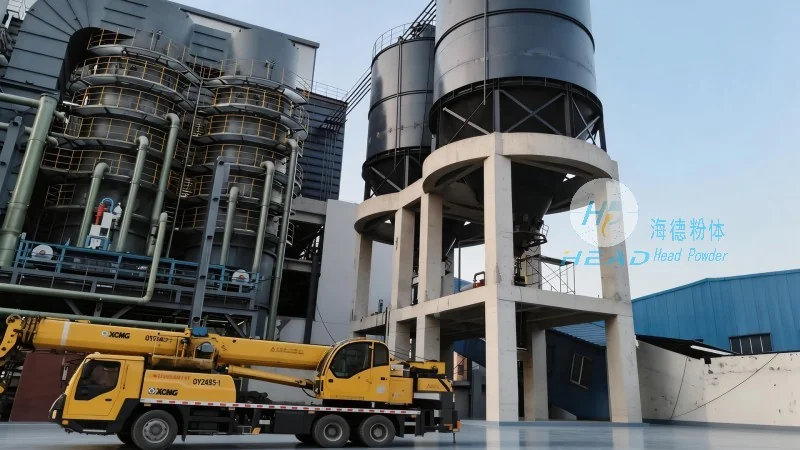
Pumping systems, including slurry pumps and positive displacement pumps, are used for transporting phenolic resin powder when it is mixed with a liquid to form a slurry. This method is particularly effective for long-distance transport or when the powder needs to be moved through pipelines that are not suitable for pneumatic conveying. The choice of pump depends on the viscosity of the slurry and the distance to be covered. Positive displacement pumps, such as gear pumps or diaphragm pumps, are ideal for handling viscous slurries and can maintain a consistent flow rate. Slurry pumps, on the other hand, are designed to handle abrasive materials and high-pressure conditions. For phenolic resin powders, the pump components are typically made of wear-resistant materials to minimize damage from the abrasive particles. Pumping systems allow for continuous and controlled transport of the powder, which is essential for maintaining production rates in large-scale operations.
4. Belt Conveyors
Belt conveyors are a traditional method for transporting bulk materials, including phenolic resin powder, over longer distances or in horizontal configurations. These systems consist of a continuous belt that moves over rollers, transporting the material from the source to the destination. Belt conveyors are suitable for high-volume applications and can handle a wide range of particle sizes. The key to effective operation is the proper selection of the belt material and the tensioning system. For phenolic resin powders, which can be prone to sticking or caking, the belt may be coated with a non-stick material or the system may include cleaning mechanisms to prevent material buildup. Belt conveyors are often used in conjunction with other equipment, such as hoppers and feeders, to ensure a smooth and continuous flow of material. They are particularly useful in applications where the powder needs to be transported to a processing plant or storage facility.
5. Combination Systems

In many industrial applications, a single transportation method may not be sufficient to meet all the requirements. Therefore, combination systems are often used, integrating multiple technologies to achieve optimal performance. For example, a pneumatic conveying system might be used to transport the phenolic resin powder from the storage silo to a mixing station, while a screw conveyor is used to move the mixed material to the processing equipment. This combination allows for efficient handling of the powder at different stages of the production process. The choice of combination system depends on factors such as the distance between stages, the volume of material, and the need for dust control. By integrating multiple methods, manufacturers can achieve higher efficiency, reduce downtime, and improve overall production quality.