

Common Methods of Magnetic Powder Conveying
When it comes to the efficient and reliable transportation of magnetic powders, various methods are employed in industrial settings. These methods are designed to handle the unique properties of magnetic powders, such as their susceptibility to magnetic fields and their often fine, powdery nature. Understanding the common approaches to magnetic powder conveying is crucial for selecting the most suitable system for specific applications. In this article, we will explore the primary methods used for magnetic powder conveying, with a focus on the expertise and solutions provided by Shandong HeadPowder Engineering Co., Ltd., a leading company in the field.
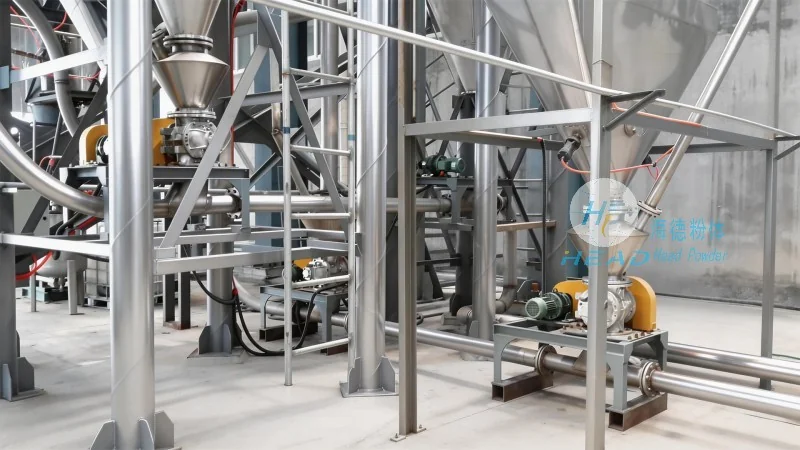
1. Gravity Conveying Systems
Gravity conveying is a straightforward and cost-effective method for transporting magnetic powders over short distances. This approach relies on the natural force of gravity to move the material from a higher elevation to a lower one. The system typically consists of inclined chutes or troughs that guide the magnetic powder downward. The design of gravity conveyors is simple, with minimal moving parts, which reduces maintenance requirements and operational costs. However, this method is limited by the distance and elevation change it can handle, making it suitable for applications where the powder needs to be moved only a few meters vertically or horizontally. Shandong HeadPowder Engineering Co., Ltd. has developed specialized gravity conveyor systems that optimize the flow of magnetic powders, ensuring smooth and consistent movement without the need for additional power sources.
2. Mechanical Conveying Equipment
For longer distances or more complex layouts, mechanical conveying equipment is often employed. This category includes several types of machinery that use mechanical forces to move magnetic powders. One common example is the screw conveyor, also known as an auger conveyor. Screw conveyors use a rotating screw to push the magnetic powder along a trough. This method is highly effective for handling dry, free-flowing magnetic powders and can operate in both horizontal and inclined configurations. Another popular option is the belt conveyor, which uses a continuous belt to transport the material. Belt conveyors are particularly useful for moving magnetic powders over longer horizontal distances or when multiple points of discharge are required. Shandong HeadPowder Engineering Co., Ltd. offers a range of mechanical conveying solutions, including custom-designed screw and belt conveyors, tailored to meet the specific needs of clients. These systems are engineered to handle the unique characteristics of magnetic powders, ensuring minimal product degradation and efficient operation.
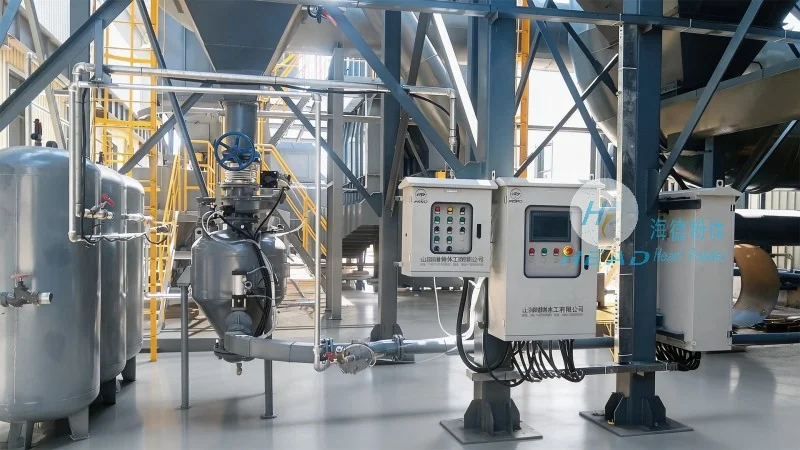
3. Magnetic Conveying Systems
Given the magnetic properties of the powders themselves, magnetic conveying systems utilize magnetic forces to facilitate transportation. These systems are particularly advantageous for applications where the magnetic powder needs to be moved in a controlled manner without the use of mechanical components that could cause wear or contamination. Magnetic conveyor belts or chutes are equipped with strong magnetic fields that attract and move the magnetic powder along the path. This method is ideal for handling fine powders that are prone to caking or sticking to conventional conveyors. Magnetic conveying also helps in maintaining the purity of the magnetic powder by preventing cross-contamination from other materials. Shandong HeadPowder Engineering Co., Ltd. specializes in magnetic conveying solutions, including custom magnetic conveyor systems that are designed to handle various types of magnetic powders. Their systems are built with high-quality magnetic materials and advanced control mechanisms to ensure consistent and reliable performance.
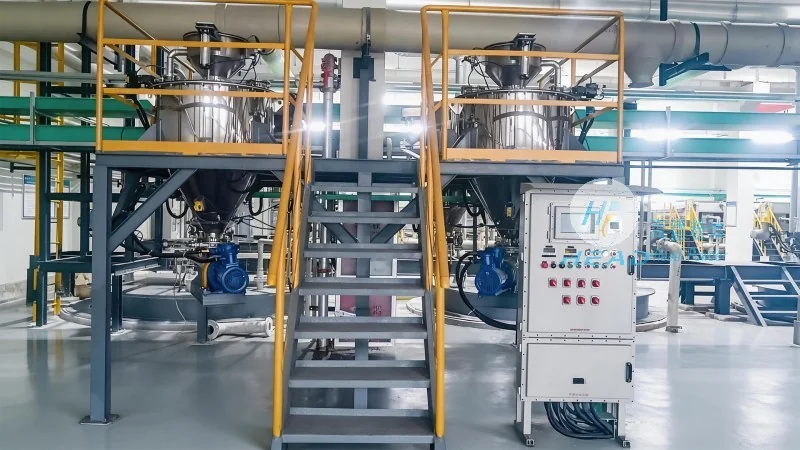
4. Pneumatic Conveying Methods
Pneumatic conveying uses air or other gases to transport magnetic powders through a pipeline system. This method is particularly effective for moving magnetic powders over longer distances or in environments where mechanical contact with the material is undesirable. There are two main types of pneumatic conveying: dilute phase and dense phase. Dilute phase systems use low-pressure air to create a suspension of the magnetic powder in the air, which is then transported through the pipeline. Dense phase systems, on the other hand, use higher pressure to push the powder in a more concentrated form, reducing the risk of particle degradation. Pneumatic conveying is versatile and can handle a wide range of magnetic powders, from fine to coarse. However, it requires proper system design to prevent particle separation and ensure efficient flow. Shandong HeadPowder Engineering Co., Ltd. provides advanced pneumatic conveying solutions, including custom-designed pipelines and control systems, to meet the specific requirements of their clients. These systems are engineered to maintain the quality of the magnetic powder while ensuring efficient and reliable transportation.
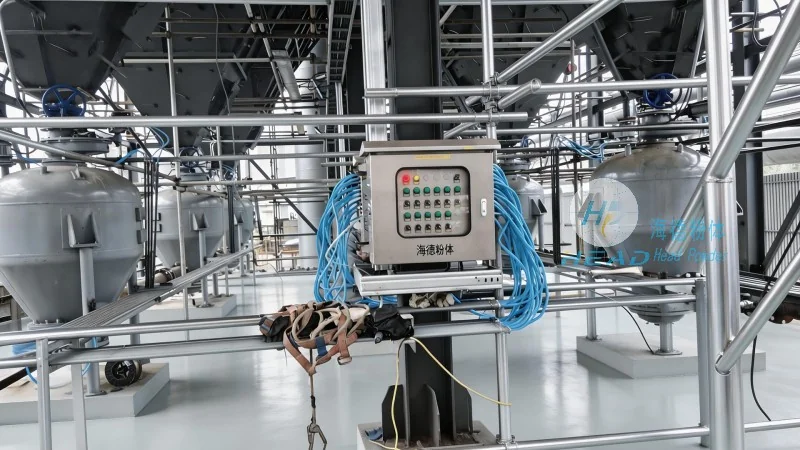
5. Hybrid Conveying Systems
In some cases, a combination of the above methods is used to create hybrid conveying systems. These systems are designed to leverage the advantages of multiple technologies to achieve optimal performance. For example, a hybrid system might use a gravity conveyor for the initial vertical movement and then switch to a mechanical conveyor for horizontal transport. Another hybrid approach could involve using magnetic conveying to move the powder through a pipeline, with pneumatic assistance to overcome any resistance. Hybrid systems are particularly useful in complex industrial settings where multiple processing steps are involved. Shandong HeadPowder Engineering Co., Ltd. specializes in designing and manufacturing hybrid conveying systems that integrate the best features of different technologies. Their expertise in system integration ensures that the hybrid solutions are efficient, reliable, and tailored to the specific needs of each client.
Conclusion
Choosing the right method for magnetic powder conveying is critical to the success of any industrial application. The methods discussed above—gravity, mechanical, magnetic, pneumatic, and hybrid—each offer unique advantages and are suitable for different scenarios. Shandong HeadPowder Engineering Co., Ltd. is a trusted partner in the industry, providing comprehensive solutions for magnetic powder conveying. With their expertise in designing and manufacturing specialized conveying systems, they help clients achieve efficient, reliable, and cost-effective transportation of magnetic powders. Whether you need a simple gravity conveyor or a complex hybrid system, Shandong HeadPowder Engineering Co., Ltd. has the knowledge and resources to deliver the right solution for your needs.