

Common Methods for Carbon Additive Powder Conveyance
Carbon additive powder, a critical material in various industrial applications such as steelmaking and foundry, requires efficient and reliable transport systems to ensure smooth production processes. The choice of conveyance method depends on factors like material properties, production scale, and operational environment. This article explores several common methods used for carbon additive powder conveyance, highlighting their characteristics and applications.
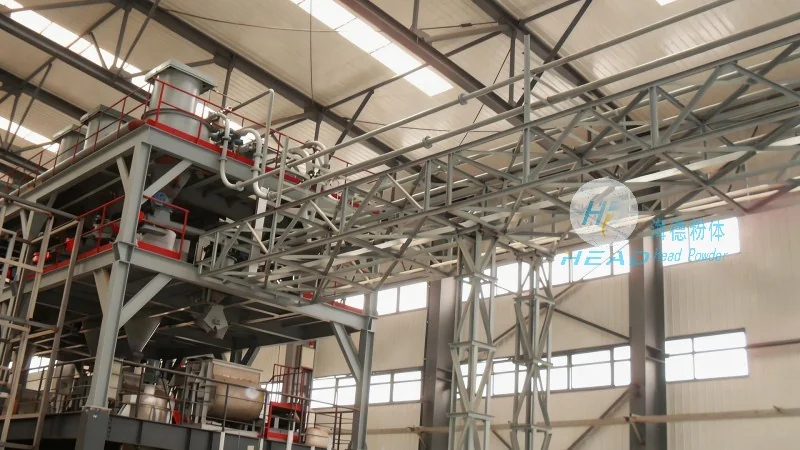
1. Pneumatic Conveying Systems
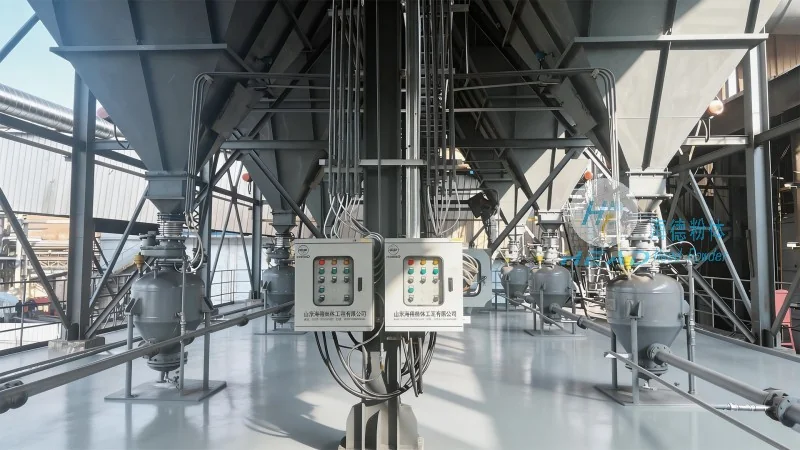
Pneumatic conveying, also known as air conveying, is a widely used method for transporting carbon additive powder due to its ability to handle fine powders and provide a closed system that minimizes dust exposure. This method utilizes compressed air to move the powder through a pipeline network. There are two main types: pressure and vacuum systems. Pressure systems push the powder with high-pressure air, while vacuum systems draw the powder using a vacuum source. Pneumatic conveying is particularly effective for long-distance transport and can handle high volumes of material. However, it requires careful design to prevent particle segregation and ensure consistent flow rates.
2. Screw Conveyors
Screw conveyors, or auger conveyors, are another common solution for carbon additive powder transport. These systems use a rotating screw (auger) to move the material along a U-shaped or tubular housing. Screw conveyors are suitable for horizontal or slight incline transport and can handle a wide range of powder types, including those with varying moisture content. They are relatively simple in design, easy to install, and can be integrated with other processing equipment. However, they may not be ideal for very fine powders or materials that tend to clog the screw. Proper maintenance and material selection are essential to ensure efficient operation.
3. Vibrating Conveyors
Vibrating conveyors utilize vibrations to move carbon additive powder through a trough or conveyor belt. The vibration is typically generated by an electric motor with an unbalanced weight, creating a sinusoidal motion that propels the material forward. This method is effective for handling bulk materials, including cohesive or sticky powders, as the vibration helps prevent material buildup and ensures uniform flow. Vibrating conveyors are often used in applications where gentle handling is required, such as transporting sensitive carbon additives. They are also suitable for inclined or vertical transport, making them versatile for different production setups. However, the design must consider the frequency and amplitude of vibration to avoid excessive wear on the conveyor components.

4. Belt Conveyors
Belt conveyors are a classic and widely adopted method for transporting carbon additive powder, especially in large-scale industrial operations. These systems consist of a continuous belt that moves over rollers or pulleys, carrying the powder from one point to another. Belt conveyors are capable of handling high volumes of material and can be configured for horizontal, inclined, or even vertical transport. They are particularly effective for transporting larger particles or bulk materials that may not be suitable for fine powders. The design of the belt, including its material and thickness, is crucial to prevent wear and tear from abrasive carbon additives. Additionally, proper tensioning and alignment of the conveyor system are essential to maintain smooth operation and prevent material spillage.
5. Hydraulic Conveying
Hydraulic conveying, also known as slurry transport, involves mixing carbon additive powder with a liquid (such as water or oil) to form a slurry, which is then pumped through pipelines. This method is particularly useful for transporting fine powders that are difficult to handle by other means. The slurry can be pumped over long distances with relatively low pressure, making it suitable for large-scale operations. However, hydraulic conveying requires additional equipment for slurry preparation and separation, such as a mixing tank and a centrifuge or filter for dewatering. The process also involves managing the liquid component, which may require recycling or disposal systems to ensure environmental compliance.
6. Selection Considerations for Conveyance Systems
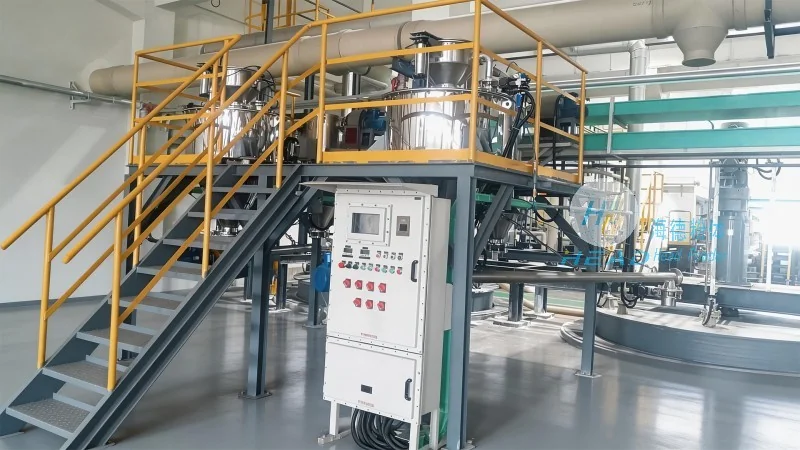
When selecting a conveyance system for carbon additive powder, several factors must be considered to ensure optimal performance and efficiency. First, the physical properties of the powder, such as particle size, density, and moisture content, play a significant role. For example, fine powders may require pneumatic or vibrating conveyors to prevent clogging, while larger particles might be better suited for belt conveyors. Second, the production scale and throughput requirements dictate the capacity of the system. Large-scale operations may benefit from multiple conveyors or high-capacity pneumatic systems, while small-scale applications might use simpler screw or vibrating conveyors. Third, the operational environment, including space constraints and dust control needs, influences the choice of system. Closed systems like pneumatic conveyors are preferred in environments where dust exposure is a concern. Finally, cost and maintenance considerations are critical. While some systems may have higher initial costs, they may offer long-term savings in terms of energy efficiency and reduced maintenance.
Conclusion
Choosing the right conveyance method for carbon additive powder is essential for maintaining production efficiency and ensuring product quality. Each method has its advantages and limitations, and the selection should be based on a thorough analysis of the material properties, production requirements, and operational environment. Companies like Shandong HeadPowder Engineering Co., Ltd., with expertise in carbon additive processing, can provide tailored solutions to meet specific industry needs. By understanding the characteristics of different conveyance systems, manufacturers can optimize their processes and enhance overall operational performance.