

[Rice Husk Ash Transportation Methods: Available Options]
Rice husk ash, a byproduct of rice processing, is increasingly recognized for its applications in construction, agriculture, and environmental remediation. Efficient transportation of this material is crucial for optimizing industrial processes and ensuring consistent quality. Various methods have been developed to handle the unique characteristics of rice husk ash, including its lightweight, abrasive nature and varying moisture content. Understanding the appropriate transportation methods is essential for industries seeking to integrate rice husk ash into their operations effectively.
Overview of Rice Husk Ash and Its Transportation Challenges
Rice husk ash, also known as rice husk ash (RHA), is produced from the combustion of rice husks, a common agricultural residue. It typically contains high levels of silica and other minerals, making it a valuable resource for applications such as lightweight aggregates, soil amendment, and as a component in cement and concrete production. However, the material's fine particle size, irregular shape, and potential for dust generation pose challenges during transportation. Traditional bulk material handling systems must be adapted to accommodate these characteristics to prevent material loss, equipment wear, and operational inefficiencies.
Common Transportation Methods for Rice Husk Ash
Several transportation methods are commonly employed in the handling of rice husk ash, each with its own advantages and suitability based on the scale of operation, distance, and material properties. The primary methods include pneumatic conveying, belt conveyor systems, and hopper-based transport, with each offering specific benefits for different industrial scenarios.
Pneumatic Conveying Systems
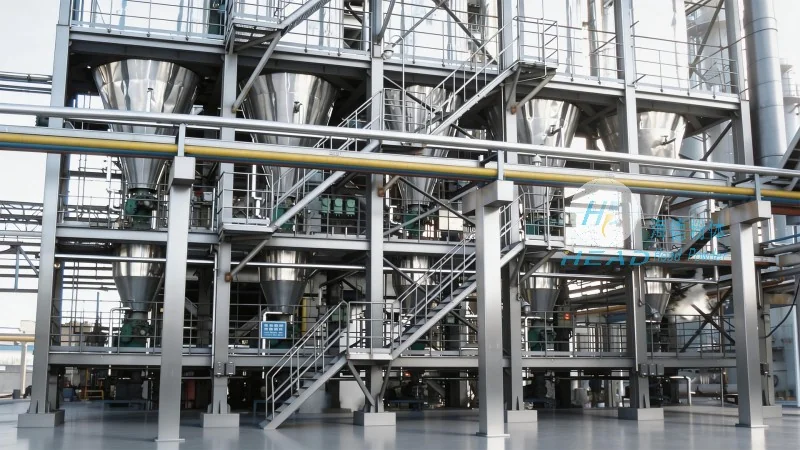
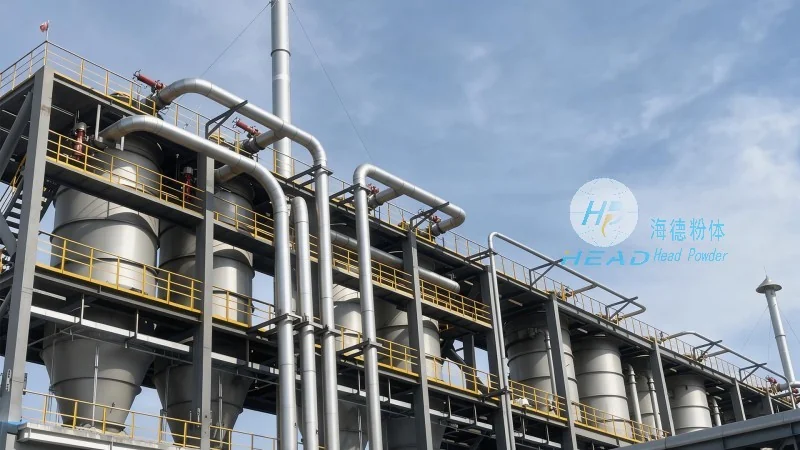
Pneumatic conveying, or air-based transport, is a widely used method for transporting rice husk ash, especially over moderate distances and within enclosed systems. This technology utilizes compressed air to move the material through a network of pipes, ensuring a dust-free and continuous flow. There are two main types of pneumatic conveying: positive displacement and pressure-assisted systems. Positive displacement systems, such as rotary lobe or rotary valve pumps, are ideal for handling fine, dry materials like rice husk ash, as they provide consistent pressure and flow rates. Pressure-assisted systems, on the other hand, rely on a combination of air pressure and gravity to move the material, often used for shorter distances or when the material has a higher moisture content. The choice between these systems depends on factors such as the distance to be covered, the volume of material to be transported, and the need for dust control. Pneumatic conveying offers advantages like minimal material degradation, low maintenance requirements for the conveying line, and the ability to integrate with existing processing equipment. However, it may require higher energy input compared to other methods and may not be suitable for very long distances or high-volume applications.
Belt Conveyor Systems
Belt conveyor systems are another common method for transporting rice husk ash, particularly in bulk handling operations where large volumes need to be moved over longer distances. These systems consist of a continuous belt that moves over rollers or pulleys, transporting the material from the source to the destination. Belt conveyors are highly efficient for handling dry, free-flowing materials like rice husk ash and can be customized to accommodate varying material loads and distances. They are often used in combination with other equipment, such as feeders and hoppers, to ensure a smooth and continuous flow. The primary advantages of belt conveyors include their ability to transport large quantities of material at high speeds, low operational costs per tonne, and minimal material degradation. However, they require regular maintenance to prevent belt wear and tear, and may not be suitable for very fine or abrasive materials that could cause excessive friction and damage to the belt. Additionally, belt conveyors are typically limited to horizontal or slightly inclined transport, making them less suitable for vertical or steep incline applications.
Hopper and Truck Transport
For shorter distances or when transporting rice husk ash to off-site locations, hopper trucks or bulk transport vehicles are commonly used. These vehicles are equipped with large hoppers that can hold significant volumes of rice husk ash, allowing for efficient loading and unloading. The material is typically loaded into the hopper using a conveyor system or a loading chute, and then transported to the destination. Once at the site, the material is discharged using a discharge chute or a conveyor system. This method is particularly useful for transporting rice husk ash to construction sites, agricultural fields, or other end-use locations. The primary advantages of hopper and truck transport include flexibility in terms of distance and destination, and the ability to handle large volumes of material in a single trip. However, this method may be less efficient for long-distance transport due to fuel costs and the need for multiple trips. Additionally, it requires careful handling to prevent dust generation and material spillage during loading and unloading.
Specialized Equipment for Rice Husk Ash Handling
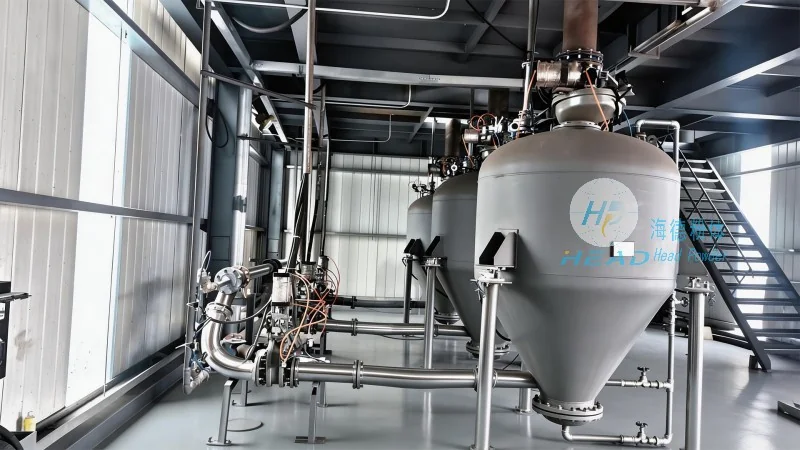
Given the unique properties of rice husk ash, specialized equipment is often employed to ensure efficient and safe transportation. For example, some systems use flexible hoses or flexible conveyor belts to accommodate the material's fine particle size and prevent blockages. Others employ dust suppression systems, such as water sprays or bag filters, to minimize dust emissions during transport. Additionally, some manufacturers offer customized solutions, such as enclosed conveyor systems or vacuum transport units, tailored to the specific needs of rice husk ash producers and users. These specialized solutions help to address the challenges associated with rice husk ash transportation, ensuring that the material is handled safely and efficiently.
Factors to Consider When Choosing a Transportation Method
When selecting a transportation method for rice husk ash, several factors must be considered to ensure optimal performance and cost-effectiveness. The first factor is the distance and scale of the operation. For short distances and small volumes, hopper truck transport may be sufficient, while for longer distances and large volumes, pneumatic or belt conveyor systems are more appropriate. The second factor is the material properties, including particle size, moisture content, and abrasiveness. These properties will influence the choice of equipment, such as the type of conveyor belt or the design of the pneumatic system. The third factor is the need for dust control and environmental compliance. Some methods, such as pneumatic conveying with enclosed systems, may be required to meet environmental regulations and prevent dust emissions. The fourth factor is the cost of operation and maintenance. Different methods have varying energy consumption, equipment costs, and maintenance requirements, which must be weighed against the operational needs of the industry.
Conclusion
Efficient transportation of rice husk ash is essential for maximizing its value and integrating it into various industrial applications. By understanding the different transportation methods available and considering the specific needs of the operation, industries can select the most appropriate system for their requirements. Whether using pneumatic conveying, belt conveyors, or hopper trucks, each method offers unique advantages and limitations. The key is to balance these factors to ensure safe, efficient, and cost-effective handling of rice husk ash. As the demand for rice husk ash continues to grow, the development of specialized transportation systems will play a crucial role in meeting the needs of industries that rely on this valuable byproduct.