

Common Ferric Sulfate Transportation Methods Comparison
Ferric sulfate, a critical chemical widely utilized in water treatment, wastewater purification, and industrial processes, demands efficient and reliable transportation to meet the diverse needs of its applications. The selection of a transportation method significantly impacts operational efficiency, cost-effectiveness, and safety. This article provides a detailed comparison of common ferric sulfate transportation methods, highlighting their advantages, disadvantages, and suitable applications.
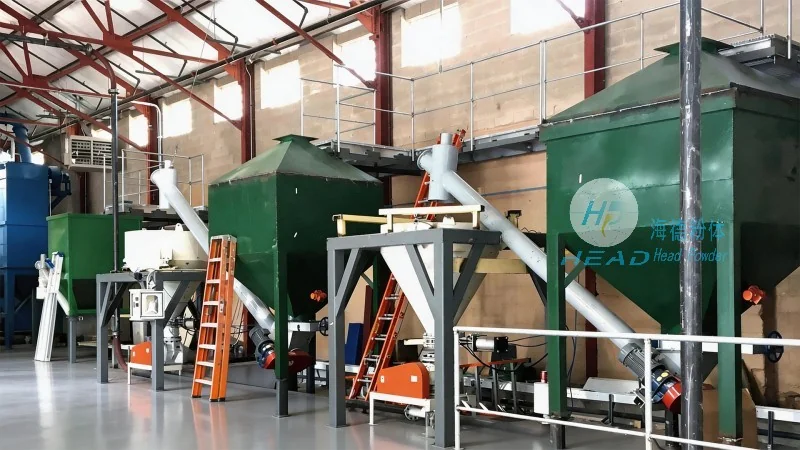
1. Pumping Systems for Ferric Sulfate
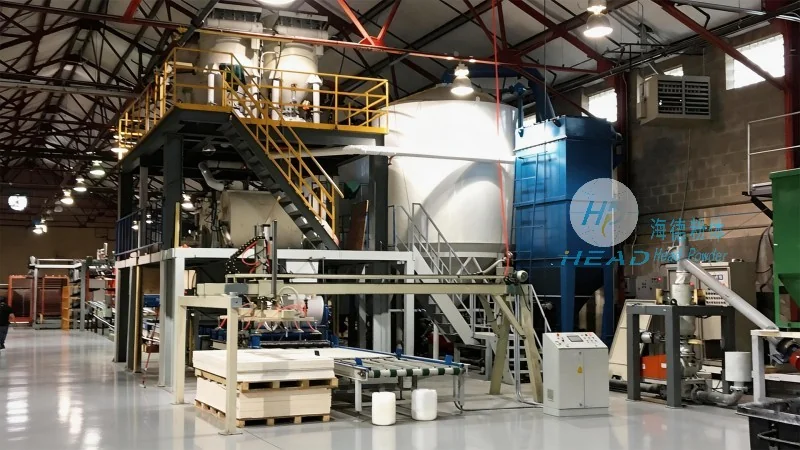
One of the most prevalent methods for transporting ferric sulfate is through pumping systems. These systems typically employ centrifugal or positive displacement pumps, depending on the viscosity and flow rate requirements. The pumping method is highly efficient for continuous and large-scale operations, enabling seamless integration into existing industrial pipelines. HeadPowder, a leading manufacturer in chemical processing equipment, offers specialized pumping solutions tailored to handle ferric sulfate's properties, ensuring optimal performance and minimal maintenance. The use of corrosion-resistant materials, such as stainless steel or specialized alloys, is essential to prevent degradation from the acidic nature of ferric sulfate. This method is particularly suitable for long-distance pipeline transportation within industrial facilities, providing consistent flow rates and pressure control.
2. Pipeline Transportation
Pipeline transportation is another widely adopted method, especially for bulk quantities of ferric sulfate. This approach involves constructing dedicated pipelines that connect production facilities to treatment plants or storage sites. The pipeline system offers several advantages, including reduced transportation time, lower labor costs, and enhanced safety compared to other methods. However, the initial investment for pipeline construction can be substantial, making it more suitable for large-scale operations with high-volume demand. HeadPowder's expertise in pipeline design and installation ensures that the infrastructure is built to withstand the corrosive properties of ferric sulfate, minimizing the risk of leaks or system failures. The use of insulated pipelines in colder climates helps maintain the chemical's stability, preventing crystallization or solidification that could obstruct the flow.
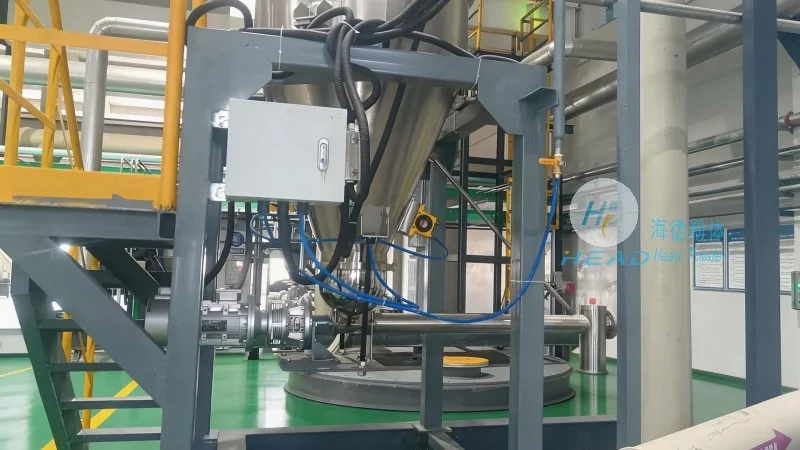
3. Tank Truck Transportation
For the transportation of ferric sulfate in bulk quantities over longer distances, tank trucks are a common choice. These vehicles are equipped with specialized tanks designed to handle corrosive chemicals, often made from stainless steel or lined with protective coatings. The tank truck method is flexible and can reach remote locations, making it ideal for applications where pipeline infrastructure is not available or feasible. However, it requires careful handling to prevent spills or leaks, as the chemical is viscous and can be hazardous if not managed properly. HeadPowder emphasizes the importance of proper loading and unloading procedures, including the use of compatible valves and pumps to avoid contamination or equipment damage. The tank truck method is particularly useful for supplying ferric sulfate to smaller treatment plants or remote industrial sites, providing a reliable and cost-effective solution for intermittent or seasonal demand.
4. Comparison of Transportation Methods
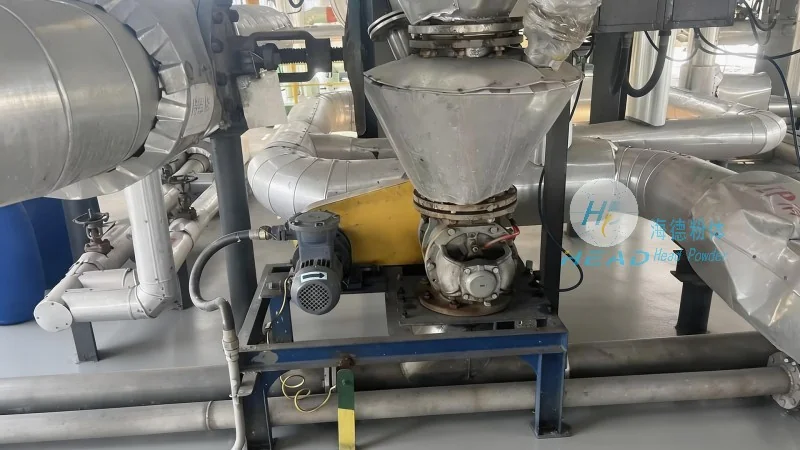
When selecting a transportation method for ferric sulfate, several factors must be considered, including the scale of operation, distance, cost, and safety requirements. Pumping systems and pipelines are generally more suitable for continuous, high-volume operations within industrial complexes, offering higher efficiency and lower long-term costs. In contrast, tank truck transportation is more flexible and cost-effective for smaller or intermittent needs, especially in areas without established pipeline infrastructure. The choice also depends on the chemical's properties, such as viscosity and corrosiveness, which influence the type of equipment required. HeadPowder's comprehensive understanding of these factors enables them to recommend the most appropriate transportation solution for each client's specific needs, ensuring optimal performance and compliance with industry standards.