

Common Coke Powder Conveying Methods: A Comparison of Advantages and Disadvantages
Efficient and reliable coke powder conveying is crucial in industrial processes, particularly in steel and chemical manufacturing. The choice of conveying method significantly impacts operational efficiency, cost, and safety. This article provides a detailed comparison of common coke powder conveying methods, highlighting their advantages and disadvantages to help industrial operators make informed decisions.
1. Pneumatic Conveying Systems
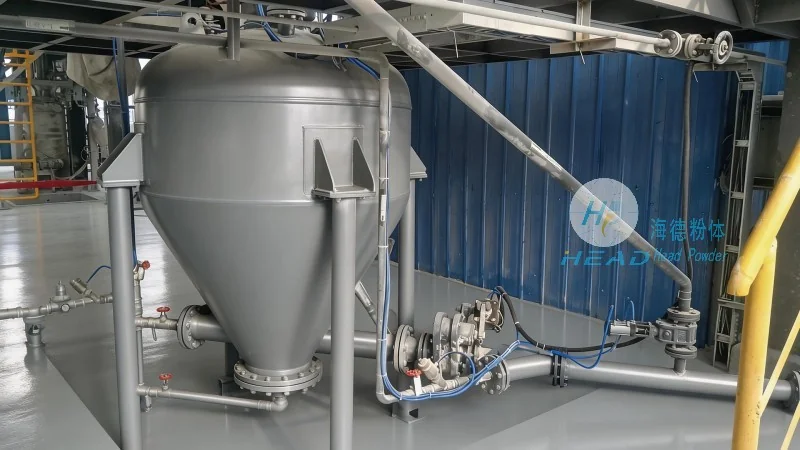
Pneumatic conveying, also known as air conveying, is a widely used method for transporting coke powder due to its ability to handle fine powders and long distances. This system uses compressed air to move the powder through a pipeline. The primary advantage of pneumatic conveying is its flexibility in handling various particle sizes and moisture content, making it suitable for both dry and slightly moist coke powder. It also allows for enclosed transport, reducing dust emissions and improving workplace safety. However, pneumatic systems require significant energy input for air compression, leading to higher operational costs. Additionally, they may experience blockages if the powder is too fine or has high moisture content, which can cause system downtime and maintenance issues.
2. Screw Conveyors
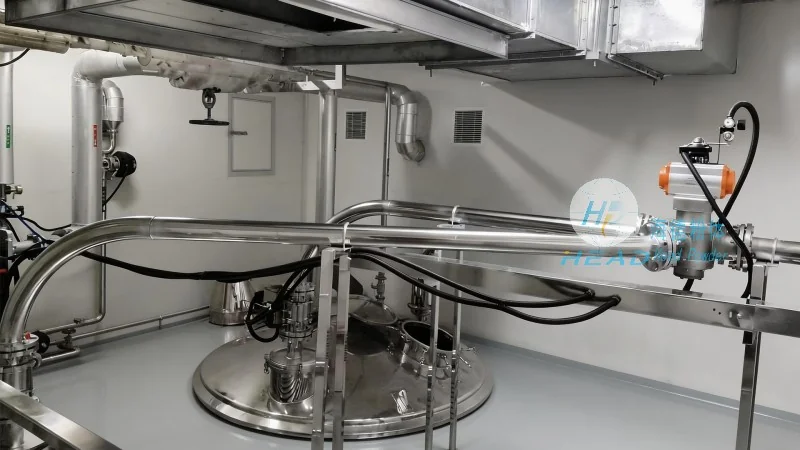
Screw conveyors, or auger conveyors, are another common method for coke powder transport. These systems use a rotating screw (auger) inside a trough to move the material forward. Screw conveyors are particularly effective for handling dry, free-flowing coke powder and are often used in vertical or inclined applications. One of the key advantages is their simplicity and low maintenance requirements. They are also relatively inexpensive to install and operate compared to pneumatic systems. However, screw conveyors have limitations in handling very fine or cohesive powders, as these can cause the screw to jam or the conveyor to clog. Moreover, they are less suitable for long-distance transport due to the increased friction and wear on the screw and trough.
3. Belt Conveyors
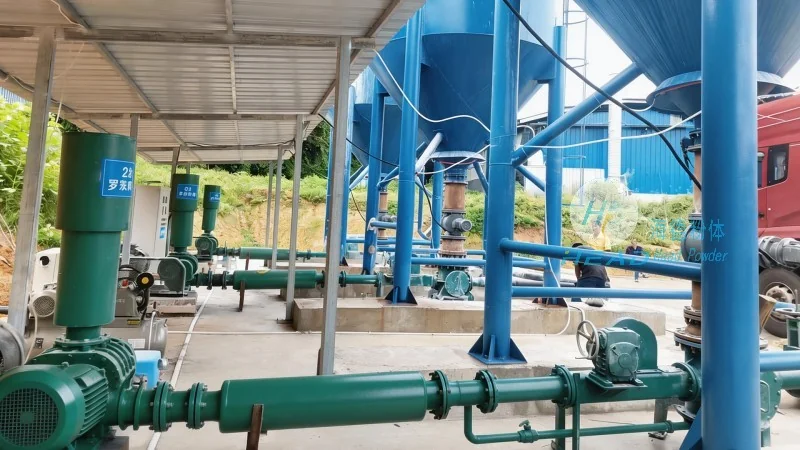
Belt conveyors are widely used in bulk material handling, including coke powder, due to their high capacity and ability to transport materials over long distances. These systems consist of a continuous belt that moves over rollers or pulleys, carrying the coke powder from one point to another. The main advantage of belt conveyors is their high throughput and efficiency for large-scale operations. They are also relatively simple to operate and maintain, with minimal downtime. However, belt conveyors are not suitable for fine powders that may cause dust and require dust control measures. Additionally, they are susceptible to belt slip or damage if the coke powder is too abrasive or has high moisture content, leading to increased maintenance costs and potential operational disruptions.
4. Comparison and Selection Criteria
When selecting a coke powder conveying method, several factors must be considered, including the material properties (particle size, moisture content, density), the required conveying distance, operational costs, and safety requirements. Pneumatic conveying is ideal for fine powders and enclosed transport but has higher energy costs. Screw conveyors are suitable for dry, free-flowing powders and vertical transport but have limitations with fine or cohesive materials. Belt conveyors excel in long-distance and high-capacity transport but require dust control and may suffer from belt wear. Industrial operators should evaluate these factors to choose the most appropriate conveying method for their specific needs.
Conclusion
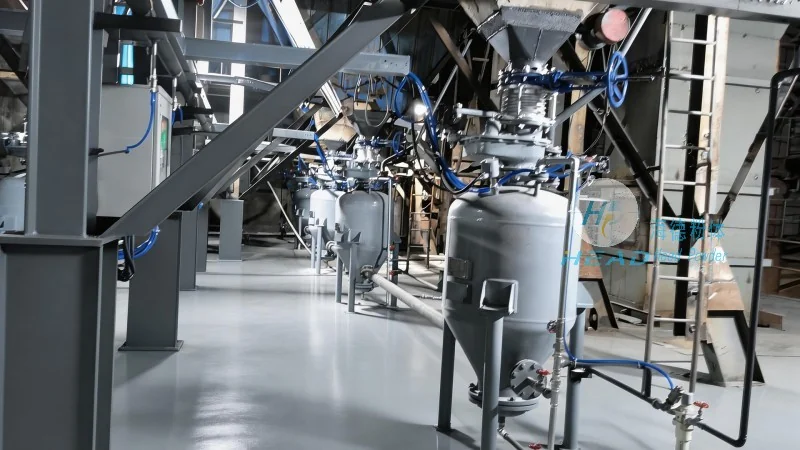
Choosing the right coke powder conveying method is critical for optimizing industrial processes. Each method has its unique advantages and disadvantages, and the selection should be based on the specific requirements of the application. By understanding the characteristics of different conveying systems, operators can enhance operational efficiency, reduce costs, and ensure workplace safety. Shandong HeadPowder Engineering Co., Ltd., a leading provider in the field, offers expert solutions and equipment tailored to meet the diverse needs of coke powder handling in various industries.