

Common Molybdenum Oxide Conveying Methods: A Comparison of Advantages and Disadvantages
Molybdenum oxide, a vital industrial material, necessitates efficient and reliable conveying methods for diverse applications. The choice of conveying system profoundly impacts operational efficiency, cost, and safety. This article offers a detailed comparison of common molybdenum oxide conveying methods, focusing on their advantages and disadvantages. The insights are provided by Shandong HeadPowder Engineering Co., Ltd., a leading entity in the field.
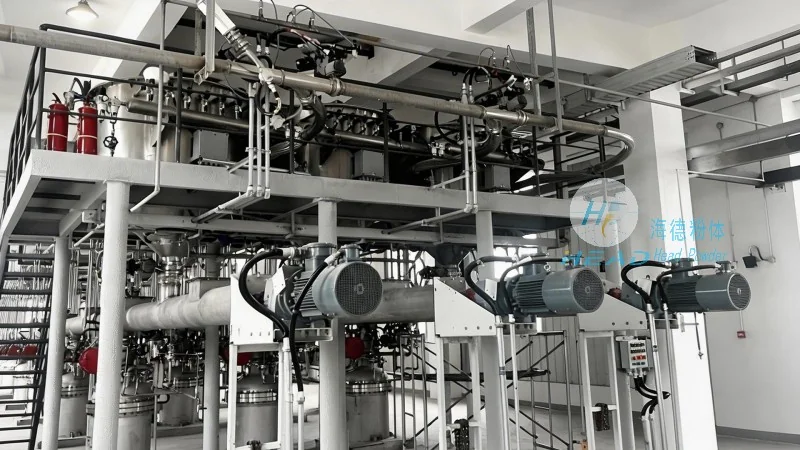
Pipeline Conveying for Molybdenum Oxide
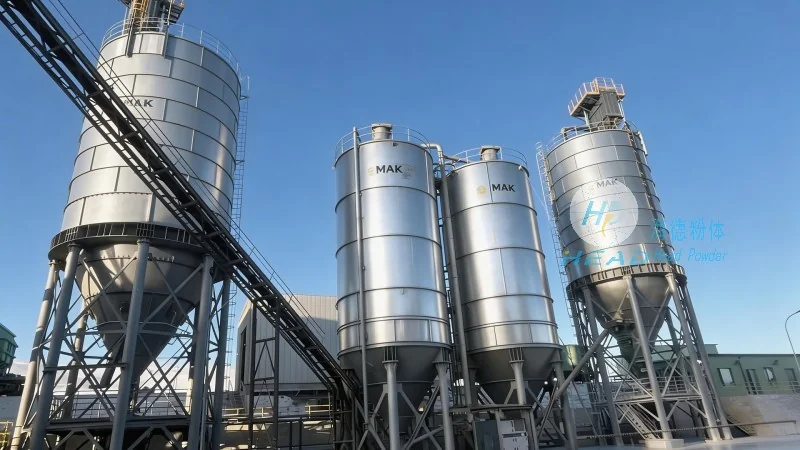
Pipeline conveying, also known as pneumatic or hydraulic pipeline transport, is a widely adopted method for transporting molybdenum oxide. This approach involves moving the material through a closed pipeline system using air or water pressure. The process is generally automated, enabling continuous operation and high throughput. One of the primary advantages of pipeline conveying is its capability to transport molybdenum oxide over long distances with minimal human intervention. It also reduces the risk of dust exposure and environmental contamination compared to open-air methods. However, pipeline conveying has several drawbacks. The initial investment for pipeline infrastructure can be substantial, including the cost of pipes, valves, and control systems. Maintenance requirements are also higher due to the need for regular cleaning and inspection of the pipeline to prevent blockages or corrosion. Additionally, the system may be less flexible in terms of changing the route or adjusting the flow rate without significant modifications.
Pneumatic Conveying Systems for Molybdenum Oxide
Pneumatic conveying utilizes air or other gases to transport molybdenum oxide particles through a pipeline. This method is particularly suitable for fine or powdery molybdenum oxide, as it can handle materials with a wide range of particle sizes. The system typically consists of a hopper, a blower, and a pipeline with appropriate fittings. The advantages of pneumatic conveying include high flexibility in terms of route changes and the ability to transport materials from multiple sources to a central location. It also allows for the integration of other processes, such as mixing or drying, within the conveying system. However, pneumatic conveying has its limitations. The energy consumption is relatively high compared to other methods, as the blower must generate sufficient pressure to move the material. This can increase operational costs, especially for large-scale operations. Furthermore, the system may be prone to material degradation if the air velocity is too high, leading to particle attrition or agglomeration. Proper design and maintenance are essential to mitigate these issues and ensure efficient operation.
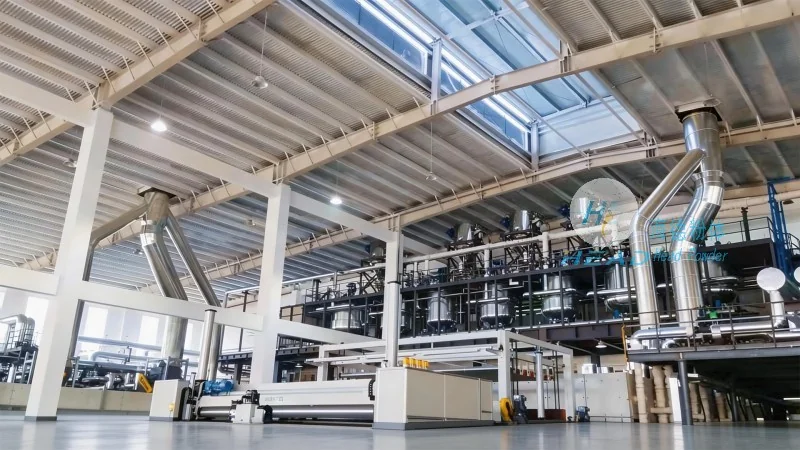
Screw Conveying for Molybdenum Oxide Handling
Screw conveying, also known as auger conveying, uses a rotating screw to move molybdenum oxide through a trough or tube. This method is commonly used for bulk materials and is particularly effective for transporting molybdenum oxide in a closed system. The advantages of screw conveying include its simplicity and low initial cost compared to pneumatic or pipeline systems. It is also relatively easy to install and maintain, with fewer moving parts and less complex control systems. Screw conveyors can handle a wide range of material densities and flow rates, making them versatile for various applications. However, screw conveying has some disadvantages. The material may experience friction and wear on the screw and trough, especially for abrasive molybdenum oxide. This can lead to increased maintenance costs and potential material degradation over time. Additionally, the system may not be suitable for very fine or cohesive molybdenum oxide, as the material may stick to the screw or trough, causing blockages. Proper material selection and regular cleaning are necessary to prevent these issues.
Gravity Conveying Methods for Molybdenum Oxide
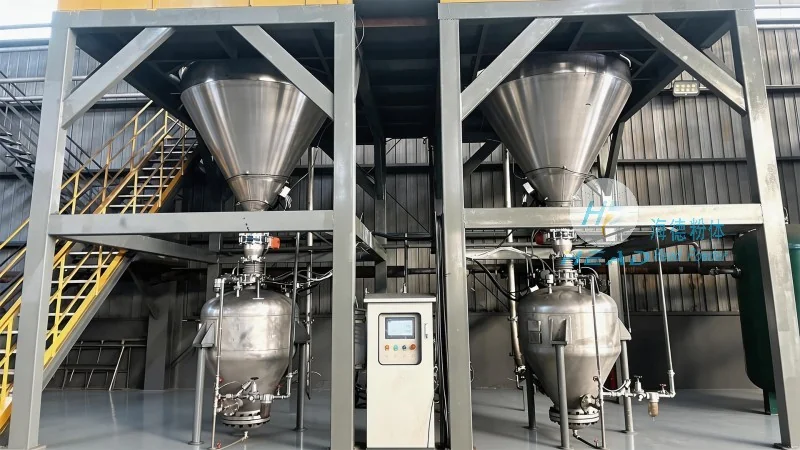
Gravity conveying relies on the natural force of gravity to move molybdenum oxide from a higher to a lower elevation. This method is often used in conjunction with other conveying systems, such as screw or belt conveyors, to reduce the overall energy consumption. The advantages of gravity conveying include low energy requirements and minimal maintenance, as it does not require any moving parts or external power sources. It is also suitable for transporting molybdenum oxide over short distances where the elevation difference is sufficient. However, gravity conveying has significant limitations. The method is only effective when the material can be moved downhill, and the distance and elevation difference must be appropriate. It is not suitable for long horizontal distances or when the material needs to be lifted. Additionally, the system may be affected by material properties, such as cohesion or moisture content, which can cause the material to stick or bridge, leading to blockages. Proper design and material handling practices are essential to ensure smooth operation.
Conclusion: Choosing the Right Molybdenum Oxide Conveying Method
Selecting the appropriate molybdenum oxide conveying method requires careful consideration of several factors, including the material properties, application requirements, and operational constraints. Pipeline conveying is ideal for long-distance, high-throughput applications with minimal material handling. Pneumatic conveying offers flexibility and integration capabilities but at a higher energy cost. Screw conveying provides simplicity and versatility but may require more maintenance for abrasive materials. Gravity conveying is cost-effective for short distances but limited by elevation and material characteristics. Shandong HeadPowder Engineering Co., Ltd. recommends evaluating these factors and conducting thorough testing to determine the most suitable conveying system for specific molybdenum oxide applications. By understanding the advantages and disadvantages of each method, industries can optimize their operations, reduce costs, and enhance safety in the handling of molybdenum oxide.