

Common Tailings and Sludge Transportation Methods: A Comparison of Advantages and Disadvantages
Tailings and sludge are byproducts of various industrial processes, such as mining, chemical production, and wastewater treatment. Efficient and reliable transportation of these materials is crucial for maintaining operational efficiency and environmental compliance. Different transportation methods are employed based on factors like material properties, distance, and site conditions. This article provides a detailed comparison of common tailings and sludge transportation methods, highlighting their advantages and disadvantages. The information is presented by Shandong HeadPowder Engineering Co., Ltd., a leading provider of engineering solutions for material handling and environmental management, with operations based in Shandong, China.
Pipeline Transportation
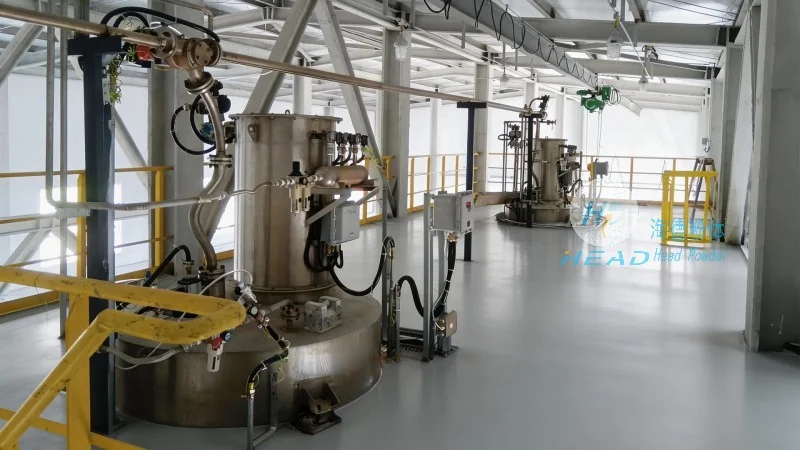
Pipeline transportation is a widely used method for moving tailings and sludge over long distances. It involves pumping the material through a series of pipes, often using slurry pumps or high-pressure pumps. This method is particularly effective for transporting viscous or abrasive materials. The advantages of pipeline transportation include high capacity, continuous operation, and minimal labor requirements. However, it has several drawbacks, such as high initial investment costs, the need for regular maintenance of pumps and pipelines, and potential environmental risks if the pipeline fails. Additionally, pipeline systems may be susceptible to clogging, especially with high-density slurries, which can lead to operational disruptions.
Belt Conveyor Transportation
Belt conveyors are another common method for transporting tailings and sludge, especially over shorter distances or in open-pit mining operations. This system consists of a moving belt that carries the material from the source to the destination. Belt conveyors are known for their simplicity and low maintenance costs. They are particularly suitable for transporting dry or semi-dry materials. The advantages of belt conveyors include low energy consumption, ability to handle large volumes, and minimal noise pollution. However, they have limitations when dealing with highly abrasive or sticky materials, as this can cause wear and tear on the belt and idlers. Furthermore, belt conveyors are not suitable for vertical or steep inclines, and they require regular cleaning to prevent material buildup.
Pump and Dredge Transportation
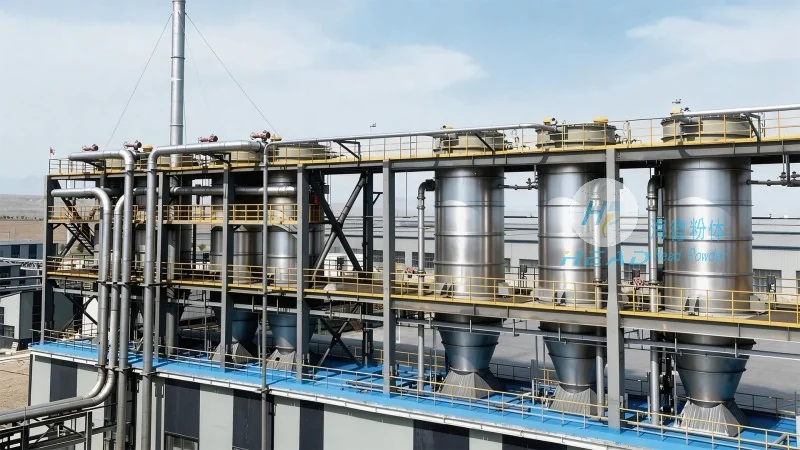
Pump and dredge systems are used for transporting tailings and sludge in water bodies or wet environments. This method involves using pumps to move the material through hoses or pipelines, often combined with dredging equipment to extract the material from the source. Pump and dredge systems are advantageous for transporting materials in water, such as riverbeds or lakes, and are effective for long-distance horizontal or vertical movement. The benefits include the ability to navigate through water obstacles and the flexibility to transport materials in various conditions. However, the disadvantages include the need for continuous water supply, potential for water contamination if the material is not properly contained, and higher operational costs due to the energy required for pumping. Additionally, pump and dredge systems may be affected by water flow and depth, which can impact their efficiency.
Hydraulic Ram and Trough Systems
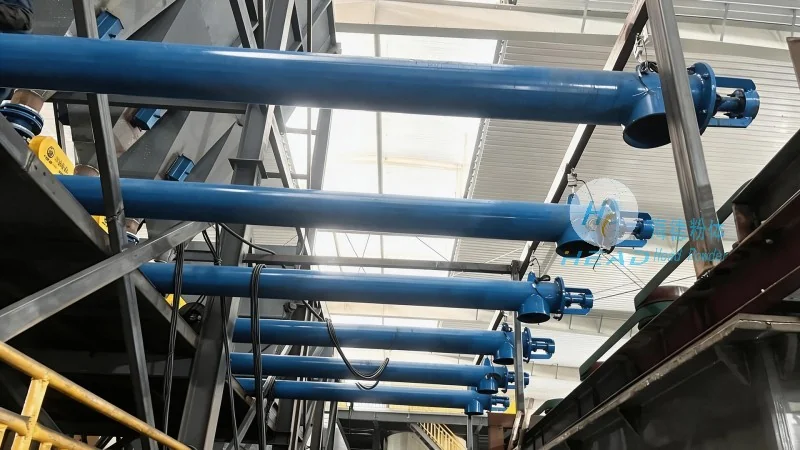
Hydraulic ram and trough systems are specialized methods for transporting tailings and sludge, especially in confined spaces or for vertical lifting. These systems use hydraulic power to move the material through a trough or channel. The advantages of hydraulic ram systems include their ability to handle vertical lifts with minimal energy, compact design, and suitability for transporting fine-grained materials. However, they have limitations in terms of capacity, as they are generally used for smaller volumes, and require precise control to avoid material segregation or clogging. Additionally, the maintenance of hydraulic components can be complex and costly.
Truck and Hopper Transportation
Truck and hopper transportation is a flexible method for moving tailings and sludge over shorter distances, often used in conjunction with other systems. This method involves loading the material into hoppers or trucks and transporting it to the disposal or processing site. The advantages of truck and hopper systems include flexibility in route selection, ability to access remote locations, and lower initial investment compared to fixed infrastructure. However, they have drawbacks such as higher operational costs due to fuel consumption and labor, potential for dust or spillage during loading and unloading, and limitations in handling large volumes efficiently.
Conclusion and Recommendations
Choosing the appropriate tailings and sludge transportation method depends on a variety of factors, including the nature of the material, distance to be covered, site conditions, and budget constraints. Pipeline transportation is ideal for long-distance, high-volume transport of viscous materials, while belt conveyors are suitable for shorter distances and dry materials. Pump and dredge systems are effective for water-based transport, and hydraulic ram systems are useful for vertical lifting in confined areas. Truck and hopper systems offer flexibility for shorter distances but may not be cost-effective for large-scale operations. Shandong HeadPowder Engineering Co., Ltd. provides comprehensive engineering solutions and expertise to help clients select and implement the most suitable transportation method for their specific needs, ensuring efficiency, reliability, and environmental compliance.