

Comparison of Common Battery Anode Material Handling Methods: Advantages and Disadvantages
When it comes to the production of lithium-ion batteries, the efficient and reliable handling of anode materials is a critical factor that directly impacts overall manufacturing efficiency and product quality. Among the various methods used for transporting battery anode materials, several options have become standard in the industry. This article provides a detailed comparison of common battery anode material handling methods, focusing on their advantages and disadvantages, to help manufacturers make informed decisions.
Introduction to Battery Anode Material Handling
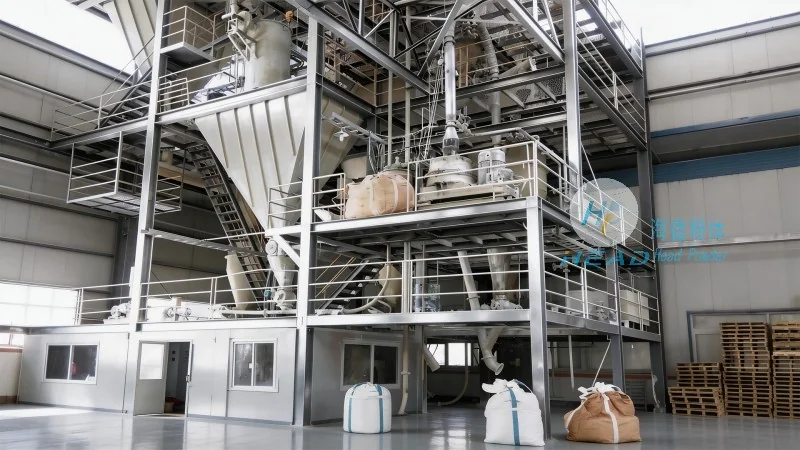
Battery anode materials, such as graphite, silicon, and other carbon-based compounds, are essential components in the battery manufacturing process. These materials need to be transported from storage to processing equipment with precision and minimal loss. The choice of handling method depends on factors like material properties, production scale, and environmental requirements. Understanding the pros and cons of each method is crucial for optimizing the battery production line.
1. Pneumatic Conveying Systems
Pneumatic conveying, also known as air-based transport, is a widely used method for handling fine and powdery anode materials. This system uses compressed air to move materials through a network of pipes. The primary advantage of pneumatic conveying is its ability to transport materials over long distances without the need for mechanical components like belts or screws. It also offers a high degree of cleanliness and can be integrated with dust collection systems, reducing environmental impact. However, pneumatic conveying has some drawbacks. It requires significant energy input due to the need for compressed air, and the system can be prone to blockages if the material is too fine or has high moisture content. Additionally, the initial investment and maintenance costs for pneumatic systems are relatively high compared to other methods.
2. Screw Conveyors
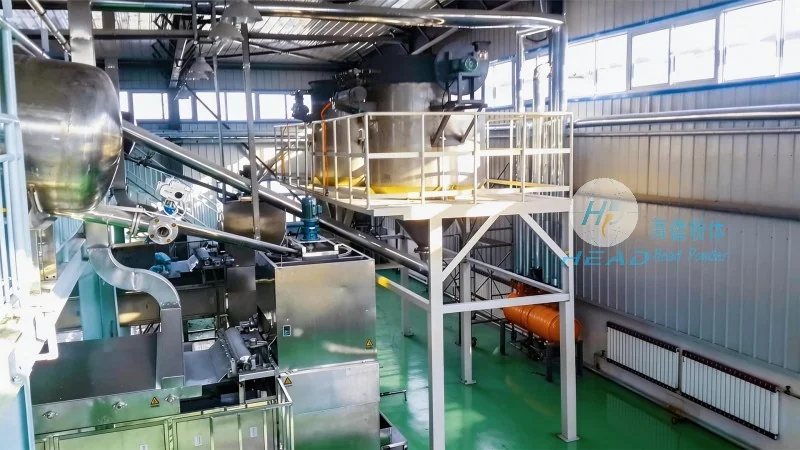
Screw conveyors, or auger conveyors, are another common solution for transporting anode materials. These devices use a rotating screw to move materials along a tube or trough. Screw conveyors are particularly effective for handling bulk materials and can be easily integrated into existing production lines. One of the main advantages is their simplicity and low maintenance requirements. They are also capable of handling a wide range of material types, including those with high moisture content or sticky properties. However, screw conveyors have limitations. They are not suitable for very fine powders, as the material can easily clog the screw. Additionally, the system can generate heat due to friction, which may affect the material's properties, especially for temperature-sensitive anode materials. The space required for installation is also a consideration, as screw conveyors can be bulky.
3. Belt Conveyors
Belt conveyors are widely used in material handling across various industries, including battery manufacturing. These systems use a continuous belt to transport materials from one point to another. Belt conveyors are known for their high capacity and ability to handle large volumes of anode materials efficiently. They are also relatively simple to operate and maintain. The main advantage is their ability to transport materials over long distances with minimal energy consumption compared to other methods. However, belt conveyors have some disadvantages. They are not suitable for fine powders, as the material can fall through the belt gaps, leading to loss and contamination. The system also requires regular maintenance to ensure the belt remains in good condition and to prevent wear and tear. Additionally, belt conveyors can be affected by material buildup, which may cause operational issues if not properly managed.
4. Vibrating Conveyors
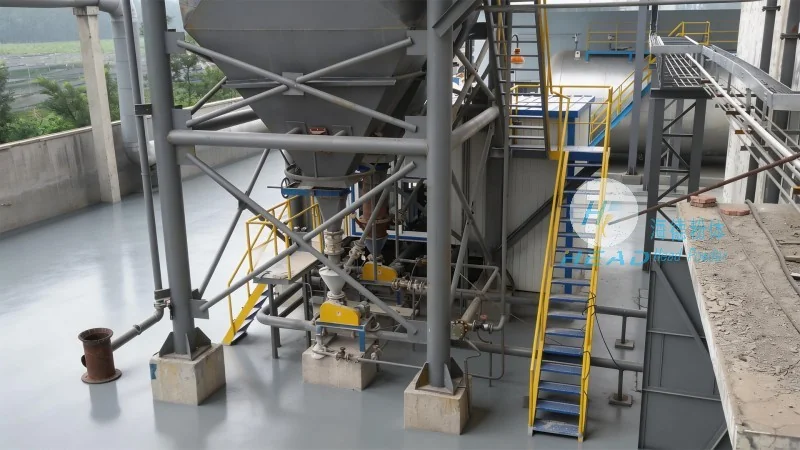
Vibrating conveyors use vibration to move materials along a trough. This method is particularly effective for handling materials with high moisture content or those that are prone to clumping. The advantage of vibrating conveyors is their ability to handle sticky or cohesive materials without the need for additional additives or equipment. They are also relatively low maintenance and can be easily cleaned. However, vibrating conveyors have limitations. They are not suitable for very fine powders, as the vibration can cause the material to become airborne and lead to dust issues. The system also requires a stable foundation to prevent vibration-related problems. Additionally, the speed of material transport is generally lower compared to other methods, which may affect production throughput.
5. Comparison and Recommendations
When selecting a battery anode material handling method, manufacturers must consider several factors, including material properties, production scale, and cost. Pneumatic conveying is ideal for fine powders and long-distance transport but requires high energy input. Screw conveyors are suitable for bulk materials and have low maintenance costs but can clog with fine powders. Belt conveyors offer high capacity and efficiency for large volumes but are not suitable for fine powders. Vibrating conveyors are effective for sticky or moist materials but have lower throughput. For most battery manufacturers, a combination of these methods may be used to optimize the handling process. For example, pneumatic conveying can be used for fine graphite powders, while screw conveyors can handle larger graphite flakes. The choice ultimately depends on the specific requirements of the production line and the characteristics of the anode material.
HeadPowder: Your Partner in Battery Material Handling Solutions
Shandong HeadPowder Engineering Co., Ltd., commonly known as HeadPowder, is a leading provider of advanced material handling solutions for the battery industry. With years of experience and a deep understanding of battery manufacturing processes, HeadPowder offers customized solutions tailored to the unique needs of each client. Our team of experts works closely with manufacturers to evaluate their material handling requirements and recommend the most suitable equipment and systems. Whether you need pneumatic conveying systems, screw conveyors, or other specialized solutions, HeadPowder provides high-quality, reliable equipment backed by excellent customer service and technical support. Our commitment to quality and innovation ensures that our clients receive the best possible solutions for their battery anode material handling needs. Based in Shandong, China, HeadPowder serves clients worldwide, helping them improve their production efficiency and product quality.