

Comparative Analysis of Common Polyethylene Resin Powder Conveying Methods: Advantages and Disadvant
When it comes to the efficient and reliable handling of polyethylene resin powders in industrial applications, selecting the right conveying method is crucial. The choice of conveying system directly impacts production efficiency, material quality, and operational costs. This article provides a detailed comparison of common polyethylene resin powder conveying methods, focusing on their advantages and disadvantages to help industrial operators make informed decisions.
Introduction to Polyethylene Resin Powder Conveying
Polyethylene resin powders are widely used in various industries, including plastics manufacturing, chemical processing, and packaging. These materials are often handled in bulk and require effective transportation from storage to processing equipment. Conveying systems must be designed to handle the unique properties of polyethylene resin powders, such as their fine particle size, low bulk density, and potential for static charge accumulation. The right conveying method ensures minimal material degradation, reduced downtime, and improved safety in the workplace.
Company Overview: Shandong HeadPowder Engineering Co., Ltd.
As a leading provider of engineering solutions for material handling, Shandong HeadPowder Engineering Co., Ltd. specializes in designing and manufacturing advanced conveying systems tailored to the needs of the polyethylene resin industry. With years of experience and a commitment to innovation, HeadPowder offers customized solutions that enhance operational efficiency and ensure compliance with industry standards. The company's headquarters is located in Shandong, China, where it leverages local expertise and resources to deliver high-quality products and services to global clients.
Common Polyethylene Resin Powder Conveying Methods
Several conveying methods are commonly used for polyethylene resin powders, each with its own set of advantages and limitations. The selection of a method depends on factors such as the scale of operation, the distance to be covered, the required flow rate, and the specific properties of the resin powder. Below is a comparative analysis of the most prevalent conveying systems.

Screw Conveyors (Auger Conveyors)
Screw conveyors are one of the most widely used methods for transporting polyethylene resin powders. These systems consist of a rotating screw (auger) enclosed in a U-shaped or cylindrical tube. The screw pushes the material forward through the tube, making it suitable for both horizontal and inclined transport. The primary advantages of screw conveyors include their simplicity, low maintenance requirements, and ability to handle a wide range of materials, including those with high moisture content or abrasive properties. They are particularly effective for short to medium distances and can be easily integrated into existing production lines.
However, screw conveyors have several limitations when used with polyethylene resin powders. One major drawback is the risk of material bridging or clogging, especially if the powder has a tendency to agglomerate or form lumps. This can lead to reduced flow rates and increased downtime for cleaning and maintenance. Additionally, screw conveyors may not be suitable for long-distance transport due to the mechanical stress on the screw and the potential for material degradation from friction. The design of the screw and the speed of rotation must be carefully optimized to prevent excessive wear and maintain consistent material flow.
Air-Pressure Conveyors (Pneumatic Conveying)
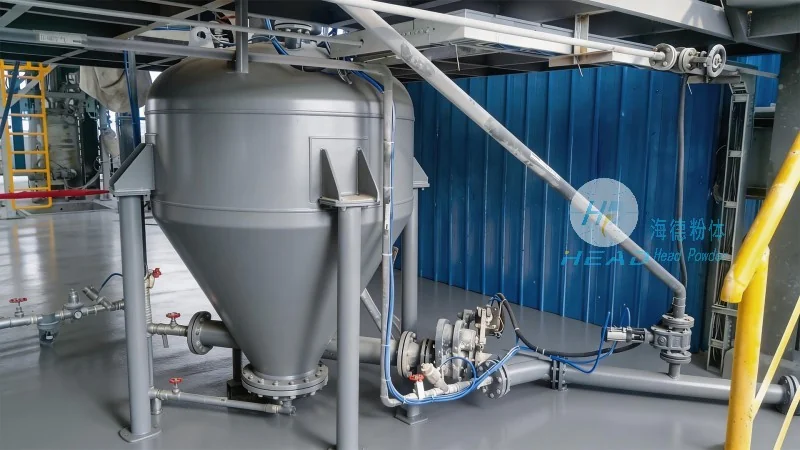
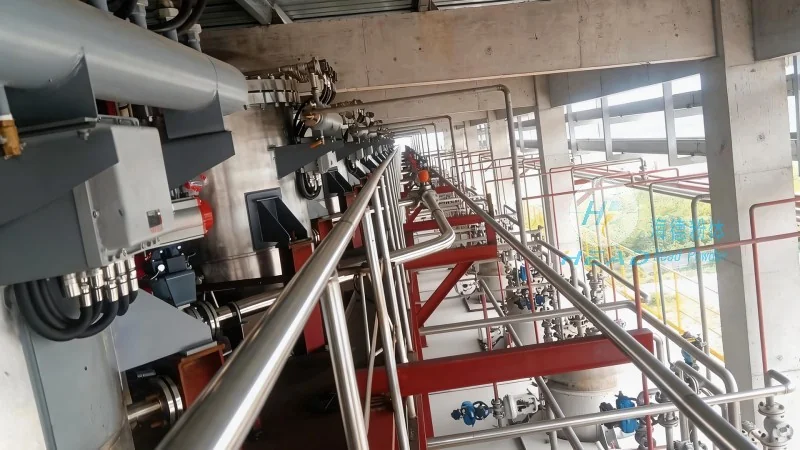
Air-pressure or pneumatic conveying systems use compressed air to transport polyethylene resin powders through a pipeline. These systems are ideal for long-distance transport and can handle both dilute and dense phase flow. Pneumatic conveyors are particularly effective for materials that are difficult to handle with mechanical systems, such as fine powders that are prone to static charge accumulation. The primary advantage of pneumatic conveying is its ability to transport materials over long distances with minimal loss of material quality and reduced risk of contamination.
Despite their benefits, pneumatic conveying systems have significant drawbacks when applied to polyethylene resin powders. The most notable limitation is the high energy consumption associated with operating compressed air systems. This can increase operational costs, especially for large-scale operations. Additionally, the design of the system must account for the potential for material segregation or separation during transport, as different particle sizes or densities may behave differently in the air stream. The risk of dust explosion is another critical concern, as polyethylene powders are flammable and can create explosive mixtures with air. Proper explosion-proof measures and regular maintenance are essential to mitigate these risks.
Belt Conveyors
Belt conveyors are commonly used for transporting polyethylene resin powders in bulk, particularly in applications where large quantities of material need to be moved over long distances. These systems consist of a continuous belt that moves over rollers or idlers, carrying the material from one point to another. Belt conveyors are known for their high capacity and ability to handle a wide range of materials, including those with high bulk density or abrasive properties.
The advantages of belt conveyors for polyethylene resin powders include their ability to transport large volumes of material efficiently and their low maintenance requirements compared to other systems. They are also relatively simple to install and can be easily integrated into existing production facilities. However, belt conveyors have several limitations that make them less suitable for some applications. One major drawback is the risk of material spillage or leakage, which can lead to contamination and safety hazards. Additionally, belt conveyors may not be effective for fine powders that tend to fall through the gaps between the belt and the rollers, resulting in material loss and reduced efficiency. The design of the belt and the tensioning system must be carefully considered to prevent slippage and ensure consistent material transport.
Comparison of Conveying Methods
When comparing the different conveying methods for polyethylene resin powders, several factors must be considered. The choice of system should be based on the specific requirements of the application, including the distance to be covered, the required flow rate, and the properties of the material. Screw conveyors are generally suitable for short to medium distances and are cost-effective for low to medium flow rates. Pneumatic conveying is ideal for long-distance transport and can handle fine powders effectively, but it requires higher energy input and more complex safety measures. Belt conveyors are best suited for large-scale bulk transport but may not be suitable for fine powders due to spillage risks.
Cost is another critical factor in the selection of a conveying system. Screw conveyors are typically the most economical option for short distances, while pneumatic conveying systems have higher initial and operational costs. Belt conveyors fall in the middle, with costs depending on the capacity and length of the system. Maintenance requirements also vary significantly between the methods. Screw conveyors require regular inspection and cleaning to prevent clogging, while pneumatic systems need more frequent maintenance of air compressors and filters. Belt conveyors may require periodic replacement of the belt and adjustment of the tensioning system.
Conclusion
Selecting the appropriate conveying method for polyethylene resin powders is essential for optimizing industrial operations. Each method has its own set of advantages and disadvantages, and the best choice depends on the specific application requirements. By understanding the properties of polyethylene resin powders and the characteristics of different conveying systems, industrial operators can make informed decisions that enhance efficiency, reduce costs, and ensure safety. Shandong HeadPowder Engineering Co., Ltd. offers a range of customized conveying solutions tailored to meet the unique needs of the polyethylene resin industry, helping clients achieve their operational goals with reliability and efficiency.