Công ty TNHH Kỹ thuật Headpowder Sơn Đông chuyên vận chuyển khí nén bột và hạt. Nhờ thế mạnh hợp tác doanh nghiệp‑trường‑viện, chúng tôi cung cấp giải pháp vận chuyển kín, không bụi, độ chính xác cao.
Polyurethane (PUR) is a versatile material widely used in various industrial applications due to its excellent mechanical properties, durability, and adaptability. The efficient handling and transportation of PUR materials are crucial for maintaining production efficiency and product quality. Among the various conveying methods available, pneumatic conveying stands out as a preferred choice for many industries. This article explores the different types of PUR conveying methods, with a focus on the advantages and features of pneumatic conveying systems. Shandong HeadPowder Engineering Co., Ltd., a leading manufacturer specializing in material handling solutions, has developed advanced pneumatic conveying systems tailored for PUR applications.
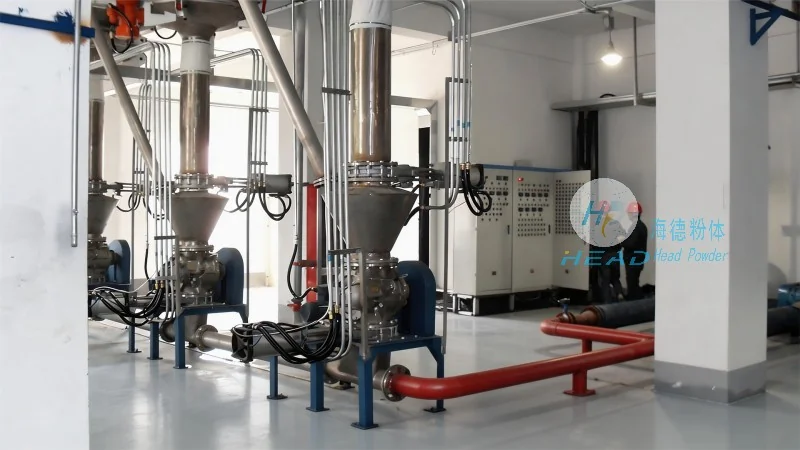
Common PUR Conveying Methods
There are several conventional methods used for transporting PUR materials, each with its own set of applications and limitations. The primary methods include mechanical conveying systems such as screw conveyors, belt conveyors, and bucket elevators. These systems are widely used for bulk material handling and are suitable for materials that are not too abrasive or sticky. However, mechanical conveyors may face challenges when dealing with fine or powdery PUR particles, as they can lead to material degradation or blockages. Another method is the use of vacuum or pressure systems, which can be effective for certain applications but may not be suitable for all types of PUR materials.
Pneumatic Conveying: A Preferred Solution
Pneumatic conveying, also known as air conveying, is a method that uses air or other gases to transport materials through a pipeline. This technique is particularly effective for handling PUR powders and granules, offering several advantages over traditional mechanical methods. The key benefits of pneumatic conveying for PUR materials include:
Efficient and continuous material transport, reducing downtime and labor costs.
Ability to handle fine and abrasive materials without causing wear or degradation.
Reduced risk of contamination and cross-contamination, as the system is enclosed and sealed.
Flexibility in system design, allowing for integration with existing production lines and equipment.
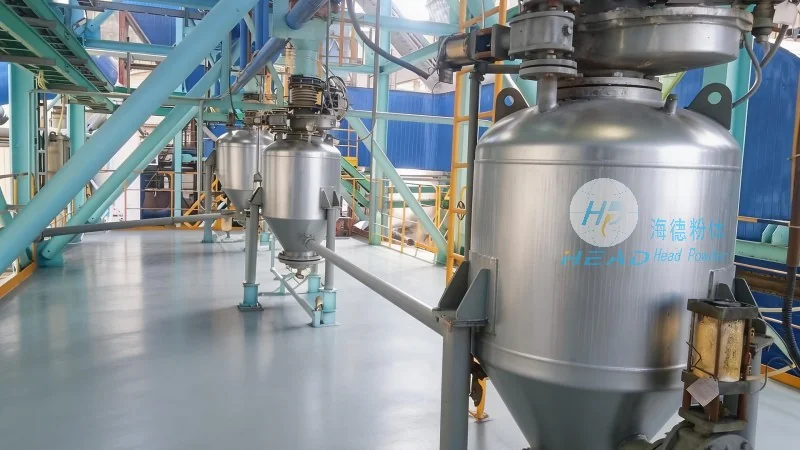
Key Features of Pneumatic Conveying Systems
Modern pneumatic conveying systems for PUR materials are designed with advanced features to enhance performance and reliability. These systems typically include components such as air compressors, material feeders, pipelines, and collection hoppers. The choice of system design depends on the specific application requirements, including material characteristics, distance to be conveyed, and desired throughput. For example, dilute phase pneumatic conveying is suitable for short distances and low to medium material flow rates, while dense phase systems are preferred for longer distances and higher material loads.
Advantages of Pneumatic Conveying for PUR
When compared to other conveying methods, pneumatic conveying offers several distinct advantages for PUR materials. These advantages contribute to improved operational efficiency and product quality. Some of the key advantages include:
Reduced maintenance costs due to fewer moving parts and less wear on components.
Improved safety as the system is enclosed, minimizing dust exposure and fire hazards.
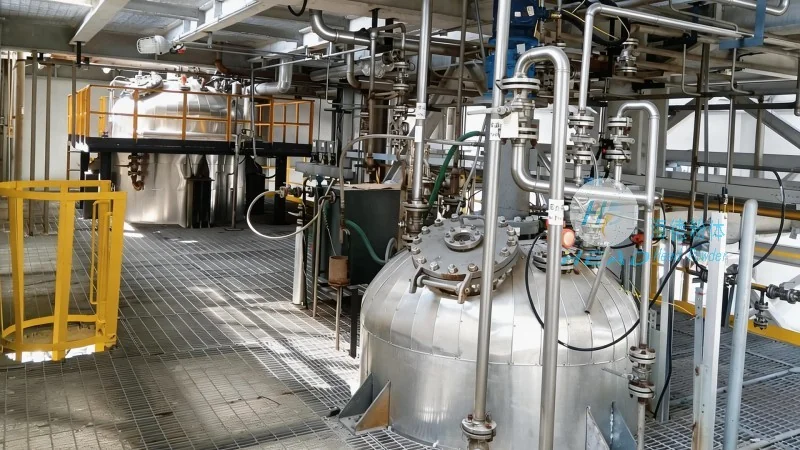
Enhanced product integrity, as the material is not subjected to excessive pressure or friction during transport.
Scalability and adaptability, allowing the system to be expanded or modified to meet changing production needs.
Applications of Pneumatic Conveying in PUR Production
Pneumatic conveying systems are widely used in various stages of PUR production, from raw material handling to finished product packaging. In the raw material stage, pneumatic conveying is used to transport PUR powders and granules from storage silos to processing equipment. This ensures a consistent and controlled feed of materials, which is critical for maintaining product consistency. During the production process, pneumatic conveying can be used to transfer intermediate products, such as pre-mixed PUR compounds, between different processing units. Finally, in the packaging stage, pneumatic conveying can be employed to move finished PUR products from the production line to storage or shipping areas.
Conclusion
In conclusion, pneumatic conveying is a highly effective and efficient method for transporting PUR materials. Its advantages in terms of performance, safety, and product quality make it a preferred choice for many industries. By understanding the different types of conveying methods and the specific features of pneumatic systems, manufacturers can optimize their material handling processes and improve overall operational efficiency. As the demand for PUR materials continues to grow, the importance of reliable and efficient conveying systems will only increase, making pneumatic conveying an essential component of modern PUR production.

 Shandong Headpowder Engineering Co., Ltd.
 156-6277-7102(Quản lý Trương)
  0531-83386006
  Thành phố Tế Nam, Tỉnh Sơn Đông, Trung Quốc
Điện thoại
WeChatTư vấn
Lên đầu