Công ty TNHH Kỹ thuật Headpowder Sơn Đông chuyên vận chuyển khí nén bột và hạt. Nhờ thế mạnh hợp tác doanh nghiệp‑trường‑viện, chúng tôi cung cấp giải pháp vận chuyển kín, không bụi, độ chính xác cao.
When it comes to handling and transporting lime powder, selecting the right conveying method is crucial for ensuring efficiency, safety, and cost-effectiveness in industrial operations. Lime powder, a common material used in various industries such as construction, water treatment, and chemical processing, requires specialized handling due to its fine particle size and potential for dust generation. The choice of conveying method directly impacts the overall performance of the process, making it essential to understand the available options and their specific applications.
Introduction to Lime Powder Conveying Methods
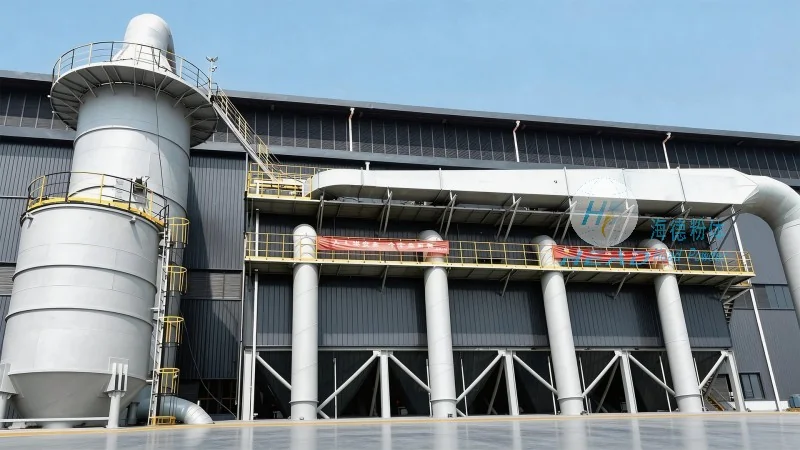
Lime powder, also known as quicklime or calcium oxide, is a white, fine-grained material that is widely used in industrial applications. Its high reactivity and ability to neutralize acidic substances make it a vital component in many processes. However, the fine nature of lime powder poses challenges during transportation, as it can easily become airborne and cause respiratory issues or equipment clogging if not handled properly. Consequently, various conveying methods have been developed to address these challenges, with each method offering unique advantages and limitations based on the specific requirements of the application.
Common Conveying Methods for Lime Powder
There are several conventional methods used for transporting lime powder, including mechanical conveyors like belt conveyors, screw conveyors, and bucket elevators. These methods are often effective for transporting bulk materials over short distances and in environments where dust control is manageable. However, they may not be suitable for long-distance or high-volume applications due to limitations in capacity and the potential for material degradation or equipment wear. Additionally, mechanical conveyors may require regular maintenance and can be less efficient in handling fine powders, as they often generate significant dust and may cause clogging in the system.
Pneumatic Conveying: A Superior Solution for Lime Powder Transport

Pneumatic conveying, also known as air conveying, has emerged as a leading technology for transporting lime powder, especially in applications requiring high efficiency, minimal dust generation, and long-distance transport. This method involves the use of air to move the powder through a pipeline system, utilizing either positive pressure (where air is forced into the system) or negative pressure (where air is drawn out). Pneumatic conveying offers several advantages that make it ideal for handling lime powder, including its ability to transport fine powders without clogging, reduced risk of dust exposure, and improved process control.
Key Advantages of Pneumatic Conveying for Lime Powder
One of the primary advantages of pneumatic conveying for lime powder is its high efficiency in transporting materials over long distances. Unlike mechanical conveyors, which may require multiple stages or intermediate storage, pneumatic systems can transport lime powder directly from the source to the destination with minimal loss or degradation. This efficiency is particularly beneficial in large-scale industrial operations where the distance between the production and processing areas is significant.
Another critical advantage is the reduced risk of dust generation and exposure. Lime powder is a fine material that can easily become airborne, posing health hazards to workers and causing environmental issues. Pneumatic conveying systems are designed to minimize dust release by using enclosed pipelines and proper filtration, ensuring that the material is transported safely and without contaminating the surrounding environment. This feature not only enhances workplace safety but also complies with environmental regulations, making it a preferred choice for many industries.
Enhanced Process Control and Flexibility
Pneumatic conveying systems provide enhanced process control, allowing operators to adjust the flow rate, pressure, and direction of the material as needed. This flexibility is essential in applications where the demand for lime powder fluctuates or where multiple destinations are involved. For example, in water treatment plants, the amount of lime powder required for pH adjustment can vary based on the incoming water quality, and a pneumatic system can easily adapt to these changes without the need for manual adjustments or additional equipment.
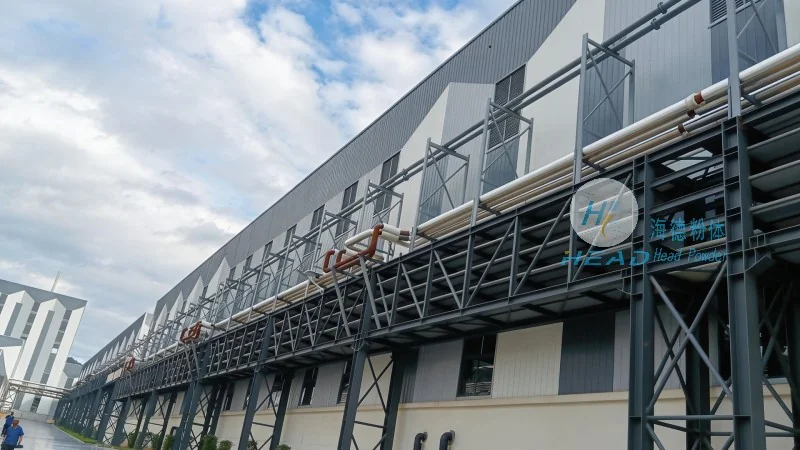
Furthermore, pneumatic conveying systems are highly adaptable to different types of lime powder, including different particle sizes and moisture contents. This adaptability ensures that the system can handle various grades of lime powder without requiring significant modifications or replacements. The ability to transport both dry and slightly moist lime powder makes pneumatic conveying a versatile solution for a wide range of industrial applications.
HeadPowder's Expertise in Pneumatic Conveying Solutions
Shandong HeadPowder Engineering Co., Ltd., a leading manufacturer and supplier of pneumatic conveying systems, specializes in providing customized solutions for lime powder transport. With years of experience in the industry, HeadPowder has developed advanced technologies and equipment tailored to the unique needs of lime powder handling. The company's expertise lies in designing efficient, reliable, and cost-effective pneumatic conveying systems that meet the highest standards of performance and safety.
HeadPowder's products are engineered to handle the challenges associated with lime powder, such as fine particle size, dust generation, and long-distance transport. The company's team of engineers and technicians work closely with clients to understand their specific requirements and provide tailored solutions that optimize the conveying process. Whether it's a new installation or an upgrade to an existing system, HeadPowder offers comprehensive support, including design, installation, and maintenance services.
Conclusion: Choosing the Right Conveying Method for Lime Powder
In conclusion, the choice of conveying method for lime powder significantly impacts the efficiency and safety of industrial operations. While conventional methods like belt and screw conveyors have their uses, pneumatic conveying stands out as a superior solution for handling fine powders like lime powder. Its advantages in efficiency, dust control, and process flexibility make it the preferred choice for many industries. For businesses looking to improve their lime powder transport systems, partnering with a reputable company like Shandong HeadPowder Engineering Co., Ltd. can provide the expertise and technology needed to achieve optimal performance and compliance with industry standards.

 Shandong Headpowder Engineering Co., Ltd.
 156-6277-7102(Quản lý Trương)
  0531-83386006
  Thành phố Tế Nam, Tỉnh Sơn Đông, Trung Quốc
Điện thoại
WeChatTư vấn
Lên đầu