

Types of Silica Sand Conveying Methods: An Overview of the Advantages and Features of Pneumatic Conv
When it comes to transporting silica sand, various methods are employed depending on the specific requirements of the operation. Understanding the different approaches to silica sand conveyance is crucial for optimizing material handling processes in industrial settings. From traditional bulk handling techniques to modern pneumatic systems, each method offers distinct advantages and considerations that impact efficiency, cost, and operational safety. Shandong HeadPowder Engineering Co., Ltd., a leading provider of material handling solutions, specializes in the design and implementation of efficient silica sand transport systems, including advanced pneumatic conveying technologies.
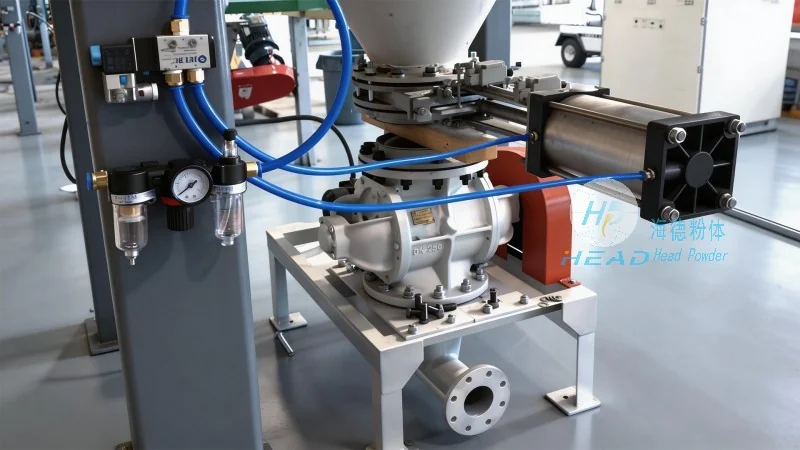
The Role of Pneumatic Conveying in Silica Sand Transport
Pneumatic conveying, also known as air-pneumatic transport, has emerged as a highly effective solution for silica sand transportation. This method involves using air pressure to move the material through a pipeline system, eliminating the need for mechanical components like belts or buckets in many cases. The process typically involves a hopper where the silica sand is loaded, a compressor that generates the air pressure, and a pipeline network that transports the material to its destination. Compared to traditional methods, pneumatic conveying offers several key advantages that make it a preferred choice for many industries.
Advantages of Pneumatic Conveying for Silica Sand
One of the primary benefits of pneumatic conveying for silica sand is its ability to handle fine or abrasive materials without causing excessive wear on equipment. Silica sand is known for its hardness and potential to cause wear on metal surfaces, but pneumatic systems are designed to mitigate this issue through the use of specialized materials and flow control mechanisms. Additionally, pneumatic conveying allows for a more controlled and consistent flow rate, which is essential for maintaining product quality and preventing clogging in downstream processes. The system also enables the transport of silica sand over longer distances with minimal loss of material, making it suitable for applications where direct conveyance is not feasible.
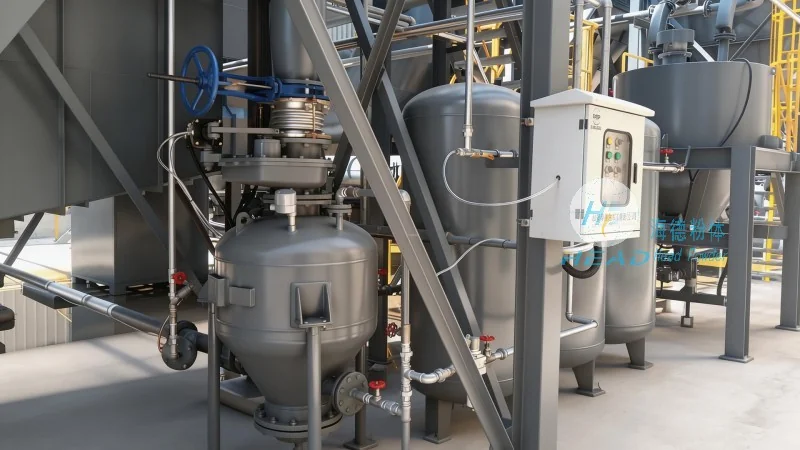
Key Features of Pneumatic Conveying Systems
Modern pneumatic conveying systems for silica sand are equipped with several features that enhance their performance and reliability. These include advanced control systems that allow for real-time monitoring of pressure, flow rate, and material levels. The use of high-quality materials, such as stainless steel or specialized alloys, ensures durability and resistance to corrosion, which is particularly important when handling silica sand that may contain moisture or other contaminants. Furthermore, the systems are designed to be flexible, allowing for easy integration with existing production lines and the ability to adapt to changing operational needs. The integration of sensors and automation technology also contributes to improved efficiency and reduced downtime, making pneumatic conveying a cost-effective solution in the long run.
Applications of Pneumatic Conveying in Silica Sand Handling
The versatility of pneumatic conveying makes it suitable for a wide range of applications involving silica sand. In the construction industry, for example, pneumatic systems are used to transport sand for concrete mixing and mortar production. The ability to deliver a consistent flow of silica sand to mixing stations ensures uniform product quality and reduces the risk of material segregation. In the glass manufacturing sector, pneumatic conveying is essential for transporting raw silica sand to furnaces, where it is melted and processed into glass products. The high-temperature resistance of pneumatic systems and their ability to handle abrasive materials make them ideal for these demanding applications. Additionally, in the mining and processing industries, pneumatic conveying is used to transport silica sand from storage silos to processing equipment, improving overall operational efficiency.
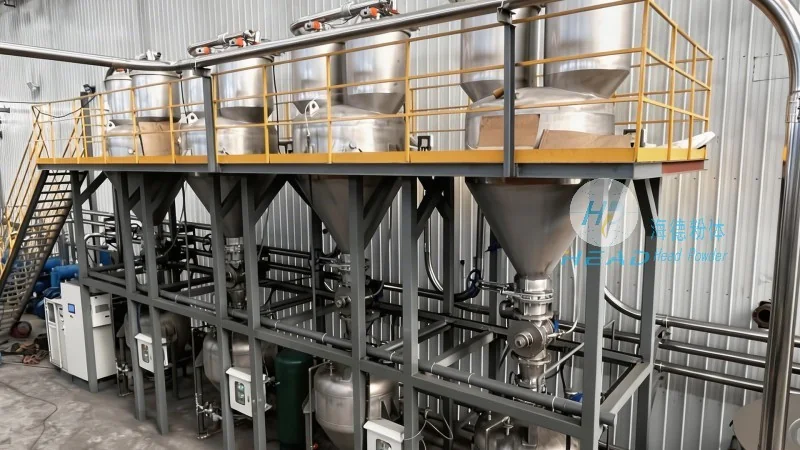
Conclusion: Choosing the Right Silica Sand Conveying Method
When selecting a silica sand conveying method, it is essential to consider factors such as material characteristics, distance to be covered, and operational requirements. While traditional methods like belt conveyors may be suitable for certain applications, pneumatic conveying offers significant advantages in terms of efficiency, control, and material handling. The ability to handle fine or abrasive materials without excessive wear, combined with the flexibility and reliability of modern pneumatic systems, makes it a compelling choice for many industries. By understanding the different options available and the specific needs of the operation, businesses can make informed decisions that optimize their silica sand transport processes and enhance overall productivity.