

What Are the Methods for Light Bulk Powder Conveying? An Overview of the Advantages and Features of
Light bulk powders, including fine chemicals, pharmaceutical powders, and food-grade additives, require specialized handling due to their low density and potential for particle degradation. Conventional bulk material handling equipment, such as belt conveyors or screw conveyors, may not be suitable for these materials. These systems often lead to issues like dust generation, material segregation, and inefficient flow, which can compromise product quality and operational efficiency. To address these challenges, various specialized conveying methods have been developed, with pneumatic conveying emerging as a leading solution for many industries.
Common Conveying Methods for Light Bulk Powders
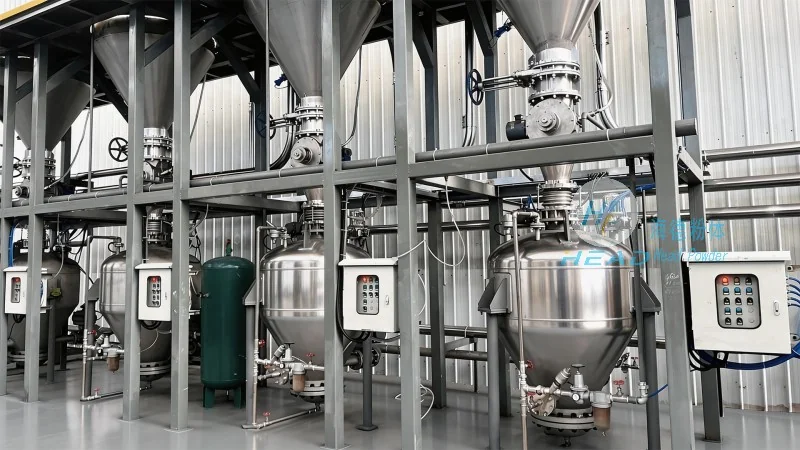
Before delving into the specifics of pneumatic conveying, it is essential to understand the primary methods used for light bulk powder transport. Traditional mechanical systems, including belt conveyors, screw conveyors, and bucket elevators, rely on gravity or mechanical force to move materials. While effective for heavier or more cohesive powders, these methods are often inadequate for light, fine powders. For instance, belt conveyors may cause excessive friction and particle attrition, while screw conveyors can lead to blockages and material degradation due to the high shear forces.
Pneumatic Conveying: A Preferred Solution for Light Bulk Powders
Pneumatic conveying, also known as air conveying, uses compressed air or gas to transport powders through a pipeline. This method offers several advantages that make it ideal for light bulk powders. The primary benefit is the ability to handle delicate materials without mechanical contact, reducing the risk of particle breakage or contamination. Unlike mechanical systems, pneumatic conveyors do not generate significant friction or shear forces, which helps maintain the integrity of the powder. Additionally, pneumatic systems can transport powders over long distances and vertical heights with minimal energy consumption compared to other methods.
Key Advantages of Pneumatic Conveying for Light Bulk Powders
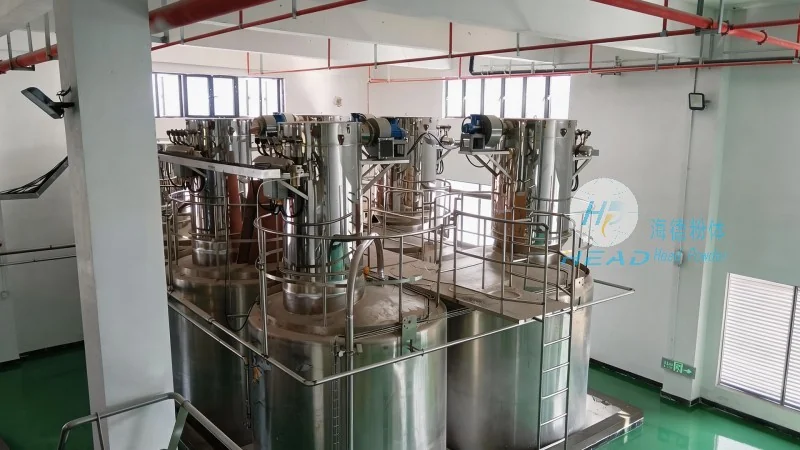
When compared to other conveying methods, pneumatic conveying for light bulk powders offers distinct advantages that enhance operational performance and product quality. One of the most significant benefits is the reduction in dust generation and environmental contamination. Unlike mechanical systems that may produce airborne dust, pneumatic conveyors enclose the material in a sealed pipeline, preventing dust from escaping into the environment. This not only improves workplace safety but also ensures compliance with environmental regulations. Furthermore, the enclosed system minimizes the risk of cross-contamination, which is critical in industries like pharmaceuticals and food processing where product purity is paramount.
Efficiency and Flexibility in Pneumatic Conveying Systems
Pneumatic conveying systems are highly efficient and flexible, allowing for customization to meet specific operational requirements. These systems can be designed for both low and high-pressure applications, with low-pressure systems being suitable for short-distance transport and high-pressure systems for longer distances. The flexibility of pneumatic conveyors also allows for integration with other processing equipment, such as mixers, classifiers, and packaging machines. This integration streamlines the production process and reduces the need for manual handling, further improving efficiency and reducing labor costs.
Applications of Pneumatic Conveying in Light Bulk Powder Handling
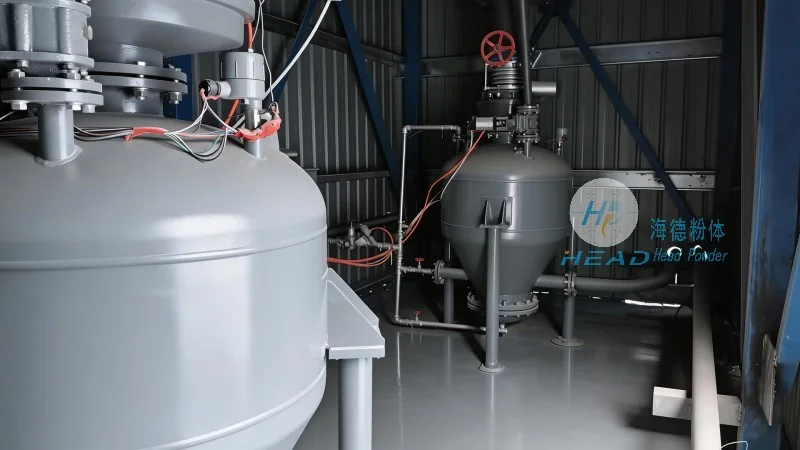
The advantages of pneumatic conveying make it a popular choice across various industries that handle light bulk powders. In the pharmaceutical industry, pneumatic systems are used to transport active pharmaceutical ingredients (APIs) and excipients with high precision, ensuring that the final product meets strict quality standards. In the food industry, these systems are employed to convey food additives, spices, and powders while maintaining hygiene and preventing contamination. Similarly, in the chemical industry, pneumatic conveyors are used to handle fine chemicals, such as pigments and catalysts, which are sensitive to mechanical stress.
Conclusion: Choosing the Right Conveying Method for Light Bulk Powders
When selecting a conveying method for light bulk powders, it is crucial to consider the specific characteristics of the material and the operational requirements of the facility. While mechanical systems may be suitable for some applications, pneumatic conveying offers superior performance in terms of material handling, product quality, and operational efficiency. By leveraging the advantages of pneumatic systems, industries can enhance their production processes, reduce costs, and ensure compliance with industry standards. As a leading provider of specialized conveying solutions, Shandong HeadPowder Engineering Co., Ltd. specializes in designing and manufacturing pneumatic conveying systems tailored to the unique needs of light bulk powder handling.