

Polycarbonate Conveying Methods: An Overview of the Advantages and Features of Polycarbonate Pneumat
Polycarbonate, a widely used engineering plastic known for its excellent impact resistance, transparency, and light weight, is often encountered in various industrial applications. When it comes to transporting polycarbonate materials, selecting the right conveying method is crucial for ensuring efficiency, product integrity, and operational safety. This article will explore the primary methods of polycarbonate conveyance and delve into the specific advantages and characteristics of polycarbonate pneumatic conveying, a popular choice in many industries.
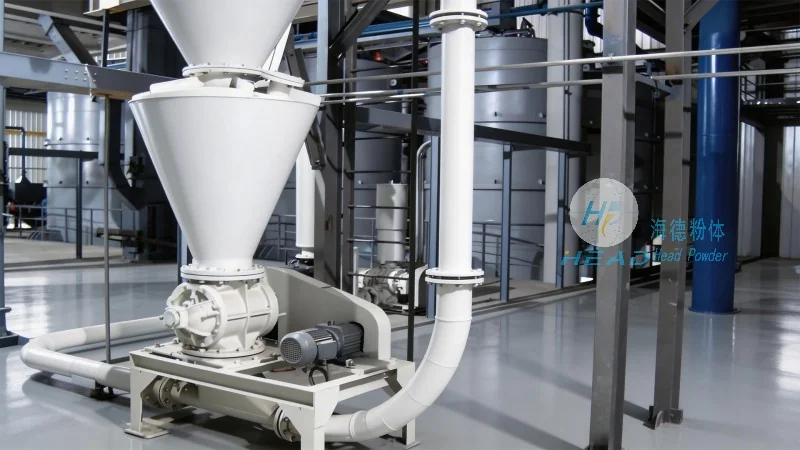
Polycarbonate is typically handled in powder, granule, or pellet form, each requiring different conveying approaches. The most common methods include mechanical conveying (such as screw conveyors, belt conveyors, and bucket elevators) and pneumatic conveying. Mechanical systems are often preferred for bulk materials due to their simplicity and cost-effectiveness, but they may face challenges with polycarbonate's abrasive nature or tendency to stick to surfaces. In contrast, pneumatic conveying offers a more flexible and efficient solution, especially for fine powders or when long-distance transport is needed.
Polycarbonate Pneumatic Conveying: How It Works
Polycarbonate pneumatic conveying utilizes air or other gases to transport polycarbonate particles through a closed system. The process typically involves a blower or compressor that generates airflow, which then moves the material through pipes. There are two main types of pneumatic conveying: pressure and vacuum systems. Pressure systems use compressed air to push the material forward, while vacuum systems use suction to draw the material into the system. For polycarbonate, pressure systems are often more effective due to the material's low density and the need to maintain consistent flow rates.
Advantages of Polycarbonate Pneumatic Conveying
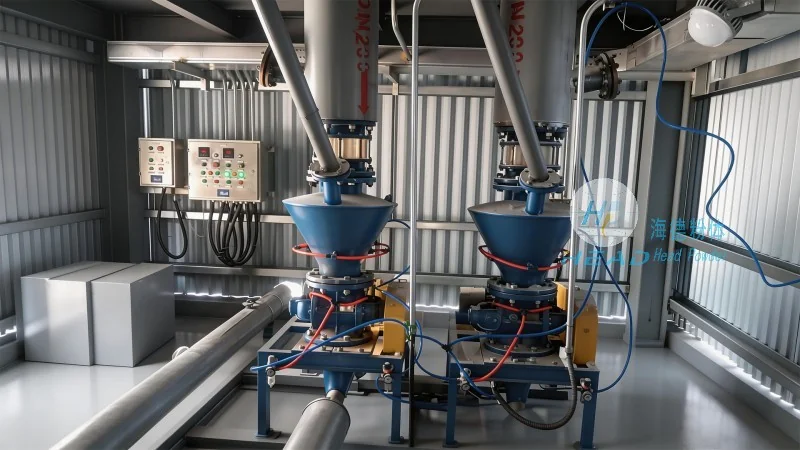
One of the key advantages of polycarbonate pneumatic conveying is its ability to handle fine powders without causing degradation or contamination. Polycarbonate particles are relatively soft and can be sensitive to mechanical stress, making mechanical conveyors less suitable. Pneumatic systems minimize friction and impact, preserving the material's quality and reducing the risk of dust generation or product degradation. This is particularly important in applications where the polycarbonate is used for optical components, medical devices, or food packaging, where purity and consistency are critical.
Another significant advantage is the flexibility of pneumatic conveying systems. They can be easily adapted to different production layouts, allowing for changes in the conveying route or capacity without major modifications. This adaptability is beneficial in dynamic manufacturing environments where production needs may shift frequently. Additionally, pneumatic systems can handle long-distance transport efficiently, making them suitable for large-scale industrial operations where materials need to be moved from one facility to another or between different processing stages.
Key Features of Polycarbonate Pneumatic Conveying Systems
Polycarbonate pneumatic conveying systems are designed with several features to enhance performance and reliability. These include:
Material Compatibility: The system components, such as pipes, valves, and filters, are made from materials that are compatible with polycarbonate. This prevents chemical reactions or corrosion that could affect the material's quality or the system's longevity.
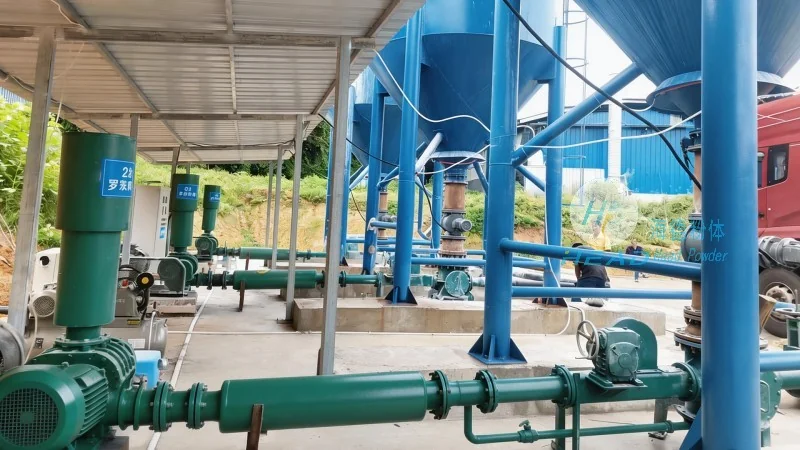
Low Maintenance: Pneumatic systems generally require less maintenance compared to mechanical conveyors. The absence of moving parts in the conveying line reduces wear and tear, and the use of air as the transport medium minimizes the risk of mechanical failure.
Energy Efficiency: Modern pneumatic conveying systems are designed to be energy-efficient, using optimized airflow and pressure to minimize energy consumption. This not only reduces operational costs but also aligns with sustainability goals in industrial operations.
Control and Monitoring: Advanced control systems allow for precise regulation of the conveying process, ensuring consistent material flow and preventing overloading or underloading of the system. Monitoring features can also detect issues such as blockages or pressure drops, enabling timely maintenance and preventing production disruptions.
Applications of Polycarbonate Pneumatic Conveying
Polycarbonate pneumatic conveying is widely used in various industries where polycarbonate is processed or used. Some common applications include:
Electronics Manufacturing: In the production of optical lenses, displays, and other electronic components, polycarbonate is often used in powder form. Pneumatic conveying ensures that the powder is transported without contamination, maintaining the high standards required for electronic devices.
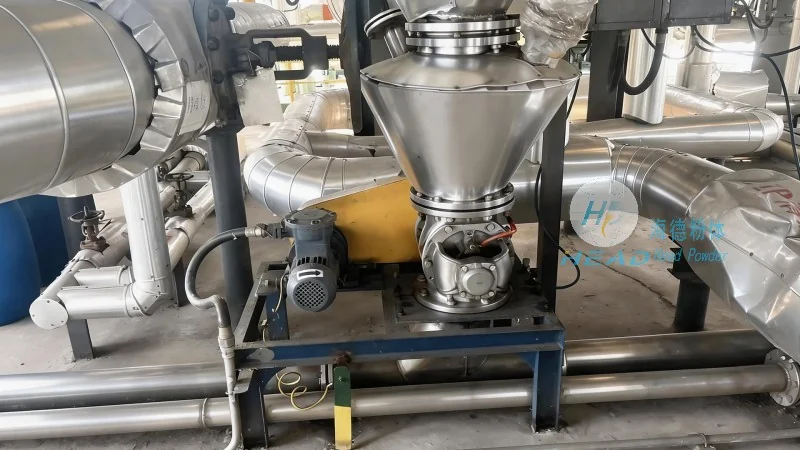
Medical Device Manufacturing: Polycarbonate is a popular material for medical devices due to its biocompatibility and durability. Pneumatic conveying systems are used to transport polycarbonate powders or granules for the manufacturing of components like catheters, surgical tools, and medical equipment.
Automotive Industry: In the automotive sector, polycarbonate is used for interior and exterior parts, such as headlights, taillights, and interior trim. Pneumatic conveying helps in efficiently moving these materials from storage to production lines, ensuring smooth manufacturing processes.
Food and Beverage Industry: Polycarbonate is used in food packaging, particularly for containers and bottles. Pneumatic conveying systems are employed to transport polycarbonate granules or powders used in the production of food packaging materials, ensuring that the process is hygienic and meets food safety standards.
Conclusion
Polycarbonate conveying methods play a vital role in the efficient and safe handling of this versatile plastic. While mechanical conveying has its place, polycarbonate pneumatic conveying stands out for its ability to handle fine powders, maintain product quality, and adapt to various industrial needs. The advantages of low maintenance, energy efficiency, and flexibility make it a preferred choice for many manufacturers. As industries continue to rely on polycarbonate for its unique properties, the importance of selecting the right conveying method will only grow. By understanding the characteristics of polycarbonate and the benefits of pneumatic conveying, companies can optimize their operations and ensure the consistent production of high-quality polycarbonate products.
Shandong HeadPowder Engineering Co., Ltd. specializes in providing advanced conveying solutions for polycarbonate and other materials. With years of experience in the industry, the company offers customized pneumatic conveying systems tailored to the specific needs of its clients. HeadPowder's commitment to quality and innovation ensures that its systems meet the highest standards of performance and reliability, helping businesses enhance their production efficiency and maintain product integrity. Whether for small-scale or large-scale operations, HeadPowder's solutions are designed to deliver exceptional results, supporting the success of industries that rely on polycarbonate in their manufacturing processes.