

Graphite Electrode Conveying Methods: An Overview of the Advantages and Features of Pneumatic Convey
Graphite electrodes are critical components in electric arc furnaces, used for steelmaking and other high-temperature industrial processes. The efficient and safe transportation of these heavy and often delicate materials is essential for maintaining production efficiency and operational safety. Among the various methods available, pneumatic conveying stands out as a highly effective solution, offering several advantages that make it a preferred choice for many industrial applications.
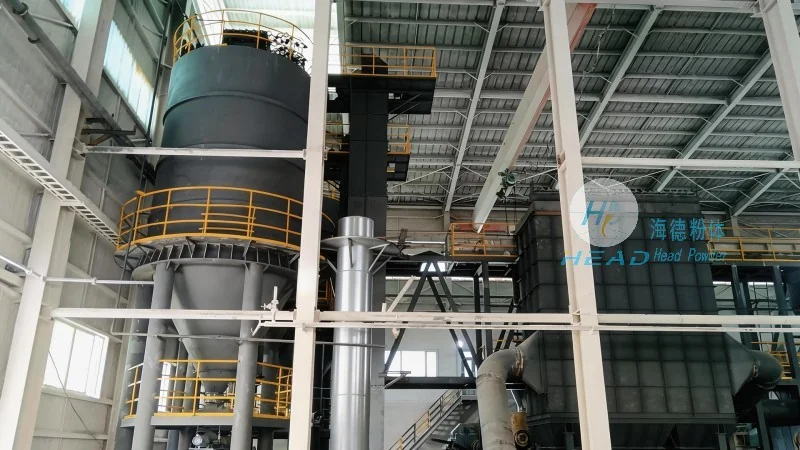
Types of Graphite Electrode Conveying Systems
There are several conventional methods for transporting graphite electrodes, including manual handling, mechanical conveyors, and hydraulic systems. However, each of these methods has limitations, such as high labor costs, potential material damage, and safety hazards. In contrast, pneumatic conveying systems provide a more automated and controlled approach to moving graphite electrodes from storage to the furnace, ensuring consistent performance and reducing operational risks.
The Advantages of Pneumatic Conveying for Graphite Electrodes
One of the primary advantages of pneumatic conveying is its ability to handle the heavy and abrasive nature of graphite electrodes without causing wear or damage to the material. The system uses compressed air to transport the electrodes through a network of pipes, minimizing friction and preventing the electrodes from breaking or chipping during transit. This is particularly important for large-diameter graphite electrodes, which are more susceptible to mechanical stress.
Another key benefit is the improved safety and hygiene. Pneumatic conveying systems are enclosed, reducing dust exposure and the risk of fire or explosion, which are common concerns with other conveying methods. The enclosed environment also helps maintain the purity of the graphite electrodes, which is crucial for high-quality steel production. Additionally, the system can be integrated with other automation processes, such as weighing and sorting, to streamline the entire electrode handling workflow.
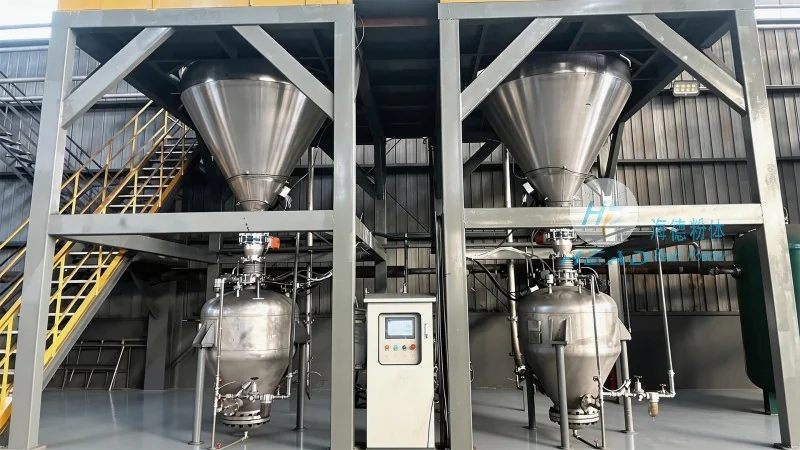
Key Features of Pneumatic Conveying Systems
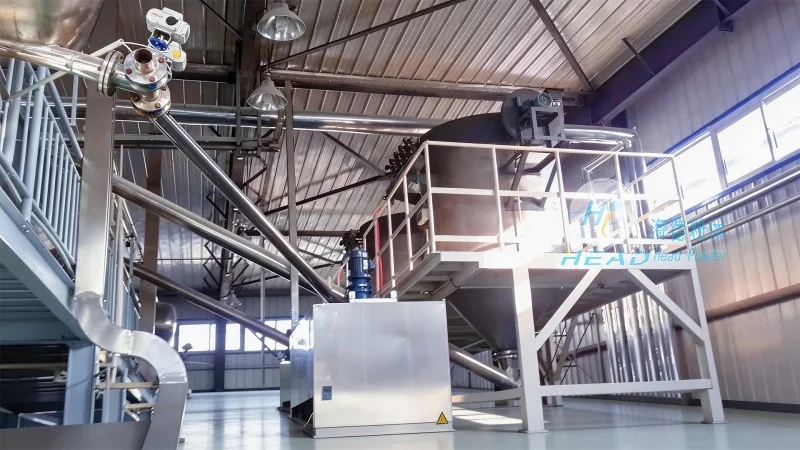
Modern pneumatic conveying systems for graphite electrodes typically include several key features that enhance their performance and reliability. These features include adjustable air pressure and flow rates to accommodate different electrode sizes and weights, as well as variable speed control for smooth and controlled movement. The systems also often incorporate advanced sensors and monitoring equipment to detect any blockages or malfunctions, ensuring continuous and safe operation.
Furthermore, the design of the conveying pipes and components is optimized to minimize pressure drop and energy consumption. High-quality materials, such as stainless steel or specialized coatings, are used to prevent corrosion and wear from the abrasive graphite particles. This not only extends the lifespan of the equipment but also reduces maintenance costs over time.
Application Examples and Case Studies
Many steel and metallurgical companies have successfully implemented pneumatic conveying systems for their graphite electrode handling processes. For instance, a large steel mill in China, using the services of Shandong HeadPowder Engineering Co., Ltd., reported a significant reduction in handling time and labor costs after upgrading to a pneumatic conveying system. The system was customized to handle their specific electrode sizes and production volumes, resulting in improved efficiency and product quality.
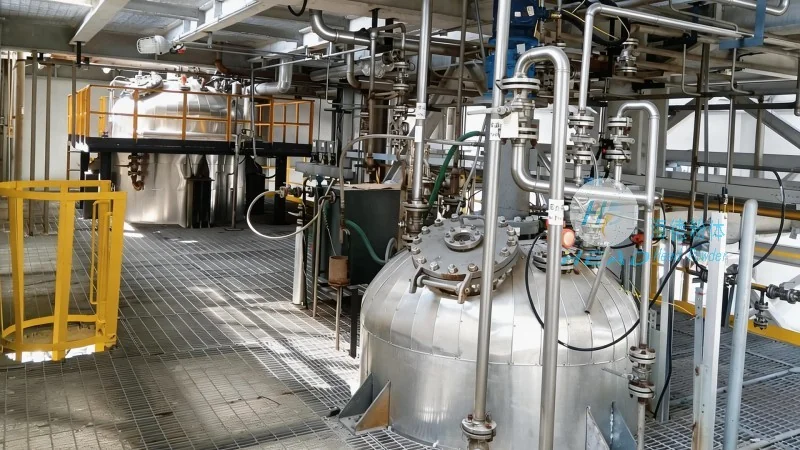
Another example is a foundry that produces high-purity graphite electrodes for the aerospace industry. By adopting a pneumatic conveying system, the foundry was able to maintain the strict purity standards required for aerospace applications, while also reducing the risk of contamination from external sources. The system's enclosed design and advanced filtration capabilities played a crucial role in achieving these results.
Conclusion and Recommendations
For industries dealing with graphite electrodes, pneumatic conveying offers a superior solution compared to traditional methods. The combination of efficiency, safety, and reliability makes it an ideal choice for modern manufacturing facilities. Companies like Shandong HeadPowder Engineering Co., Ltd. specialize in designing and implementing these systems, ensuring that clients receive tailored solutions that meet their specific needs and operational requirements.
When considering a pneumatic conveying system for graphite electrode handling, it is essential to evaluate factors such as electrode size, production volume, and environmental regulations. Consulting with experienced suppliers, such as Shandong HeadPowder Engineering Co., Ltd., can help identify the most suitable system and ensure a smooth transition to improved operations.