

Which Methods Are Used for the Transportation of Barium Sulfate Precipitate? An Overview of the Adva
Barium sulfate precipitate is a widely used industrial material, and its efficient transportation is crucial for various production processes. The choice of transportation method directly impacts operational efficiency, cost, and safety. This article provides an overview of the common methods for transporting barium sulfate precipitate, with a special focus on the advantages and features of pneumatic conveying systems.
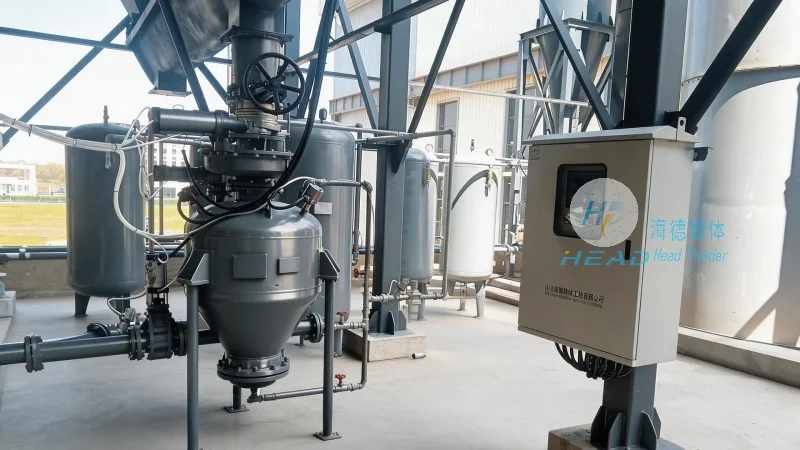
Introduction to Barium Sulfate Precipitate Transportation Methods
Barium sulfate precipitate, also known as barium sulfate powder, is commonly used in industries such as pharmaceuticals, coatings, and ceramics. The material is typically produced as a fine powder, which requires specialized handling to ensure minimal dust generation and efficient transport. Traditional methods for transporting this material include bulk bag handling, belt conveyors, and manual handling, but these methods often face challenges like dust exposure, material loss, and limited throughput. To address these issues, modern industrial applications increasingly rely on advanced transportation systems, particularly pneumatic conveying.
Overview of Pneumatic Conveying for Barium Sulfate Precipitate
Pneumatic conveying, also referred to as air conveying, is a technology that uses compressed air to transport bulk materials through a pipeline system. This method is particularly suitable for transporting fine powders like barium sulfate precipitate due to its ability to handle high volumes with minimal dust and noise. The system typically consists of a hopper, a blower or compressor, a pipeline network, and a discharge device. The material is fed into the hopper and then drawn into the pipeline by the air flow, ensuring a continuous and controlled transport process.
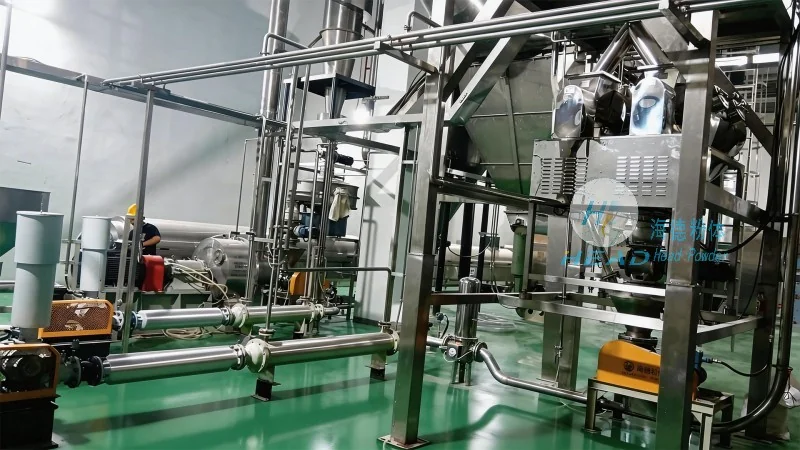
Advantages of Pneumatic Conveying for Barium Sulfate Precipitate
One of the primary advantages of pneumatic conveying for barium sulfate precipitate is its ability to maintain a dust-free environment. Unlike traditional methods that may generate significant dust during handling, pneumatic systems contain the material within a sealed pipeline, reducing exposure risks for operators and minimizing environmental impact. Additionally, pneumatic conveying offers high throughput and flexibility in material transport. It can handle varying material flow rates and can be easily integrated with other production equipment, such as mixing or packaging systems. The system also allows for precise control over the material's movement, ensuring consistent delivery to the intended destination.
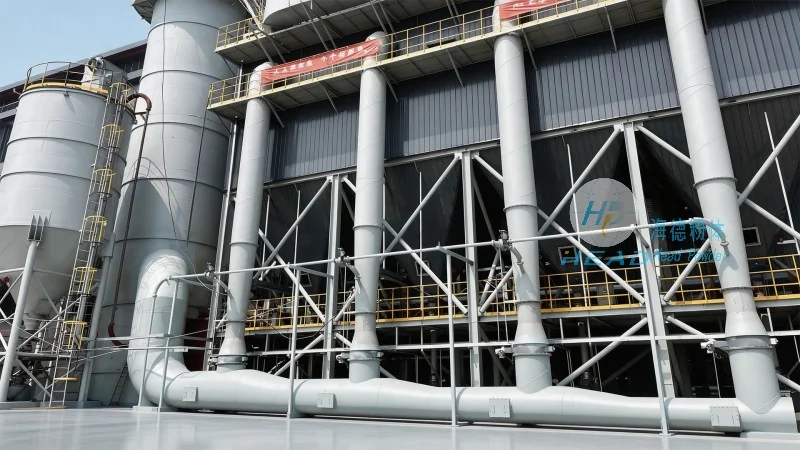
Key Features of Pneumatic Conveying Systems for Barium Sulfate Precipitate
Modern pneumatic conveying systems for barium sulfate precipitate are designed with several key features that enhance their performance and reliability. These features include: sealless or low-pressure systems to minimize energy consumption and reduce wear on components; self-cleaning pipelines to prevent material buildup and maintain consistent flow; and advanced control systems that allow for real-time monitoring and adjustment of the conveying process. The use of high-quality materials, such as stainless steel or corrosion-resistant alloys, ensures the system's durability and longevity, even when handling abrasive or corrosive materials like barium sulfate.
Applications and Industries Benefiting from Pneumatic Conveying
The benefits of pneumatic conveying for barium sulfate precipitate are evident in various industrial applications. In the pharmaceutical industry, for example, the need for sterile and dust-free environments makes pneumatic systems ideal for transporting raw materials and finished products. In the coatings industry, the ability to maintain consistent particle size and distribution is crucial for producing high-quality coatings, and pneumatic conveying ensures that the barium sulfate precipitate is delivered with minimal variation. Similarly, in the ceramics industry, the uniform distribution of barium sulfate in raw materials is essential for achieving the desired product properties, and pneumatic systems help achieve this by providing precise control over the material's flow.
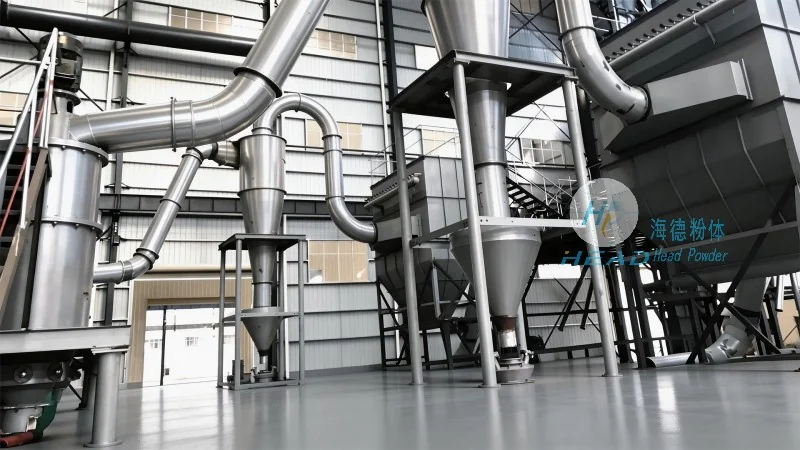
Conclusion and Recommendations
When considering the transportation of barium sulfate precipitate, it is clear that pneumatic conveying offers significant advantages over traditional methods. The ability to maintain a dust-free environment, high throughput, and flexibility make it a preferred choice for many industrial applications. For companies looking to improve their operational efficiency and safety, investing in a pneumatic conveying system is a strategic decision. Shandong HeadPowder Engineering Co., Ltd., a leading provider of industrial material handling solutions, specializes in designing and manufacturing customized pneumatic conveying systems tailored to the specific needs of their clients. With a focus on quality and innovation, HeadPowder ensures that their systems meet the highest standards of performance and reliability, helping businesses achieve their production goals while maintaining safety and environmental compliance.