

Comparison of Common Barium Sulfate (Precipitated) Transportation Methods
Precipitated barium sulfate is a widely used industrial material, often employed in applications such as coating, inks, and medical imaging. The efficient and safe transportation of this material is crucial for maintaining production efficiency and ensuring product quality. Various methods are available for transporting precipitated barium sulfate, each with its own advantages and considerations. This article provides a detailed comparison of common transportation methods, highlighting the key factors that influence the selection of an appropriate approach.
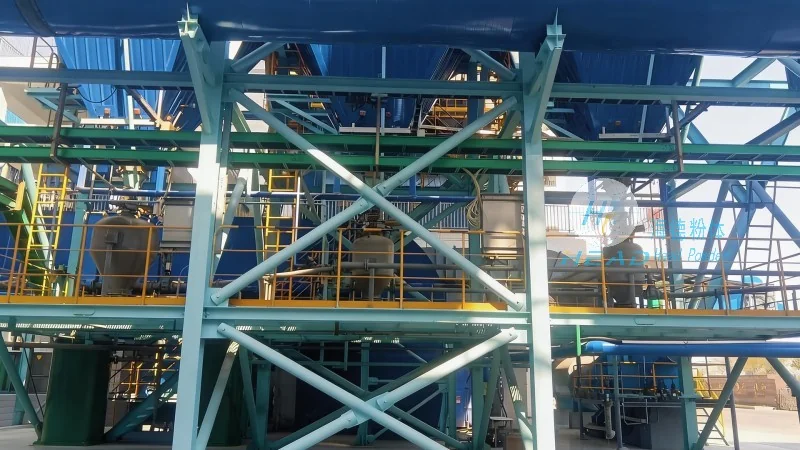
Company Overview: Shandong HeadPowder Engineering Co., Ltd.
As a leading manufacturer in the field, Shandong HeadPowder Engineering Co., Ltd. specializes in the production and supply of high-quality precipitated barium sulfate. With a strong commitment to quality and customer satisfaction, the company has established itself as a reliable partner for businesses requiring consistent and reliable material supply. HeadPowder's expertise in material handling and transportation solutions ensures that clients receive products that meet stringent industry standards.
Common Transportation Methods for Precipitated Barium Sulfate
When it comes to transporting precipitated barium sulfate, several methods are commonly utilized. The choice of method often depends on factors such as the volume of material, the distance to be covered, and the specific requirements of the end-use application. Below is an overview of the most prevalent transportation methods:
Pipeline Transportation
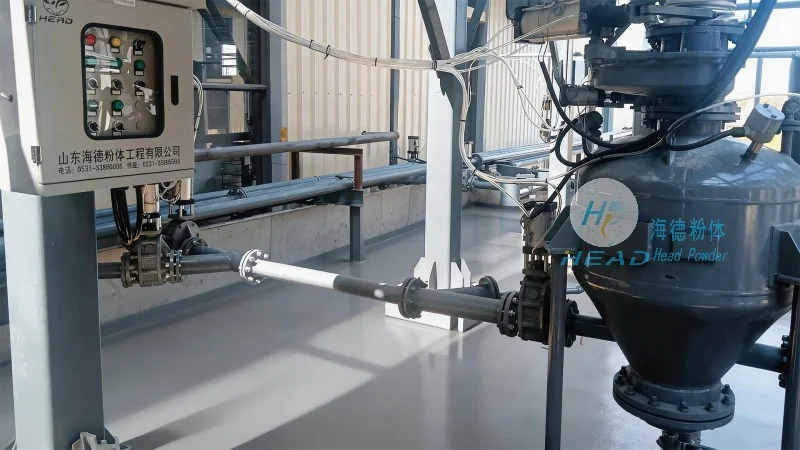
Pipeline transportation is a popular method for moving large volumes of precipitated barium sulfate over long distances. This approach involves pumping the material through a network of pipes, which can be made from materials like stainless steel or polyethylene to prevent contamination and ensure durability. The primary advantage of pipeline transportation is its ability to handle high volumes with minimal labor, reducing operational costs and enhancing efficiency. However, it requires significant infrastructure investment and may not be suitable for smaller-scale operations or for materials that are sensitive to moisture or temperature changes.
Pump-Assisted Transfer
Pump-assisted transfer is another effective method, particularly for moving precipitated barium sulfate from storage tanks to processing equipment. This method involves using specialized pumps, such as centrifugal or positive displacement pumps, to transfer the material. The choice of pump depends on the viscosity and density of the barium sulfate slurry. Pump-assisted transfer offers flexibility in terms of distance and can be integrated into existing production lines. It is often used in conjunction with pipelines for larger-scale operations, providing a reliable and efficient means of material movement.
Packaging and Bulk Handling
For smaller quantities or when transporting to remote locations, packaging and bulk handling methods are commonly employed. Precipitated barium sulfate can be packaged in containers such as plastic bags, drums, or bulk bags (flexitanks). These containers are designed to protect the material from moisture and contamination, ensuring that it remains in optimal condition during transit. Bulk handling involves loading the material into trucks or railcars for transport. This method is suitable for shorter distances and for clients who require smaller batches of the product. It provides greater flexibility in terms of delivery schedules and can accommodate various client needs.
Comparative Analysis of Transportation Methods
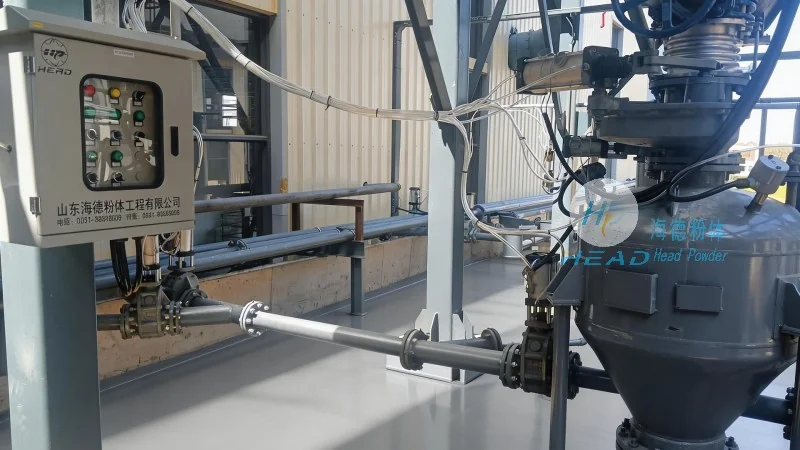
When comparing the different transportation methods for precipitated barium sulfate, several factors must be considered. Pipeline transportation is ideal for large-scale operations and long distances, offering high efficiency and low labor costs. Pump-assisted transfer provides flexibility and can be integrated into existing systems, making it suitable for medium to large-scale applications. Packaging and bulk handling, on the other hand, are more suitable for smaller volumes and shorter distances, offering greater flexibility in delivery and handling.
Key Considerations for Selecting a Transportation Method
The selection of an appropriate transportation method for precipitated barium sulfate should be based on a thorough evaluation of several factors. These include the volume of material to be transported, the distance and route, the required delivery time, and the budget available for infrastructure and equipment. Additionally, the physical properties of the barium sulfate, such as its density and moisture content, can influence the choice of method. For example, if the material is highly sensitive to moisture, pipeline transportation with proper sealing may be preferred to prevent contamination. Similarly, if the distance is short and the volume is small, packaging and bulk handling may be more cost-effective.
Conclusion
Choosing the right transportation method for precipitated barium sulfate is essential for ensuring efficient and reliable supply. Shandong HeadPowder Engineering Co., Ltd. understands the importance of these considerations and offers tailored solutions to meet the specific needs of its clients. By leveraging its expertise in material handling and transportation, HeadPowder ensures that clients receive high-quality precipitated barium sulfate delivered in a manner that optimizes efficiency and cost-effectiveness. Whether through pipeline, pump-assisted transfer, or packaging, the company's commitment to quality and customer satisfaction remains unwavering.