

How to Design a Proper PVC Pneumatic Conveying System Plan?
When it comes to designing a PVC pneumatic conveying system, the process requires careful consideration of multiple factors to ensure efficiency, reliability, and cost-effectiveness. As a leading engineering company, Shandong HeadPowder Engineering Co., Ltd., based in Shandong, China, specializes in providing comprehensive solutions tailored to meet the specific needs of clients. This article outlines key considerations and steps for designing an appropriate PVC pneumatic conveying system plan.
Understanding the Core Principles of PVC Pneumatic Conveying
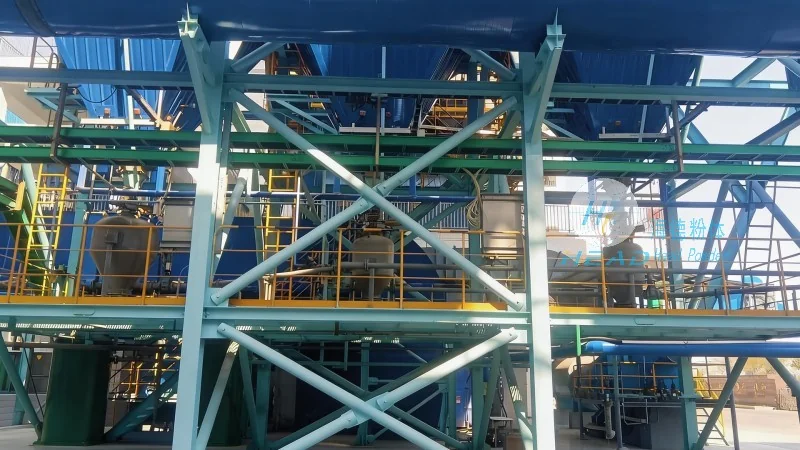
PVC (Polyvinyl Chloride) is widely used in pneumatic conveying systems due to its excellent chemical resistance, durability, and relatively low cost. However, the design of such systems must account for the unique properties of PVC, including its flexibility, potential for wear, and the need for proper sealing to prevent material leakage. A well-designed system ensures that the material is transported smoothly from the source to the destination without degradation or loss.
Key Factors to Consider in System Design
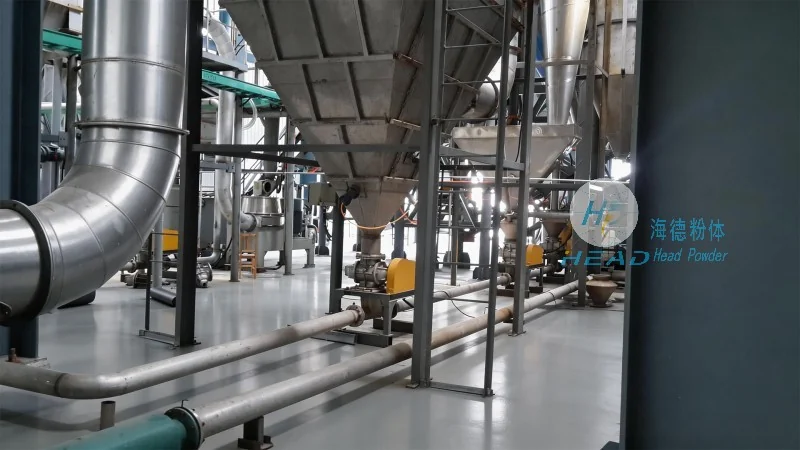
Several critical factors must be evaluated when designing a PVC pneumatic conveying system. These include the type of material being conveyed, the distance and elevation changes, the required flow rate, and the environmental conditions. Each of these factors influences the choice of components such as the air compressor, ductwork, and material feeders. For instance, abrasive materials may require reinforced PVC pipes to prevent wear, while corrosive materials demand high-quality PVC with appropriate additives to maintain integrity. The system's design must also consider the material's density and particle size, as these affect the air velocity needed for effective transport.
System Components and Their Roles
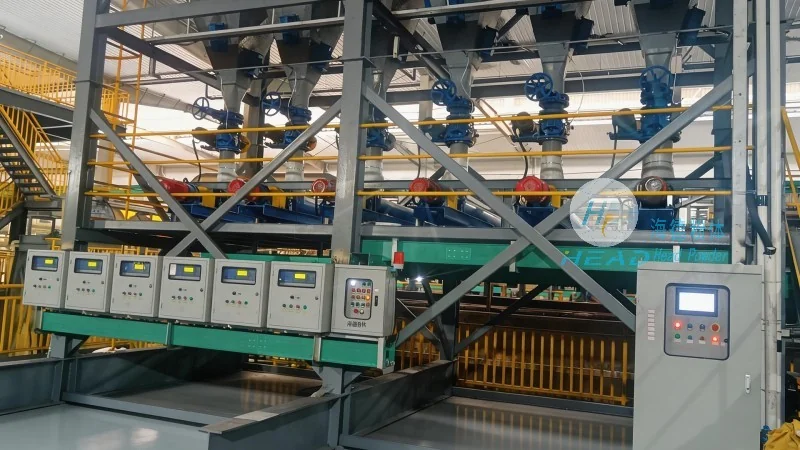
A PVC pneumatic conveying system typically consists of several key components. The air compressor provides the necessary pressure to move the material through the system. The ductwork, made from PVC, forms the path for material transport. Material feeders control the flow rate and ensure consistent feeding. Additionally, filters and cyclones are used to separate the conveyed material from the air, preventing clogging and maintaining system efficiency. Each component must be selected based on the specific application requirements to ensure optimal performance. For example, rotary valves are commonly used as feeders for bulk materials, while star feeders are suitable for smaller particles.
Designing the Ductwork and Pressure System
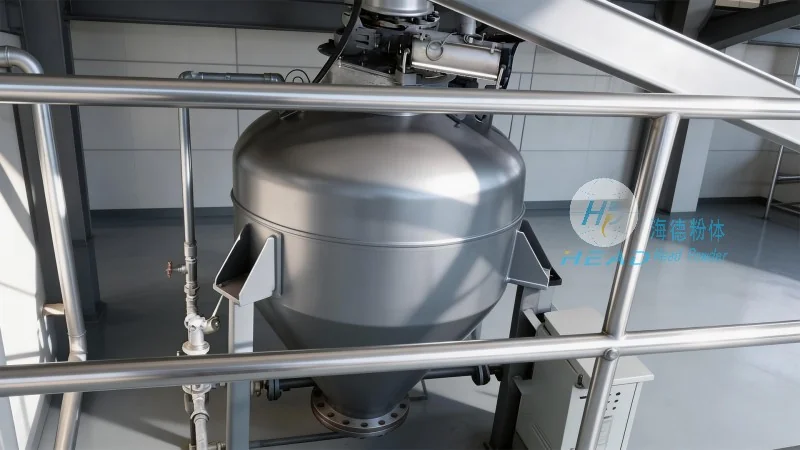
The ductwork design is a critical aspect of PVC pneumatic conveying system design. The diameter and length of the pipes, as well as the number of bends and fittings, affect the system's pressure drop and overall efficiency. Proper sizing of the ductwork ensures that the air velocity is sufficient to transport the material without causing excessive wear or pressure loss. The pressure system must be designed to maintain the required pressure throughout the conveying process, taking into account any elevation changes or obstacles in the path. Regular maintenance and monitoring of the pressure system are essential to prevent failures and ensure continuous operation. The use of pressure regulators and relief valves helps to maintain stable pressure levels and protect the system from overpressure.
Material Handling and Safety Considerations
When designing a PVC pneumatic conveying system, safety considerations are paramount. Proper ventilation is necessary to remove dust and fumes from the system, ensuring a safe working environment. The system must also be equipped with safety features such as pressure relief valves and emergency shut-off mechanisms to prevent accidents. Additionally, the material being conveyed should be compatible with PVC to avoid chemical reactions that could damage the system or compromise the material quality. Shandong HeadPowder Engineering Co., Ltd. emphasizes safety in all its designs, adhering to industry standards and best practices. Regular safety inspections and training for operators are also recommended to minimize risks.
Installation and Maintenance Guidelines
Proper installation of the PVC pneumatic conveying system is crucial for its long-term performance. The system should be installed by qualified professionals who understand the specific requirements of the application. Proper alignment of components and secure connections are essential to prevent leaks and ensure smooth operation. Regular maintenance, including cleaning of filters and ductwork, checking for wear and tear, and inspecting for leaks, is necessary to maintain the system's efficiency and extend its lifespan. Shandong HeadPowder Engineering Co., Ltd. offers comprehensive maintenance services to ensure that clients' systems operate at peak performance. The company also provides technical support and troubleshooting guidance to help clients address any issues that may arise.