

How to Design a Reasonable Corn Kernels Pneumatic Conveying System Plan
When it comes to efficiently transporting corn kernels, selecting the right pneumatic conveying system is crucial for optimizing operational performance and ensuring the integrity of the product. A well-designed system not only enhances productivity but also minimizes maintenance costs and operational risks. This article provides a comprehensive guide on how to design a reasonable corn kernels pneumatic conveying system plan, focusing on key considerations and best practices.
Understanding the Core Requirements for Corn Kernels Pneumatic Conveying
Before diving into the design process, it's essential to understand the specific characteristics of corn kernels and the operational demands of the application. Corn kernels are typically dry, free-flowing granular materials with a certain density and size distribution. The conveying system must be capable of handling these properties while maintaining the quality of the kernels. Key factors to consider include the material's bulk density, particle size, moisture content, and any potential for dust generation. These parameters directly influence the selection of the conveying type, such as dilute-phase or dense-phase systems, and the necessary equipment like air movers, pipelines, and separation devices.
Key Components of a Corn Kernels Pneumatic Conveying System
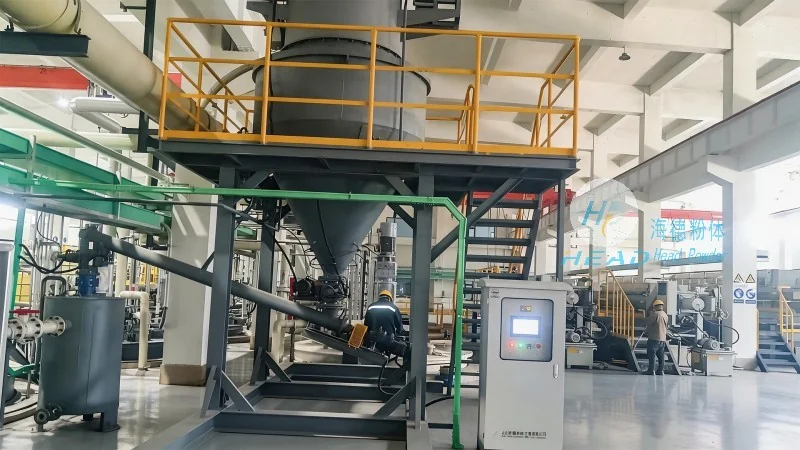
The design of a corn kernels pneumatic conveying system involves several critical components that work in tandem to ensure efficient material transport. The primary components include the air source (usually a blower or compressor), the material feed system (hopper or feeder), the conveying pipeline, and the separation or discharge equipment. The air source provides the necessary pressure and airflow to move the corn kernels through the system. The feed system ensures a consistent and controlled flow of material into the pipeline, preventing blockages and maintaining system efficiency. The pipeline design, including the diameter, length, and layout, is critical for minimizing pressure drop and ensuring smooth material transport. Separation equipment, such as cyclones or filters, is used to separate the corn kernels from the air stream at the discharge point, preventing dust and maintaining product purity.
Design Considerations for System Efficiency and Reliability
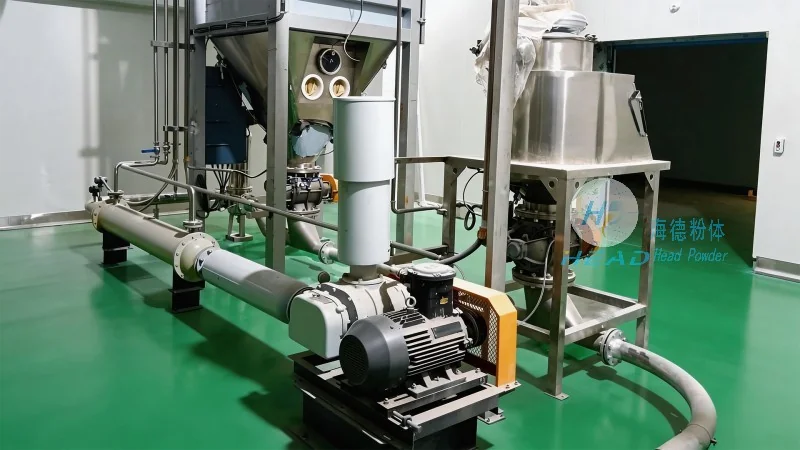
Efficiency and reliability are paramount when designing a corn kernels pneumatic conveying system. Several factors must be carefully evaluated to achieve optimal performance. First, the system's capacity and flow rate must match the production requirements. This involves calculating the required airflow and pressure based on the material's properties and the desired conveying distance. Second, the selection of the conveying type (dilute-phase or dense-phase) is a critical decision. Dilute-phase systems use higher air velocities and lower material concentrations, making them suitable for short distances and high flow rates. Dense-phase systems, on the other hand, use lower air velocities and higher material concentrations, which is ideal for longer distances and delicate materials like corn kernels, as it reduces product degradation and wear on equipment. Third, the system's energy consumption must be considered. Efficient air movers and optimized pipeline design can significantly reduce operational costs. Additionally, the system's maintenance requirements and durability are important factors, as corn kernels can be abrasive and may cause wear on components over time.
Integration of Advanced Technologies for Enhanced Performance
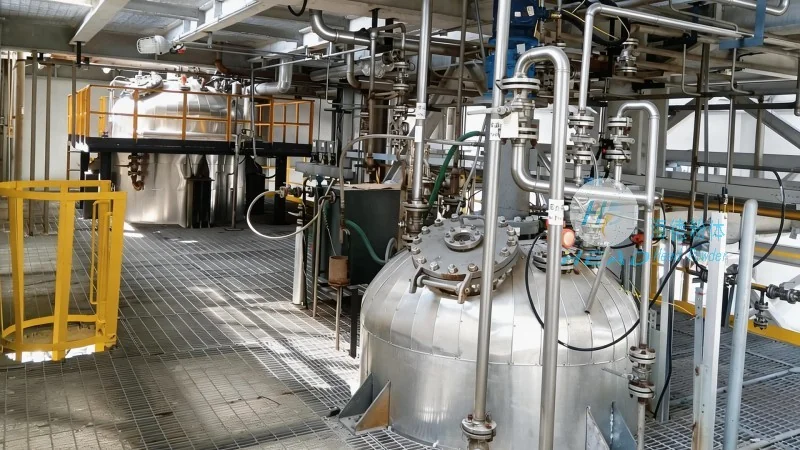
Modern corn kernels pneumatic conveying systems often incorporate advanced technologies to enhance performance and reliability. For example, variable frequency drives (VFDs) can be used to adjust the air flow and pressure based on the material feed rate, improving energy efficiency and reducing wear on equipment. Sensors and monitoring systems can provide real-time data on system performance, allowing for proactive maintenance and troubleshooting. Additionally, automated control systems can optimize the operation of the conveying system, ensuring consistent material flow and minimizing downtime. These technologies not only improve the system's performance but also contribute to a more sustainable and cost-effective operation.
Case Study: Successful Implementation of a Corn Kernels Pneumatic Conveying System by Shandong HeadPowder Engineering Co., Ltd.
Shandong HeadPowder Engineering Co., Ltd., a leading provider of engineering solutions for material handling, has successfully implemented a corn kernels pneumatic conveying system for a major corn processing facility. The system was designed to transport corn kernels from storage silos to processing equipment over a distance of 200 meters. The system utilized a dense-phase conveying approach to minimize product degradation and wear on equipment. The air source was a high-efficiency blower, and the pipeline was designed with a diameter of 200 mm to ensure smooth material flow. The feed system included a hopper with a rotary valve to control the material feed rate. The separation equipment consisted of a cyclone and a filter to remove dust and maintain product purity. The system's performance was evaluated based on several key metrics, including conveying capacity, pressure drop, and energy consumption. The results showed that the system achieved a conveying capacity of 50 tons per hour, with a pressure drop of 0.5 bar and an energy consumption of 0.8 kW per ton. The system has been in operation for over two years, with minimal maintenance and high reliability, demonstrating the effectiveness of the design.
Conclusion: Key Takeaways for Designing a Successful Corn Kernels Pneumatic Conveying System
Designing a reasonable corn kernels pneumatic conveying system requires a comprehensive understanding of the material properties, operational demands, and available technologies. By carefully evaluating the key components, design considerations, and advanced technologies, engineers can develop a system that meets the specific needs of the application while ensuring efficiency, reliability, and cost-effectiveness. The case study of Shandong HeadPowder Engineering Co., Ltd. highlights the importance of selecting the right conveying type, optimizing the system design, and incorporating advanced technologies to achieve successful results. For any corn processing facility, investing in a well-designed pneumatic conveying system is a critical step toward improving operational performance and maintaining product quality.