

How to Design a Rational Titanium Dioxide Pneumatic Conveying System
When it comes to handling titanium dioxide, a critical material in various industries, selecting the right pneumatic conveying system is essential for efficiency, safety, and cost-effectiveness. This guide outlines key considerations and steps for designing a well-structured titanium dioxide pneumatic conveying system, tailored to the specific needs of your operation.
Understanding the Core Requirements for Titanium Dioxide Pneumatic Conveying
Before diving into system design, it's crucial to assess the unique characteristics of titanium dioxide. This fine powder, widely used in pigments, coatings, and pharmaceuticals, demands specialized handling to prevent agglomeration, dust explosions, and material loss. Factors such as particle size, moisture content, and bulk density directly influence the choice of conveying method and equipment. For instance, fine powders like titanium dioxide often require high-pressure or dense-phase conveying to maintain flow and prevent blockages. Additionally, the system must comply with safety regulations, particularly regarding dust explosion prevention, which is a critical consideration in industrial applications.
Key Design Elements in a Titanium Dioxide Pneumatic Conveying System
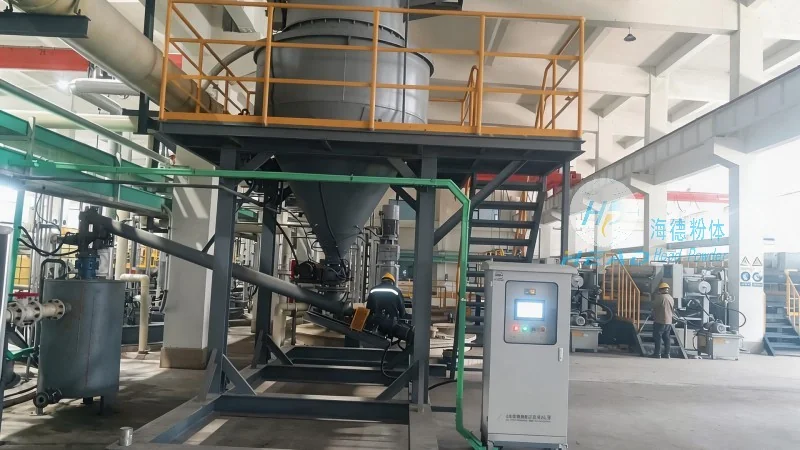
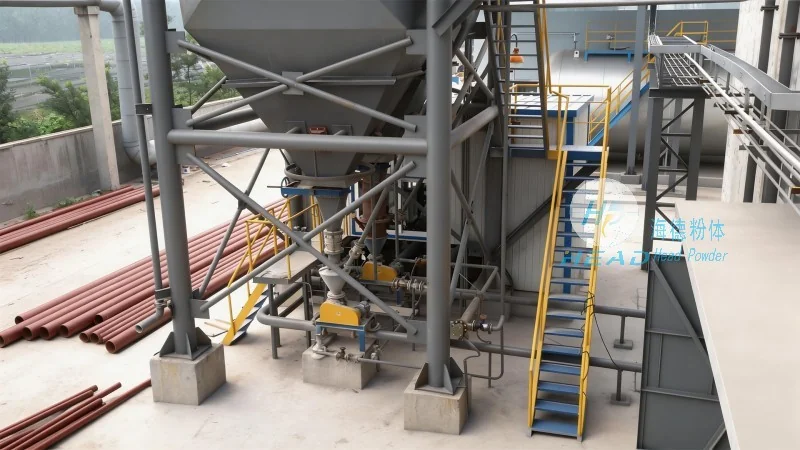
The foundation of an effective system lies in its components and their integration. A typical titanium dioxide pneumatic conveying system includes a hopper for material storage, a feeder to control flow rates, a conveying line (often with bends and filters), and a receiver for product collection. The choice of materials for these components is vital—stainless steel or corrosion-resistant alloys are common to prevent contamination and ensure durability, especially when dealing with reactive powders. The system's layout, including the distance between the hopper and receiver and the number of bends, impacts pressure drop and energy consumption. For example, minimizing the number of bends and using smooth, large-diameter pipes can reduce energy costs and improve system reliability. Furthermore, incorporating dust collection and filtration systems is essential to maintain air quality and comply with environmental regulations, as titanium dioxide dust can be hazardous if inhaled.
Optimizing System Performance and Efficiency
Designing a pneumatic conveying system for titanium dioxide involves balancing several performance metrics. Pressure drop is a key factor, as excessive pressure can lead to equipment wear and higher energy use. Engineers often use computational fluid dynamics (CFD) to model the system and predict pressure losses, allowing for adjustments to pipe diameter, material, and layout. Another critical aspect is the system's capacity, which must match the production rate of the titanium dioxide handling operation. Overloading the system can cause blockages and reduce efficiency, while underloading results in unnecessary energy consumption. Regular maintenance, such as cleaning filters and checking for leaks, is also essential to maintain optimal performance. By focusing on these aspects, a well-designed system can ensure consistent material flow, reduce downtime, and lower operational costs.
Ensuring Safety and Compliance in Titanium Dioxide Handling
Safety is paramount when handling titanium dioxide, a fine powder that poses inhalation risks and can trigger dust explosions under certain conditions. The pneumatic conveying system must incorporate multiple safety features, including explosion-proof designs, dust collection systems, and pressure relief valves. For instance, using inert gas or explosion-proof motors can prevent ignition sources in the system. Additionally, the system should be equipped with sensors to monitor pressure and temperature, triggering alarms or shutdowns if abnormal conditions arise. Compliance with local and international regulations, such as those from the Occupational Safety and Health Administration (OSHA) or the European Union's REACH directive, is mandatory. These regulations often require specific measures to control dust exposure and prevent environmental contamination. By prioritizing safety in the design phase, companies can protect their workers and avoid costly penalties.
Collaborating with Experts for System Design
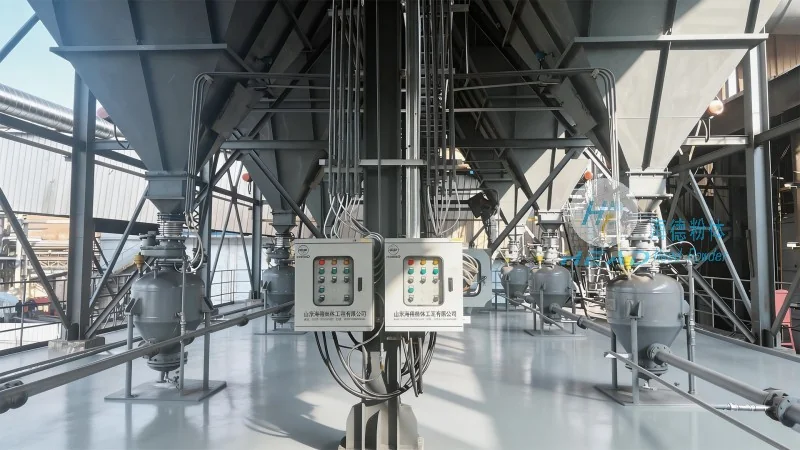
Designing a complex pneumatic conveying system for titanium dioxide requires specialized knowledge and experience. Partnering with a reputable engineering company, such as Shandong HeadPowder Engineering Co., Ltd. (headpowder), can provide significant advantages. These experts have extensive experience in handling fine powders and can offer tailored solutions that address the unique challenges of titanium dioxide. They typically conduct thorough site assessments, analyze material properties, and develop detailed system designs, including equipment selection and layout. Moreover, they can provide guidance on maintenance and troubleshooting, ensuring the system operates efficiently over its lifespan. By leveraging the expertise of such companies, businesses can minimize risks, optimize performance, and achieve long-term success in their titanium dioxide handling operations.