

How to Design a Reasonable Calcium Carbonate Stone Powder Pneumatic Conveying System Plan?
When it comes to the efficient and reliable transportation of calcium carbonate stone powder, the design of a pneumatic conveying system is a critical aspect of industrial operations. A well-designed system not only ensures the safe and efficient movement of the material but also minimizes operational costs and maintenance requirements. This article will explore the key considerations and steps involved in designing a pneumatic conveying system specifically for calcium carbonate stone powder, with a focus on the expertise of Shandong HeadPowder Engineering Co., Ltd., a leading provider in the field.
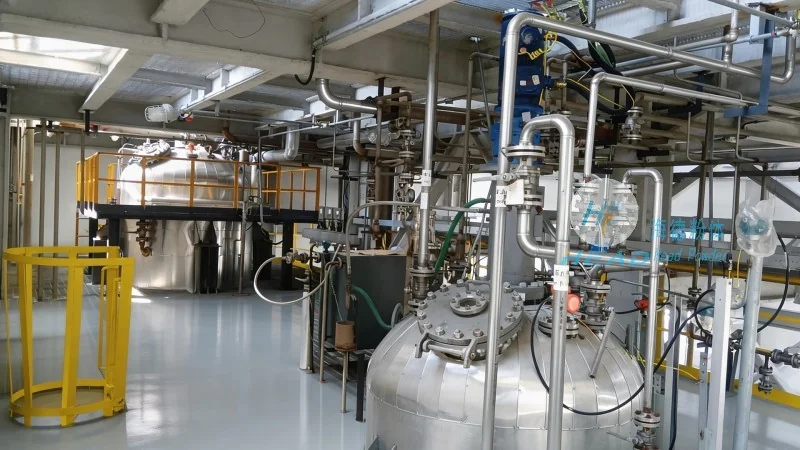
HeadPowder, as the company is commonly known, has extensive experience in engineering and manufacturing pneumatic conveying systems tailored to the unique properties of calcium carbonate stone powder. The company is headquartered in Shandong, China, and has built a reputation for delivering high-quality, customized solutions that meet the specific needs of clients in various industries, including chemical, food, and pharmaceutical sectors.
The first step in designing a pneumatic conveying system for calcium carbonate stone powder is to conduct a thorough analysis of the material characteristics. Calcium carbonate stone powder typically has a fine particle size, which can range from 1 to 200 microns, and a relatively low bulk density. These properties affect the system's design parameters, such as the required air velocity, pressure, and the type of conveying equipment. The material's flowability, cohesive properties, and potential for dust generation are also critical factors that must be considered to prevent blockages and ensure smooth operation.
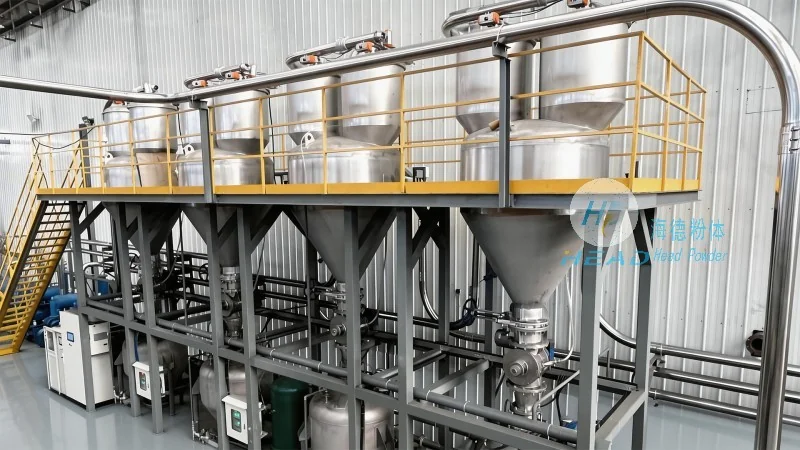
Once the material analysis is complete, the next step is to determine the system's layout and components. A typical pneumatic conveying system consists of several key parts: a material hopper or feeder, a conveying line (either positive or negative pressure), a filter or separator to remove dust from the air, and a discharge device. The choice of positive or negative pressure depends on the application and the distance the material needs to be conveyed. For longer distances or when transporting over obstacles, a positive pressure system (where air is blown through the line) is often preferred. Conversely, a negative pressure system (where air is sucked through the line) is suitable for shorter distances or when the material needs to be collected from multiple points.
The material hopper or feeder is responsible for feeding the calcium carbonate stone powder into the conveying line. It must be designed to handle the material's flow characteristics, preventing bridging or rat-holing. The feeder can be a rotary valve, a star feeder, or a screw feeder, depending on the material's properties and the required flow rate. The conveying line itself is usually made of stainless steel or other corrosion-resistant materials to withstand the abrasive nature of the calcium carbonate powder.
The air compressor or vacuum pump, which provides the necessary pressure or suction, is another critical component. The size and capacity of the compressor must be matched to the system's requirements to ensure sufficient air flow without excessive energy consumption. The filter or separator is essential for maintaining air quality and preventing dust from being released into the environment. It typically consists of a bag filter or a cyclone separator, depending on the dust load and the required efficiency.
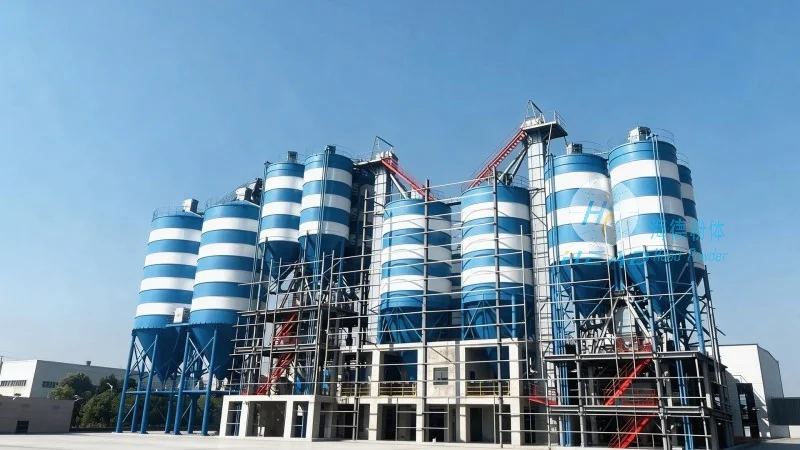
Another important consideration is the system's control and monitoring. Modern pneumatic conveying systems often include automated controls that regulate the flow rate, pressure, and air volume. This helps in maintaining consistent operation and preventing overloading or underloading of the system. Sensors can be installed to monitor the material level in the hopper, the pressure in the line, and the air flow rate, providing real-time data for system optimization.
Shandong HeadPowder Engineering Co., Ltd. employs a systematic approach to designing pneumatic conveying systems for calcium carbonate stone powder. The company's engineers work closely with clients to understand their specific requirements, including the material's properties, the distance to be conveyed, and the desired flow rate. Based on this information, they develop a customized system design that incorporates the latest technologies and best practices in the industry. The company's commitment to quality and customer satisfaction is reflected in the high reliability and efficiency of their systems, which have been successfully implemented in numerous projects worldwide.
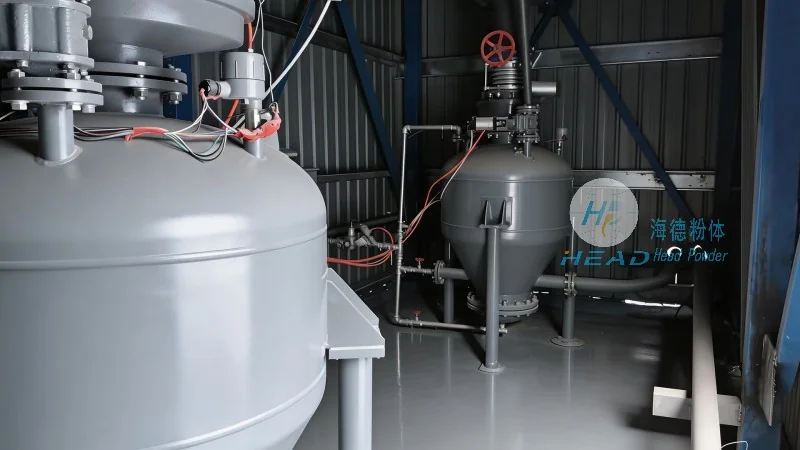
In conclusion, designing a pneumatic conveying system for calcium carbonate stone powder requires a comprehensive understanding of the material's properties and the system's components. By following a structured approach and leveraging the expertise of experienced providers like Shandong HeadPowder Engineering Co., Ltd., industrial operations can achieve efficient and reliable material transportation, reducing costs and improving overall productivity. The key to a successful system lies in proper material analysis, appropriate component selection, and thorough system testing and optimization.