Công ty TNHH Kỹ thuật Headpowder Sơn Đông chuyên vận chuyển khí nén bột và hạt. Nhờ thế mạnh hợp tác doanh nghiệp‑trường‑viện, chúng tôi cung cấp giải pháp vận chuyển kín, không bụi, độ chính xác cao.
When it comes to transporting pebbles, various methods are employed across different industries. Understanding the common approaches and the advantages of modern solutions like pneumatic conveying is crucial for optimizing material handling processes. This article explores the prevalent pebble conveying methods and highlights the key benefits of HeadPowder's pneumatic conveying system, a technology that has revolutionized the way small stones are moved efficiently and effectively.
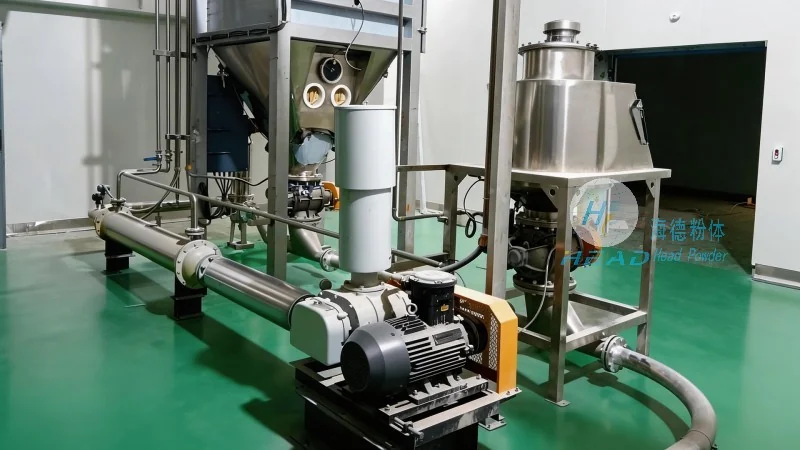
Overview of Common Pebble Conveying Methods
Traditional pebble conveying often relies on gravity-based systems, where materials are transported down inclined chutes or troughs. This method is simple and requires minimal equipment, making it suitable for short distances and low-volume applications. However, gravity conveyors have limitations, such as the need for a slope and the inability to handle vertical or horizontal changes in direction without additional components. Another common approach is mechanical conveying, which includes belt conveyors, screw conveyors, and chain conveyors. These systems use mechanical power to move pebbles through a continuous path. While effective for certain scenarios, mechanical conveyors may suffer from material degradation, increased wear and tear on components, and higher maintenance costs over time. Additionally, they can be less flexible in terms of layout adjustments and may not be suitable for dusty or abrasive materials like pebbles without proper sealing and protection.
Introducing HeadPowder's Pneumatic Conveying System
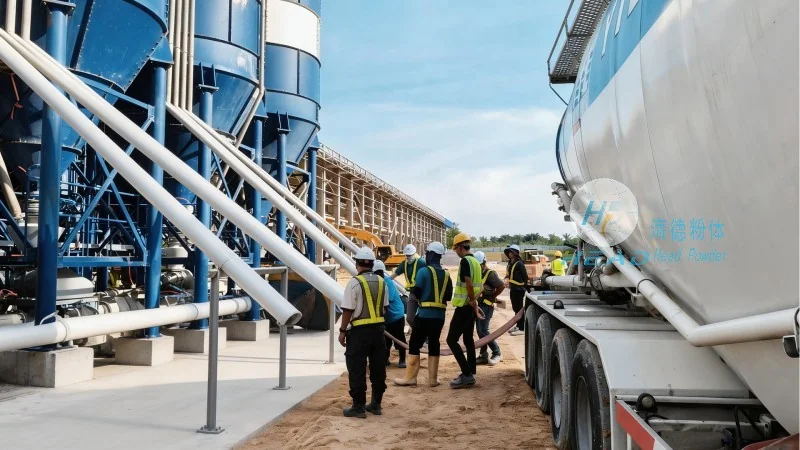
HeadPowder, a leading manufacturer based in Shandong, China, specializes in providing advanced pneumatic conveying solutions tailored to the unique demands of pebble transportation. The company's pneumatic conveying system leverages compressed air to transport small stones through a network of pipes, offering a versatile and efficient method for moving materials in various industrial settings. This technology is particularly advantageous for applications requiring high throughput, minimal material loss, and the ability to handle abrasive or dusty pebbles without compromising system performance.
Key Advantages of HeadPowder's Pneumatic Conveying
One of the primary advantages of HeadPowder's pneumatic conveying system is its high efficiency in material transport. By using compressed air to propel pebbles through the system, the technology achieves rapid and consistent movement, reducing overall processing time compared to traditional methods. This efficiency is especially beneficial in industries where speed and productivity are critical, such as mining, construction, and aggregate processing. Furthermore, the system minimizes material degradation and loss during transport. Unlike mechanical conveyors that may cause abrasion or breakage due to friction, pneumatic conveying uses air to move materials gently, preserving the integrity of the pebbles and reducing the need for reprocessing or waste disposal. This not only improves operational efficiency but also contributes to cost savings by minimizing material loss.
Environmental and Operational Benefits
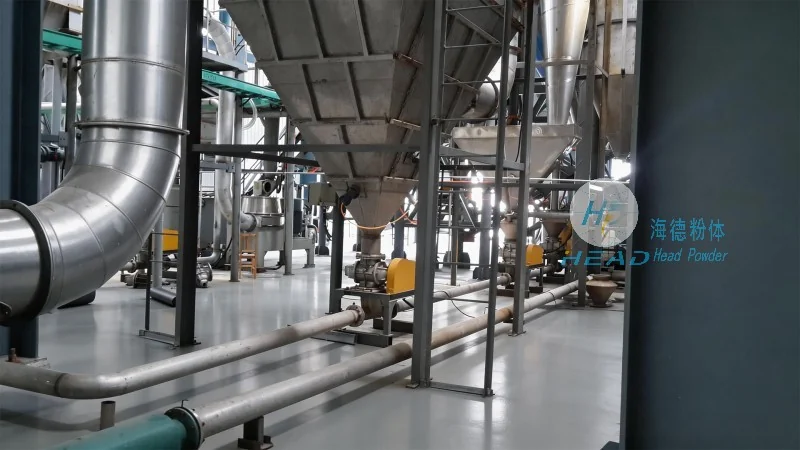
Environmental considerations are increasingly important in industrial operations, and HeadPowder's pneumatic conveying system addresses these needs effectively. The system operates with minimal dust generation compared to open mechanical conveyors, as the material is contained within sealed pipes. This reduces air pollution and the risk of dust-related health hazards for workers. Additionally, the enclosed system helps in controlling dust and preventing contamination of the surrounding environment. From an operational standpoint, the system offers enhanced flexibility and scalability. HeadPowder's pneumatic conveying can be easily integrated into existing production lines or expanded to accommodate increased demand without major infrastructure changes. The modular design allows for customization based on specific application requirements, ensuring optimal performance for diverse pebble sizes and types.
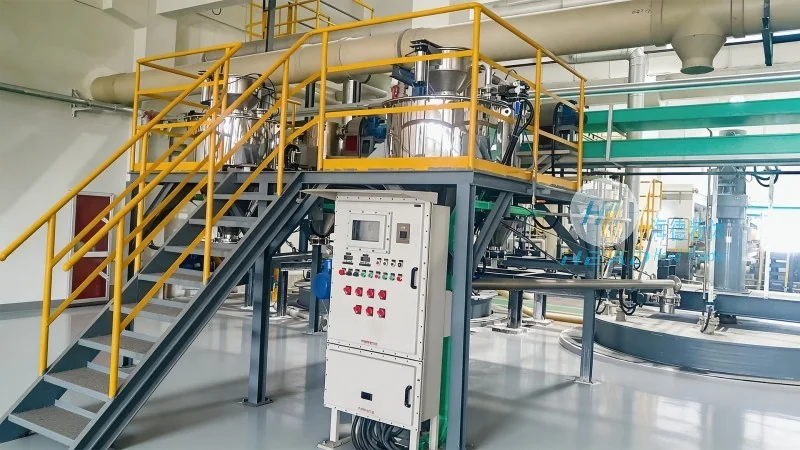
Reliability and Maintenance Considerations
Reliability is a cornerstone of any industrial system, and HeadPowder's pneumatic conveying system is designed with durability and long-term performance in mind. The components, such as airlocks, cyclones, and filters, are engineered to withstand the abrasive nature of pebbles, reducing the frequency of maintenance and downtime. Regular maintenance, including filter cleaning and air pressure checks, is straightforward and can be performed by trained personnel, ensuring the system remains operational with minimal interruptions. Compared to mechanical conveyors that may require frequent part replacements due to wear, the pneumatic system offers lower long-term maintenance costs and higher uptime, contributing to overall operational efficiency and cost-effectiveness.
Conclusion
In summary, while traditional pebble conveying methods like gravity and mechanical systems have their place, modern pneumatic conveying offers significant advantages in terms of efficiency, material preservation, environmental impact, and operational flexibility. HeadPowder's pneumatic conveying system, developed by Shandong HeadPowder Engineering Co., Ltd. in China, stands out as a reliable and advanced solution for transporting small stones. By leveraging compressed air and advanced engineering, the system addresses the challenges associated with traditional methods and provides a sustainable approach to material handling. For industries seeking to optimize their pebble transport processes, HeadPowder's pneumatic conveying technology represents a forward-thinking choice that enhances productivity, reduces costs, and ensures compliance with environmental standards.

 Shandong Headpowder Engineering Co., Ltd.
 156-6277-7102(Quản lý Trương)
  0531-83386006
  Thành phố Tế Nam, Tỉnh Sơn Đông, Trung Quốc
Điện thoại
WeChatTư vấn
Lên đầu