

Types of Lightweight Aggregate Conveying Methods
Lightweight aggregates, such as expanded clay, perlite, and vermiculite, are widely used in construction and industrial applications due to their low density and excellent thermal insulation properties. Efficient and reliable conveying of these materials is crucial for maintaining production efficiency and ensuring consistent quality in processing operations. This article explores various methods and technologies used for transporting lightweight aggregates, with a focus on the solutions provided by Shandong HeadPowder Engineering Co., Ltd., a leading manufacturer in the field.
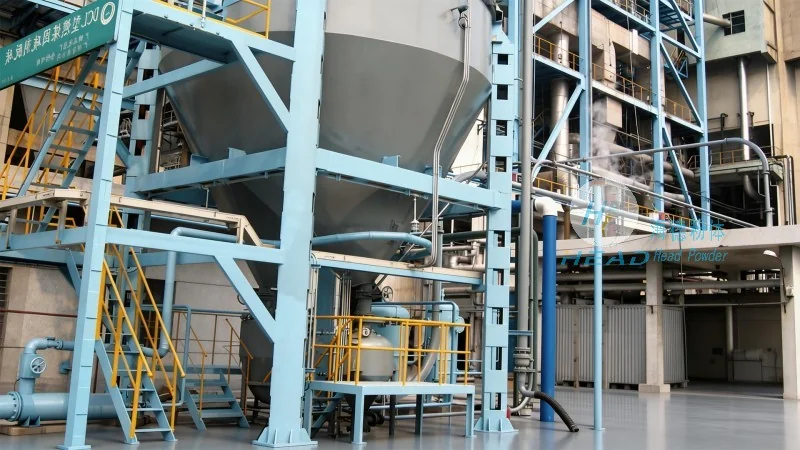
Key Considerations for Lightweight Aggregate Conveying
Before discussing specific conveying methods, it is essential to understand the unique characteristics of lightweight aggregates that influence the choice of transport equipment. These materials typically have a low bulk density, which can lead to issues like uneven flow, bridging, and segregation during handling. Additionally, many lightweight aggregates are sensitive to moisture and can be easily damaged by abrasive or high-impact equipment. Therefore, the conveying system must be designed to minimize material degradation, prevent contamination, and ensure smooth, continuous operation.
Common Conveying Methods for Lightweight Aggregates
Several types of equipment are commonly used for transporting lightweight aggregates, each with its own advantages and limitations. The selection of a suitable method depends on factors such as material properties, production scale, space availability, and the required level of automation. Below are some of the most prevalent conveying solutions:
Screw Conveyors (Auger Conveyors)
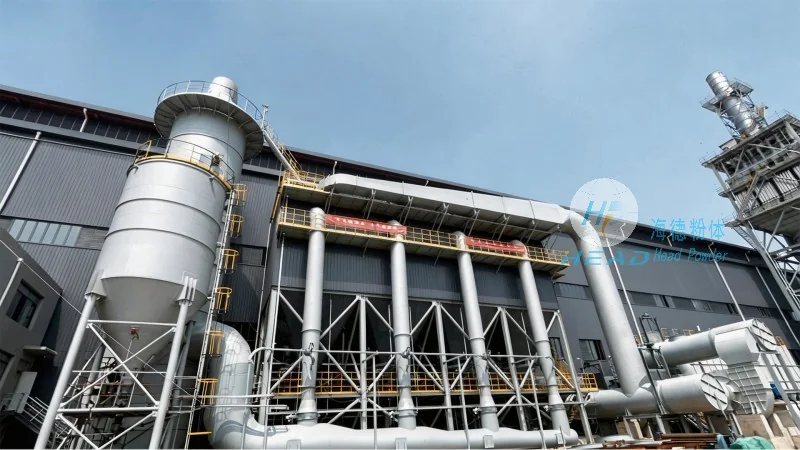
Screw conveyors are one of the most versatile and widely used systems for transporting lightweight aggregates. These equipment consist of a rotating helical screw inside a trough or tube, which moves material forward through the system. Screw conveyors are particularly effective for handling dry, free-flowing materials like expanded clay and perlite, as they can maintain a consistent flow rate and prevent material bridging. The design of the screw, including its pitch and diameter, can be customized to accommodate different material characteristics and throughput requirements. For instance, a low-pitch screw is suitable for materials with poor flowability, while a high-pitch screw can handle free-flowing aggregates at higher speeds. Shandong HeadPowder Engineering Co., Ltd. offers screw conveyors specifically engineered for lightweight aggregates, featuring corrosion-resistant materials and adjustable speed controls to optimize performance.
Air-Flow (Pneumatic) Conveying Systems
Air-flow or pneumatic conveying systems use compressed air to transport lightweight aggregates in a closed pipeline. This method is ideal for applications requiring dust-free and contamination-free transport, as the material is enclosed within the system. Pneumatic conveyors are particularly effective for handling fine or powdery lightweight aggregates, such as vermiculite, which can be easily entrained in the air stream. There are two main types of pneumatic conveying: pressure and vacuum systems. Pressure systems use positive pressure to push material through the pipeline, while vacuum systems use negative pressure to pull material from the source. The choice between the two depends on the distance and elevation changes required for transport. Pneumatic systems are also suitable for long-distance transport and can be integrated with other processing equipment, such as classifiers or mixers. However, they require higher energy input compared to mechanical conveyors and may be less efficient for very low-density materials.
Belt Conveyors
Belt conveyors are another common option for transporting lightweight aggregates, especially in bulk handling applications. These systems consist of a continuous belt that moves over rollers or pulleys, carrying the material from one location to another. Belt conveyors are capable of handling large volumes of material and can be configured with multiple sections and inclines to suit complex layouts. They are particularly effective for horizontal or slightly inclined transport, as the material is supported by the belt and does not come into direct contact with the conveyor structure. This reduces the risk of material degradation and ensures a smooth flow. Belt conveyors can be equipped with special features, such as load cells for weight measurement and cleaning mechanisms to prevent material buildup. Shandong HeadPowder Engineering Co., Ltd. provides belt conveyor solutions tailored for lightweight aggregates, with options for variable speed drives and anti-static coatings to enhance performance and safety.
Bucket Elevators
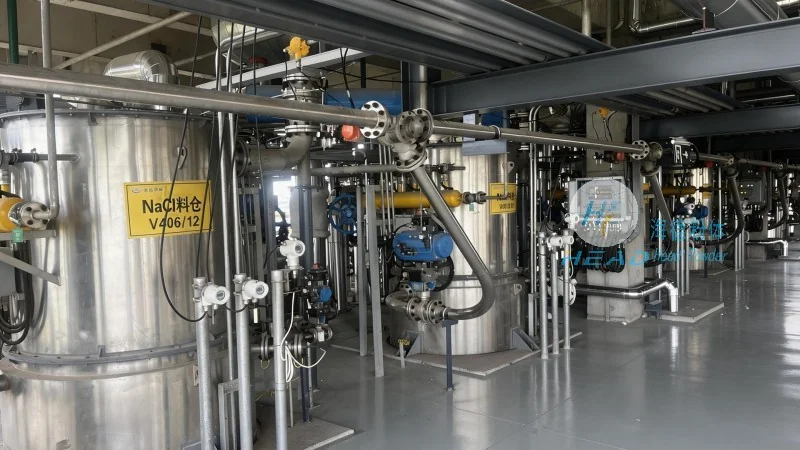
Bucket elevators are vertical or inclined conveyor systems that use a series of buckets attached to a chain or belt to lift and transport lightweight aggregates. These equipment are highly efficient for vertical transport and can handle materials with high moisture content or sticky properties, as the buckets lift the material in discrete portions, preventing slippage and segregation. Bucket elevators are commonly used in feed mills and industrial plants where vertical movement is necessary. The design of the buckets, including their shape and spacing, can be optimized to minimize material spillage and ensure smooth discharge. However, bucket elevators require more maintenance than other systems and may be less suitable for very low-density materials that could cause the buckets to become overloaded or inefficient. Shandong HeadPowder Engineering Co., Ltd. manufactures bucket elevators specifically for lightweight aggregates, featuring durable materials and adjustable bucket spacing to accommodate different material characteristics.
Combination Systems
In many industrial applications, a single conveying method may not be sufficient to meet all the requirements. Therefore, combination systems that integrate multiple technologies are often used for transporting lightweight aggregates. For example, a screw conveyor may be used to feed a pneumatic conveying system, or a belt conveyor may be combined with a bucket elevator for vertical transport. These hybrid systems offer greater flexibility and can handle a wider range of material types and flow rates. Combination systems are particularly useful in large-scale production facilities where multiple processing steps are involved. Shandong HeadPowder Engineering Co., Ltd. specializes in designing and manufacturing custom combination systems tailored to the specific needs of each client, ensuring optimal performance and efficiency.