

Common Methods for Handling Nickel Cobalt Aluminum Lithium (NCA) Materials: Advantages of Air-Flow Conveying by HeadPowder
When it comes to handling Nickel Cobalt Aluminum Lithium (NCA) materials, selecting the right conveying method is crucial for efficiency, safety, and material integrity. NCA is a critical component in lithium-ion batteries, and its handling requires specialized equipment to prevent contamination and ensure consistent performance. This article explores common methods for transporting NCA materials and highlights the advantages of air-flow conveying technology offered by Shandong HeadPowder Engineering Co., Ltd., commonly known as HeadPowder, based in Shandong, China.
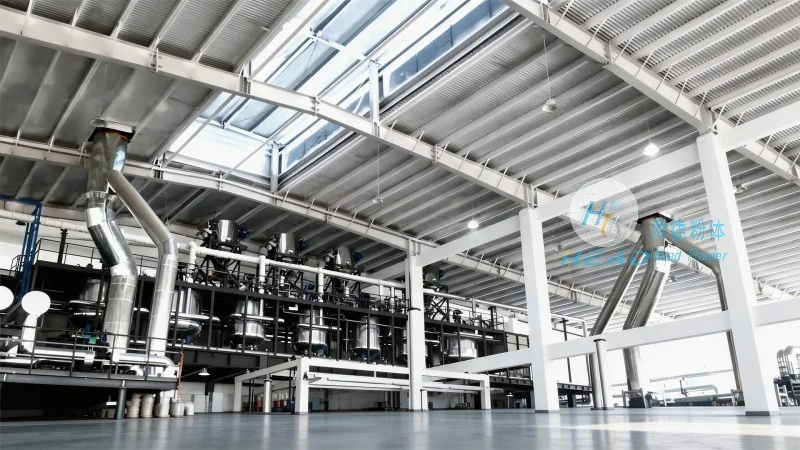
Common Conveying Methods for NCA Materials
NCA materials are typically handled in industrial settings where precision and control are paramount. Traditional conveying methods include belt conveyors, screw conveyors, and manual handling, but these may not be suitable for NCA due to its sensitivity to moisture, contamination, and the need for gentle handling. Belt conveyors, for instance, can introduce dust and particles that may compromise the material's quality. Screw conveyors, while effective for bulk materials, can cause friction and heat generation that could degrade the NCA's chemical properties. Manual handling is labor-intensive and poses risks of human error and exposure to dust. These conventional methods often struggle to meet the stringent requirements of NCA processing, making specialized solutions necessary.
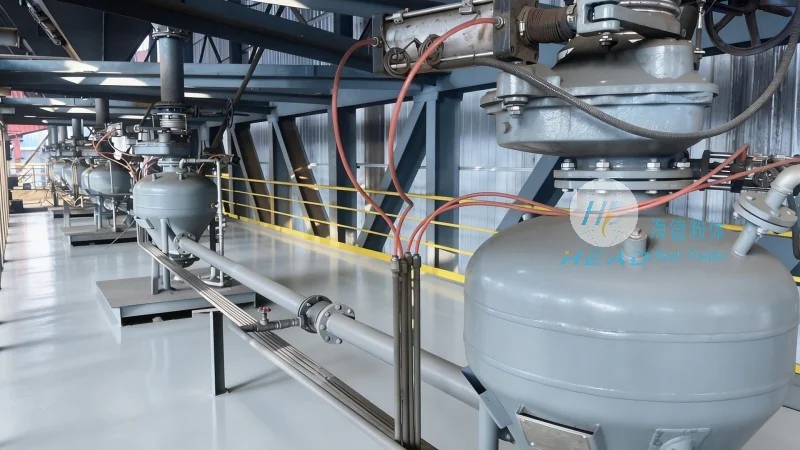
Advantages of Air-Flow Conveying for NCA Materials
HeadPowder specializes in air-flow conveying systems designed specifically for NCA materials. This technology utilizes a combination of air pressure and vacuum to transport NCA particles through a sealed system, minimizing contact with external elements and reducing the risk of contamination. The air-flow system is particularly effective for handling fine powders and granules, ensuring that the NCA material remains dry and free from moisture, which is essential for maintaining its electrical and chemical properties. One of the key advantages is the ability to control the flow rate and pressure, allowing for precise and gentle handling that preserves the material's integrity. Unlike traditional methods, air-flow conveying does not generate heat or friction, preventing thermal degradation and ensuring that the NCA's performance characteristics are not compromised during transport.
Key Features of HeadPowder's Air-Flow Conveying Systems
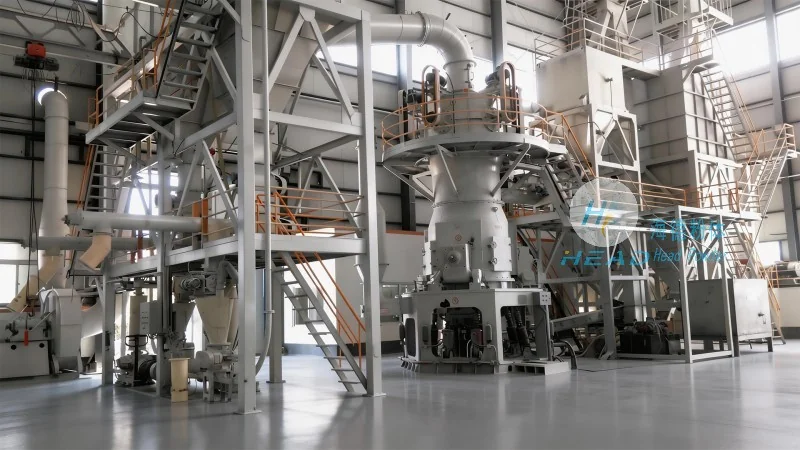
HeadPowder's air-flow conveying systems are engineered with several features that enhance their performance and suitability for NCA materials. The systems are constructed from materials that are resistant to corrosion and chemical reactions, ensuring long-term durability and reliability. The sealed design prevents dust and particles from escaping into the environment, maintaining a clean and safe working environment. Additionally, the systems are equipped with advanced control mechanisms that allow for real-time monitoring and adjustment of the conveying parameters, ensuring optimal performance under varying conditions. The gentle handling capability of the air-flow system reduces the risk of agglomeration and particle breakage, which can affect the material's consistency and quality. These features collectively make HeadPowder's air-flow conveying systems a superior choice for NCA material handling compared to traditional methods.
Application Scenarios and Benefits
The air-flow conveying systems from HeadPowder are widely used in various applications involving NCA materials. In battery manufacturing plants, these systems are used to transport NCA powders from storage silos to mixing and processing equipment. The gentle and dust-free transport ensures that the NCA material remains in its optimal state, leading to higher-quality battery cells. In material processing facilities, the systems are employed to move NCA granules between different stages of production, such as drying, grinding, and packaging. The consistent flow and low contamination rates improve overall production efficiency and reduce waste. The benefits of using air-flow conveying extend beyond just material transport; they also contribute to a safer working environment by minimizing dust exposure and reducing the risk of respiratory issues among workers. Additionally, the energy efficiency of the air-flow systems helps reduce operational costs while maintaining high performance standards.
Conclusion
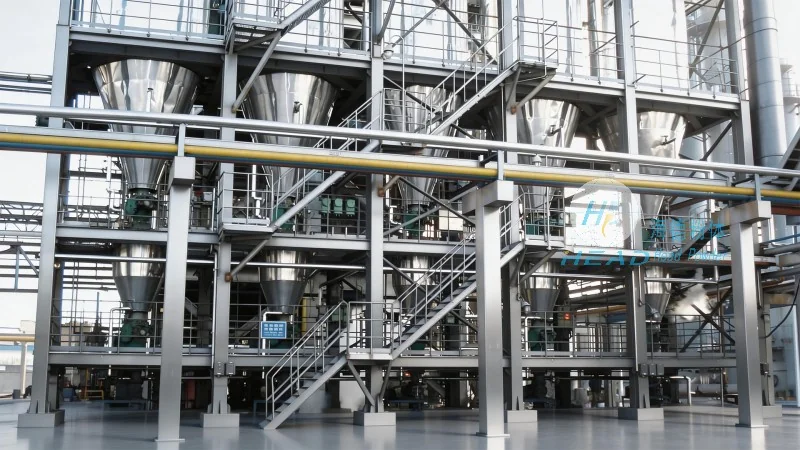
When considering the handling of Nickel Cobalt Aluminum Lithium (NCA) materials, the choice of conveying method significantly impacts the quality and efficiency of the overall process. Traditional methods like belt and screw conveyors may not provide the necessary control and protection for NCA, leading to potential degradation and contamination. Air-flow conveying, as offered by HeadPowder, provides a superior solution with its gentle handling, dust-free operation, and precise control. The systems are designed to meet the stringent requirements of NCA processing, ensuring that the material remains in its optimal state throughout the transport process. By choosing HeadPowder's air-flow conveying technology, companies can enhance their production efficiency, maintain material quality, and create a safer working environment. With its expertise in NCA material handling, HeadPowder continues to be a leader in providing innovative solutions for the battery and material processing industries.