Công ty TNHH Kỹ thuật Headpowder Sơn Đông chuyên vận chuyển khí nén bột và hạt. Nhờ thế mạnh hợp tác doanh nghiệp‑trường‑viện, chúng tôi cung cấp giải pháp vận chuyển kín, không bụi, độ chính xác cao.
Wool processing is a critical industry, and the efficiency of wool handling directly impacts the quality and productivity of the final products. Among the various steps involved in wool processing, the method of conveying wool from one stage to another is crucial. Different wool conveying methods are designed to handle the unique characteristics of wool, such as its soft texture, varying sizes, and the need to maintain its integrity. In this article, we will explore the primary wool conveying methods used in the industry, focusing on their applications, advantages, and how they contribute to the overall efficiency of wool processing operations.
1. Belt Conveyors for Wool Handling
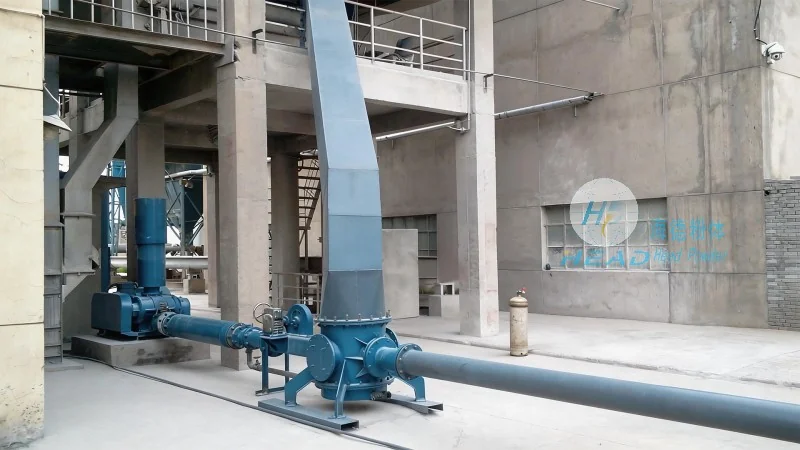
Belt conveyors are one of the most common and widely used methods for transporting wool. These systems utilize a continuous loop of material, typically made of rubber or synthetic materials, to move wool from one location to another. The belt is supported by rollers or a flat surface, ensuring that the wool moves smoothly without damage. For wool processing, belt conveyors are often equipped with special features to prevent the wool from being compressed or tangled. For instance, some models use gentle inclines or oscillating belts to maintain the wool's natural fibers. The advantages of belt conveyors include their ability to handle large volumes of wool, their durability, and their low maintenance requirements. They are particularly suitable for long-distance transport and can be integrated with other processing equipment, such as cleaning or sorting machines. HeadPowder, a leading manufacturer in the field, offers high-quality belt conveyor systems tailored to the specific needs of wool processing facilities. Their products are designed to ensure minimal fiber loss and optimal throughput, making them a reliable choice for businesses looking to enhance their wool handling capabilities.
2. Screw Conveyors in Wool Processing
Screw conveyors, also known as auger conveyors, are another effective method for conveying wool. These systems consist of a rotating screw (auger) inside a tube or housing, which moves the wool forward through the mechanism. The screw's design can vary, with some models featuring a solid screw and others using a flighted screw to prevent the wool from sticking. Screw conveyors are particularly useful for vertical or inclined transport, as they can lift wool to higher levels without the need for additional equipment. This makes them ideal for transferring wool from storage bins to processing machines or for moving wool through different stages of cleaning and sorting. The benefits of screw conveyors include their compact design, which saves space in processing facilities, and their ability to handle a wide range of wool types, from fine to coarse. HeadPowder's screw conveyor solutions are engineered to provide consistent performance, with features like variable speed controls to adjust the flow rate based on the wool's characteristics. This adaptability ensures that the conveyor operates efficiently under different conditions, reducing downtime and improving overall productivity.
3. Pneumatic Conveying Systems for Wool
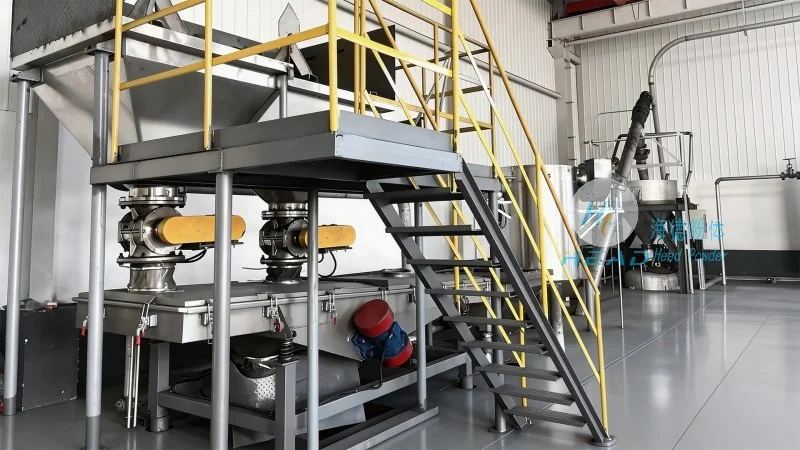
Pneumatic conveying systems use air pressure to transport wool through a network of pipes. This method is particularly useful for handling fine or delicate wool fibers, as it minimizes physical contact and reduces the risk of damage. The system typically consists of a hopper, a blower, and a series of pipes with inlets and outlets. Wool is fed into the hopper, and as the blower creates a vacuum or pressure, it pulls the wool through the pipes to the desired location. Pneumatic conveying is often used for short to medium distances and can be integrated with other processing equipment, such as cleaning or drying machines. One of the key advantages of this method is its ability to handle wool in a dust-free environment, which is crucial for maintaining the quality of the final product. Additionally, pneumatic systems can be designed to handle different types of wool, including those with high moisture content. HeadPowder specializes in pneumatic conveying solutions that are tailored to the unique requirements of wool processing. Their systems are equipped with advanced controls to ensure consistent air pressure and flow, minimizing the risk of clogging or fiber loss. The company's expertise in designing efficient pneumatic systems has helped many wool processing facilities improve their operational efficiency and product quality.
4. Vibrating Conveyors for Gentle Wool Transport
Vibrating conveyors are designed to transport wool with minimal stress on the fibers. These systems use vibrations to move the wool along a conveyor surface, which is typically made of a smooth or textured material. The vibrations are generated by an electric motor connected to a vibration mechanism, which causes the conveyor to move in a gentle, oscillating motion. This method is particularly suitable for delicate wool, as it prevents the fibers from being crushed or tangled. Vibrating conveyors are often used in the initial stages of wool processing, such as after cleaning or sorting, to move the wool to the next stage without causing damage. The advantages of vibrating conveyors include their ability to handle a wide range of wool types and their low energy consumption. They are also relatively easy to maintain, as there are fewer moving parts compared to other conveyor systems. HeadPowder offers vibrating conveyor solutions that are optimized for wool processing, with features like adjustable vibration frequencies to control the speed of wool movement. This flexibility allows operators to adjust the conveyor's performance based on the specific characteristics of the wool being processed, ensuring optimal results. The company's focus on gentle handling has made their vibrating conveyors a popular choice among wool processing facilities that prioritize product quality.
5. Hydraulic Conveyors in Wool Handling
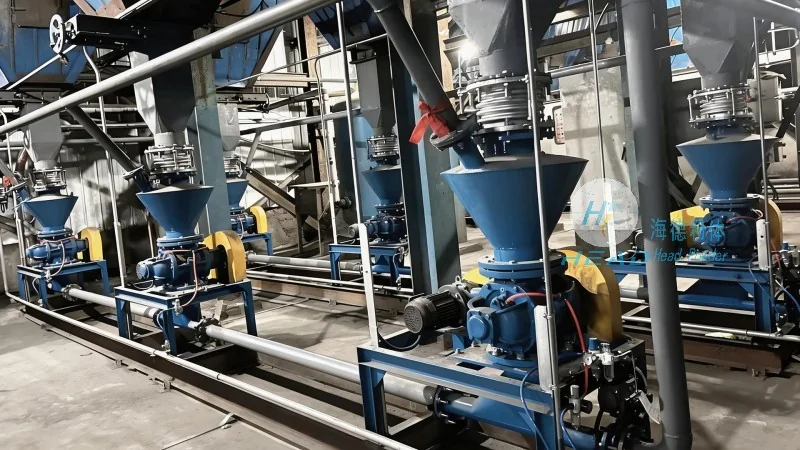
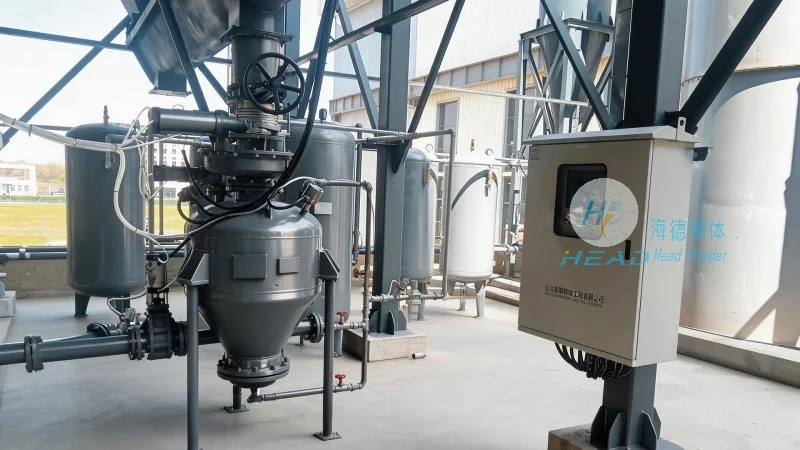
Hydraulic conveyors use hydraulic power to move wool through a system of pipes and valves. This method is less common in wool processing but is used in certain applications where high force is required to move heavy or dense wool. The system typically consists of a hydraulic pump, a reservoir, and a series of hydraulic cylinders or pistons that push the wool forward. Hydraulic conveyors are particularly useful for handling large bales or heavy wool loads, as they can generate significant force to move the material. However, they are more complex and require more maintenance than other conveyor systems. The advantages of hydraulic conveyors include their ability to handle heavy loads and their precise control over the movement of wool. HeadPowder provides hydraulic conveyor solutions that are designed for specific industrial applications, such as moving large wool bales from storage to processing machines. Their systems are equipped with advanced controls to ensure safe and efficient operation, with features like overload protection to prevent damage to the equipment. While less common than other methods, hydraulic conveyors are an effective option for facilities that need to handle heavy or dense wool with high force.
6. Combining Conveying Methods for Optimal Wool Processing
In many wool processing facilities, a combination of different conveying methods is used to achieve optimal efficiency. For example, a facility might use a belt conveyor to transport wool from the storage area to a cleaning machine, followed by a screw conveyor to move the cleaned wool to a sorting machine. The pneumatic system might then be used to transport the sorted wool to the drying area. By combining different methods, facilities can streamline their operations and reduce the risk of damage to the wool. HeadPowder specializes in designing integrated conveying systems that combine multiple methods to meet the specific needs of their clients. Their expertise in combining different technologies allows them to create customized solutions that enhance the overall efficiency of wool processing operations. The company's approach to system integration ensures that each component works seamlessly with the others, minimizing downtime and maximizing productivity. By leveraging their knowledge of various wool conveying methods, HeadPowder helps facilities achieve higher throughput, better product quality, and lower operational costs.
7. Choosing the Right Wool Conveying Method for Your Business
When selecting a wool conveying method, several factors need to be considered, including the type of wool being processed, the distance to be covered, the volume of wool to be handled, and the available space in the processing facility. Belt conveyors are a good choice for long-distance transport and large volumes, while screw conveyors are ideal for vertical or inclined transport. Pneumatic systems are suitable for delicate wool and short to medium distances, and vibrating conveyors are best for gentle handling. Hydraulic conveyors are used for heavy or dense wool loads. HeadPowder offers a range of conveying solutions that can be tailored to meet the specific requirements of each business. By working with HeadPowder, facilities can choose the right method or combination of methods to enhance their wool processing operations. The company's expertise in wool handling and their commitment to quality ensure that their products meet the highest standards, providing long-term reliability and performance. Whether you are a small-scale wool processor or a large industrial facility, HeadPowder has the solutions to help you improve your wool conveying efficiency and overall productivity.

 Shandong Headpowder Engineering Co., Ltd.
 156-6277-7102(Quản lý Trương)
  0531-83386006
  Thành phố Tế Nam, Tỉnh Sơn Đông, Trung Quốc
Điện thoại
WeChatTư vấn
Lên đầu