Công ty TNHH Kỹ thuật Headpowder Sơn Đông chuyên vận chuyển khí nén bột và hạt. Nhờ thế mạnh hợp tác doanh nghiệp‑trường‑viện, chúng tôi cung cấp giải pháp vận chuyển kín, không bụi, độ chính xác cao.
When discussing the efficient handling of bran, understanding the various conveying methods is crucial for optimizing industrial processes. As a leading manufacturer in the field, Shandong HeadPowder Engineering Co., Ltd. specializes in providing reliable solutions tailored to the unique needs of bran processing operations. This article explores the different types of bran conveying methods, highlighting their applications and benefits.
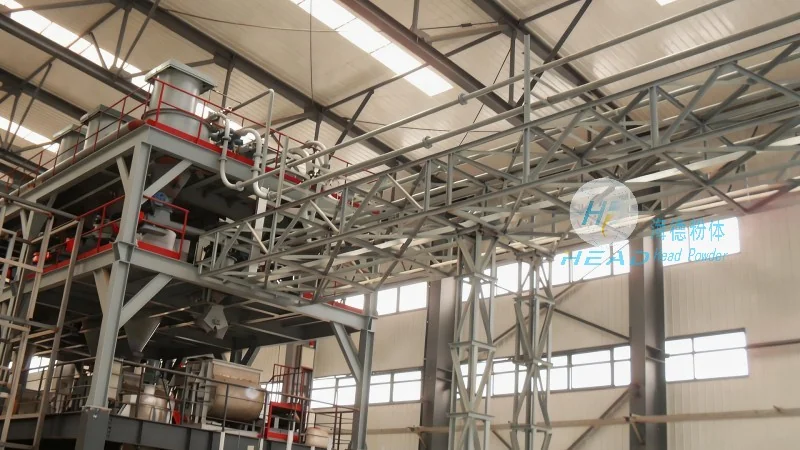
Key Factors to Consider in Bran Conveying
Before delving into specific conveying methods, it's essential to consider several factors that influence the choice of system. These include the physical properties of the bran, such as particle size, moisture content, and bulk density, as well as the operational requirements like distance, speed, and environmental conditions. The choice of conveying method should align with these factors to ensure optimal performance and minimal downtime.
Types of Bran Conveying Methods
Bran conveying can be achieved through several mechanisms, each with its own advantages and suitable applications. The primary methods include pneumatic conveying, mechanical conveying, and hybrid systems. Each method is designed to address specific challenges in bran handling, from short-distance transport to long-distance and high-volume operations.
Pneumatic Conveying Systems
Pneumatic conveying uses air or other gases to transport bran particles through a pipeline. This method is highly effective for both dry and slightly moist bran, offering flexibility in system design and the ability to handle bran with varying particle sizes. There are two main types of pneumatic conveying: pressure and vacuum systems. Pressure systems are ideal for short to medium distances, while vacuum systems are better suited for longer distances or when bran needs to be collected from multiple points.
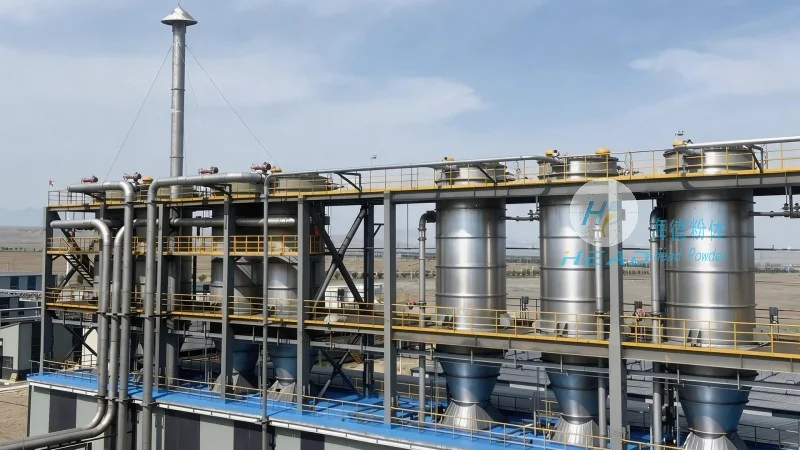
For instance, in a typical pressure system, bran is fed into a hopper and then transported by compressed air through a pipeline. The system can handle bran with a bulk density of 0.4 to 0.6 g/cm³, making it suitable for many industrial applications. Vacuum systems, on the other hand, use a vacuum pump to draw bran into the pipeline, which is particularly useful for collecting bran from multiple sources or for transporting bran over longer distances without the need for high-pressure air.
Mechanical Conveying Systems
Mechanical conveying relies on mechanical components such as belts, screws, and buckets to move bran. These systems are generally more cost-effective for short to medium distances and are particularly suitable for bran with higher moisture content or larger particle sizes. The most common types of mechanical conveyors include belt conveyors, screw conveyors, and bucket elevators.
Belt conveyors use a continuous belt to transport bran horizontally or at a slight incline. They are ideal for transporting bran over long distances and can handle high volumes of material. Screw conveyors, also known as auger conveyors, use a rotating screw to push bran forward. This method is effective for vertical or inclined transport and is commonly used in bran processing plants for feeding and discharging operations.
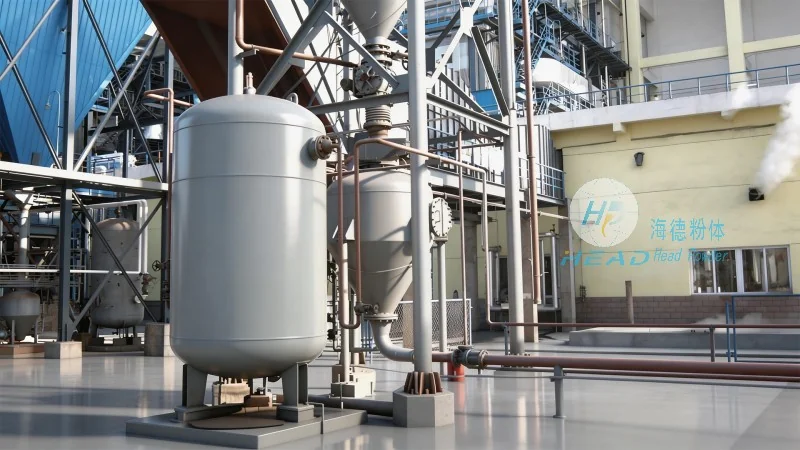
Bucket elevators, on the other hand, use a series of buckets attached to a chain or belt to lift bran vertically. They are highly efficient for vertical transport and can handle bran with a wide range of particle sizes. However, they may require more maintenance compared to other mechanical systems and are best suited for applications where vertical space is limited.
Hybrid Conveying Systems
Hybrid systems combine pneumatic and mechanical conveying methods to leverage the benefits of both approaches. These systems are particularly useful when bran needs to be transported over long distances while maintaining high efficiency and minimal material degradation. For example, a hybrid system might use a pneumatic conveyor for the initial transport from the bran collection point to a central processing area, followed by a mechanical conveyor for the final delivery to the storage or processing unit.
Hybrid systems offer flexibility in handling bran with varying properties and can adapt to changes in operational conditions. They are often used in large-scale bran processing facilities where efficiency and reliability are critical. By integrating both pneumatic and mechanical components, these systems can optimize the overall conveying process, reducing energy consumption and improving material throughput.
Choosing the Right Bran Conveying Method
Selecting the appropriate bran conveying method requires a thorough analysis of the specific requirements of the bran processing operation. Factors such as the distance to be covered, the volume of bran to be transported, the physical properties of the bran, and the available space and budget all play a role in the decision-making process. Consulting with a specialized manufacturer like Shandong HeadPowder Engineering Co., Ltd. can provide valuable insights and help in selecting the most suitable conveying system.
For instance, if the bran processing plant is located in a region with high humidity and the bran has a high moisture content, a mechanical conveyor might be preferred over a pneumatic system to avoid material degradation. Conversely, if the plant needs to transport bran over long distances with minimal material loss, a hybrid system could be the best choice. The key is to balance the operational needs with the cost and maintenance requirements of the system.

 Shandong Headpowder Engineering Co., Ltd.
 156-6277-7102(Quản lý Trương)
  0531-83386006
  Thành phố Tế Nam, Tỉnh Sơn Đông, Trung Quốc
Điện thoại
WeChatTư vấn
Lên đầu