

[Foam Conveying Methods: An Overview]
Foam conveying is a specialized technique used in various industrial applications to transport bulk materials efficiently. This method involves creating a foam mixture, typically by blending air or gas with a liquid carrier, and then using the resulting foam to move solids through a pipeline or conveyor system. The process offers several advantages, including reduced material degradation, lower energy consumption compared to traditional dry conveying, and the ability to handle fine or abrasive materials that might be difficult to transport using conventional methods. As a result, foam conveying has become an increasingly popular solution in sectors such as mining, chemical processing, and food processing.
Key Components of Foam Conveying Systems
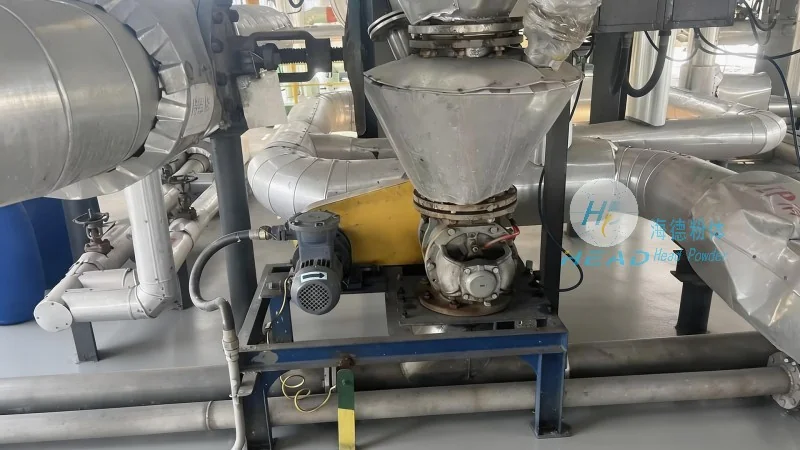
At the core of any foam conveying system are several critical components that work together to ensure effective material transport. The primary components include a foam generator, which mixes air or gas with a liquid (often water or a specialized solution) to create the foam; a pump or pressure system to deliver the foam mixture to the conveying line; and a pipeline or hose that transports the foam and material to the destination. Additionally, a foam breaker or separator may be used at the end of the line to separate the foam from the conveyed material, allowing for proper disposal or reuse of the liquid component. The efficiency of the system depends on the proper selection and integration of these components, as well as the maintenance of consistent foam quality throughout the process.
Types of Foam Conveying Methods
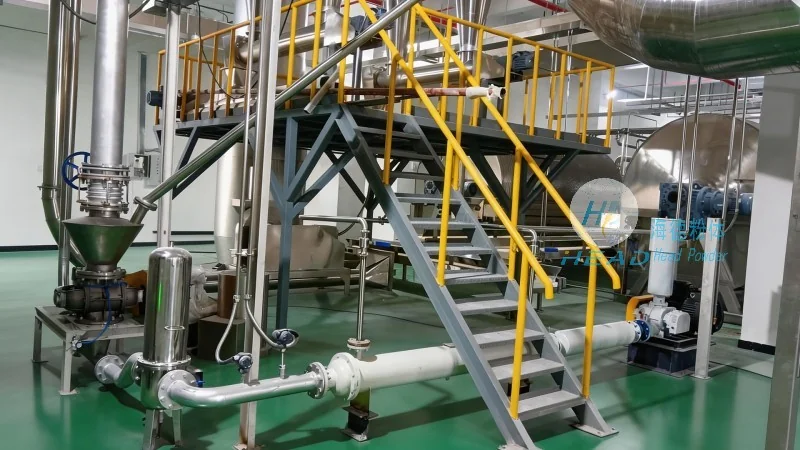
There are several distinct methods of foam conveying, each tailored to specific operational requirements and material characteristics. The most common approaches include pressure foam conveying, gravity foam conveying, and pneumatic foam conveying. Pressure foam conveying uses a pump to generate foam under pressure and deliver it through a pipeline, making it suitable for longer distances or when high pressure is required. Gravity foam conveying relies on the natural flow of foam due to gravity, often used in shorter, vertical or inclined lines where the material can be transported without additional pressure. Pneumatic foam conveying combines elements of both pressure and gravity, using compressed air to assist in moving the foam and material through the system. Each method has its own advantages and limitations, and the choice of technique depends on factors such as the type of material being conveyed, the distance to be covered, and the available infrastructure.
Applications of Foam Conveying in Industrial Settings
Foam conveying is widely applied across various industries due to its versatility and effectiveness. In the mining industry, it is used to transport ore or tailings from mines to processing facilities, reducing the risk of dust and material degradation. In chemical processing, foam conveying can handle corrosive or hazardous materials safely, minimizing exposure risks for workers. The food processing industry also benefits from foam conveying, as it allows for the transport of sensitive products like grains or powders without contamination or spoilage. Additionally, in environmental applications, foam conveying is used for waste management, such as transporting sludge or other solid waste to treatment facilities. The adaptability of foam conveying makes it a valuable tool in many industrial contexts, enabling companies to improve operational efficiency and safety.
Benefits and Considerations of Foam Conveying
Implementing foam conveying systems offers several benefits, including improved material handling efficiency, reduced energy consumption, and enhanced safety. By using foam to transport materials, companies can minimize the need for traditional dry conveying methods, which often require higher energy input and may cause more wear and tear on equipment. Foam conveying also reduces the risk of dust explosions or material contamination, making it a safer option for handling hazardous or sensitive materials. However, there are also considerations to keep in mind when adopting foam conveying. For example, the system requires regular maintenance to ensure consistent foam quality and prevent clogging or blockages in the pipeline. Additionally, the cost of equipment and the need for proper training for operators may be factors to consider. Despite these considerations, the overall advantages of foam conveying often outweigh the challenges, making it a viable solution for many industrial applications.

About HeadPowder Engineering
HeadPowder Engineering, a leading provider of foam conveying solutions, specializes in designing and manufacturing customized systems tailored to the unique needs of their clients. With a focus on innovation and quality, the company has developed advanced foam conveying technologies that enhance material transport efficiency and safety. HeadPowder Engineering is headquartered in Shandong, China, and serves clients globally with a commitment to providing reliable and effective solutions. The company’s expertise in foam technology and industrial applications ensures that customers receive systems that are optimized for their specific operational requirements, helping them achieve better performance and cost savings.