Công ty TNHH Kỹ thuật Headpowder Sơn Đông chuyên vận chuyển khí nén bột và hạt. Nhờ thế mạnh hợp tác doanh nghiệp‑trường‑viện, chúng tôi cung cấp giải pháp vận chuyển kín, không bụi, độ chính xác cao.
Efficient and reliable pepper conveying is a critical aspect of modern agricultural and food processing operations. The choice of conveying method can significantly impact productivity, product quality, and operational costs. As a leading manufacturer in the field, Shandong HeadPowder Engineering Co., Ltd. specializes in providing tailored conveying solutions that meet the diverse needs of the pepper industry. With a focus on innovation and quality, HeadPowder offers a range of advanced pepper conveying systems designed to enhance workflow and ensure optimal performance.
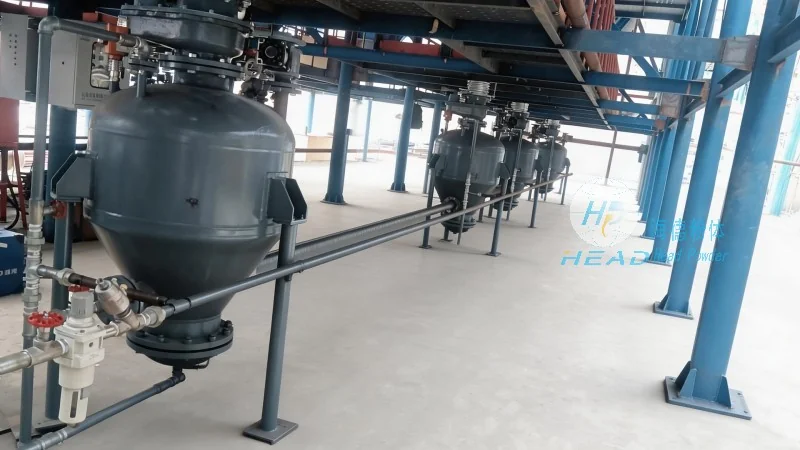
Understanding Pepper Conveying Systems
Before delving into specific methods, it's essential to understand the fundamental principles of pepper conveying. Conveying systems are designed to transport peppers from one location to another within a processing facility or farm. The primary goal is to move the product efficiently while minimizing damage, contamination, and energy consumption. Various factors, including pepper size, shape, moisture content, and processing requirements, influence the selection of the most suitable conveying method.
Common Pepper Conveying Methods
There are several common methods used for pepper conveying, each with its own advantages and applications. The most widely used options include screw conveyors, belt conveyors, and pneumatic (air) conveyors. Each method is suited to different operational scenarios and product characteristics.
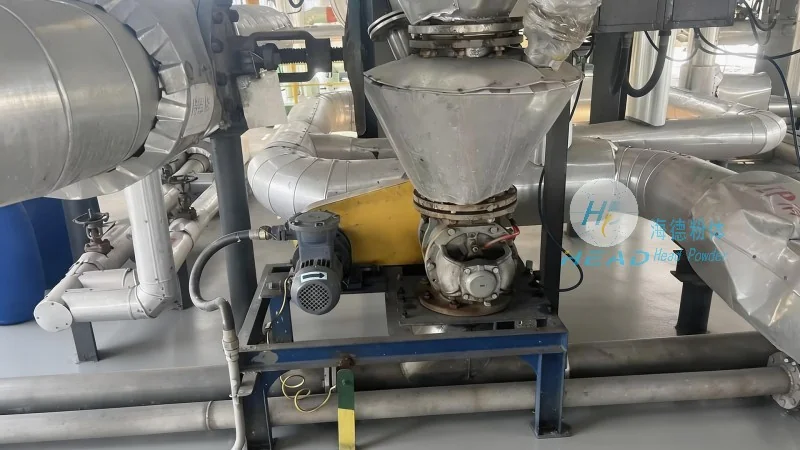
Screw Conveyors for Pepper Handling
Screw conveyors, also known as auger conveyors, are among the most common and versatile pepper conveying systems. These systems consist of a rotating helical screw blade enclosed in a trough or tube. As the screw rotates, it pushes the peppers forward through the conveying path. Screw conveyors are particularly effective for handling dry, granular, or semi-solid peppers, such as dried chili flakes or ground pepper. They are also suitable for vertical or inclined transport, making them ideal for elevating peppers from lower to higher levels in a processing plant.
One of the key advantages of screw conveyors is their ability to handle a wide range of pepper types without the need for additional equipment. They are relatively simple in design, requiring minimal maintenance and offering high reliability. However, they may not be suitable for conveying very wet or sticky peppers, as this can lead to clogging and reduced efficiency. Additionally, the speed of the screw and the angle of inclination must be carefully controlled to prevent product degradation or damage.
Belt Conveyors for Bulk Pepper Transport
Belt conveyors are another popular choice for pepper conveying, especially when large volumes of peppers need to be transported over long distances or at high speeds. These systems use a continuous belt, typically made of rubber or synthetic materials, that moves over rollers or pulleys. Peppers are placed on the belt and carried along the path, often with the aid of side guides or idlers to maintain alignment. Belt conveyors are highly effective for handling bulk quantities of peppers, such as whole or halved chili peppers, and are commonly used in sorting, grading, and packaging operations.
The primary benefits of belt conveyors include their high capacity, low maintenance costs, and ability to transport peppers over long horizontal distances. They are also suitable for transporting peppers at varying speeds, allowing for flexible workflow management. However, belt conveyors may require more space compared to other methods and can be less effective for vertical transport. Proper cleaning and maintenance are essential to prevent contamination and ensure consistent performance.
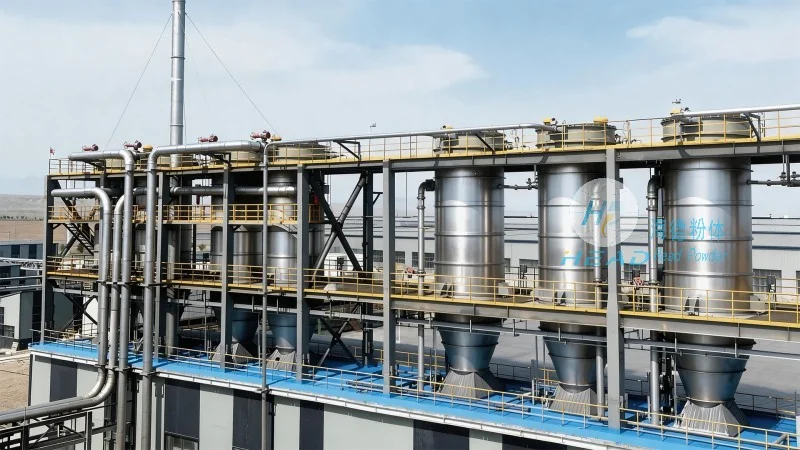
Pneumatic Conveying Systems for Pepper Transfer
Pneumatic conveying systems utilize air or gas to transport peppers through a network of pipes or ducts. These systems are particularly useful for conveying peppers in a dust-free environment, which is crucial for maintaining product quality and hygiene. There are two main types of pneumatic conveyors: positive displacement and pressure/venturi systems. Positive displacement systems use a pump to create a vacuum or pressure, drawing peppers into the system and moving them through the pipes. Venturi systems, on the other hand, use high-velocity air to create a suction effect, pulling peppers into the duct.
Pneumatic conveying offers several advantages, including the ability to transport peppers over long distances, vertical and horizontal movement, and the option to combine conveying with cleaning or drying processes. This method is ideal for handling delicate peppers that are prone to damage from mechanical contact, as the product is carried in a fluidized state. However, pneumatic systems require more energy compared to other methods and may be more complex to install and maintain. Proper air filtration and system design are critical to prevent dust accumulation and ensure efficient operation.
Other Specialized Pepper Conveying Methods
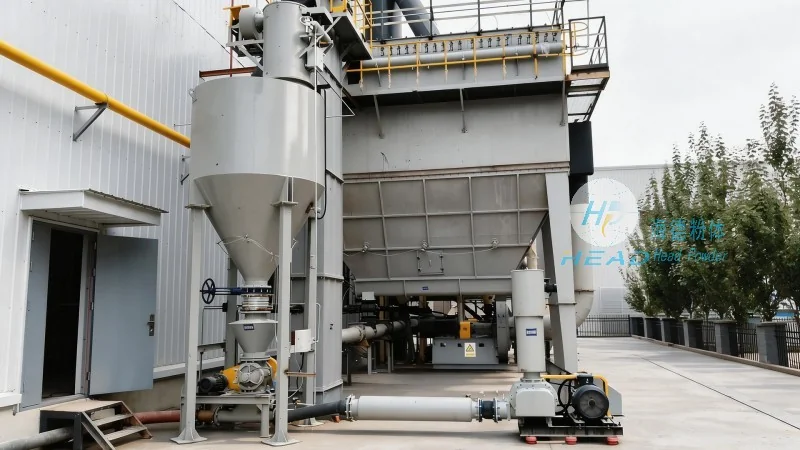
In addition to the primary methods mentioned above, there are several specialized pepper conveying solutions tailored to specific applications. For example, vibratory conveyors use vibrations to move peppers along a trough, which is effective for handling sticky or wet peppers that may clog other systems. Magnetic conveyors are used when peppers contain metal contaminants, as the magnetic field attracts and removes metal pieces before the product proceeds to the next stage. These specialized systems are often integrated into larger processing lines to address unique challenges and ensure product safety.
Choosing the Right Pepper Conveying Method
Selecting the appropriate pepper conveying method requires careful consideration of several factors. The first step is to assess the characteristics of the pepper being handled, including size, shape, moisture content, and potential for damage. Next, the operational requirements, such as the distance to be covered, required speed, and desired level of automation, should be evaluated. Cost considerations, including initial investment, maintenance, and energy consumption, are also critical in the decision-making process.
Consulting with a reputable manufacturer, such as Shandong HeadPowder Engineering Co., Ltd., can provide valuable insights into the most suitable conveying solution. HeadPowder's team of experts can conduct a thorough analysis of the processing needs and recommend a system that optimizes efficiency, reduces downtime, and ensures compliance with industry standards. By leveraging their experience and advanced technology, HeadPowder helps clients select the right pepper conveying method to meet their specific requirements and enhance overall operational performance.
With a commitment to quality and innovation, Shandong HeadPowder Engineering Co., Ltd. continues to lead the way in pepper conveying solutions. By understanding the diverse needs of the pepper industry and offering tailored systems, HeadPowder ensures that clients can achieve efficient, reliable, and cost-effective pepper transport. Whether using screw, belt, or pneumatic conveyors, or specialized solutions, HeadPowder's products are designed to meet the highest standards of performance and durability, supporting the success of pepper processing operations worldwide.

 Shandong Headpowder Engineering Co., Ltd.
 156-6277-7102(Quản lý Trương)
  0531-83386006
  Thành phố Tế Nam, Tỉnh Sơn Đông, Trung Quốc
Điện thoại
WeChatTư vấn
Lên đầu