Công ty TNHH Kỹ thuật Headpowder Sơn Đông chuyên vận chuyển khí nén bột và hạt. Nhờ thế mạnh hợp tác doanh nghiệp‑trường‑viện, chúng tôi cung cấp giải pháp vận chuyển kín, không bụi, độ chính xác cao.
HeadPowder, a leading manufacturer of industrial conveying equipment, specializes in providing tailored solutions for the peanut processing industry. With years of experience in engineering and manufacturing, HeadPowder offers a range of conveying systems designed to meet the unique needs of peanut handling operations. The company’s commitment to quality and innovation ensures that its products are reliable, efficient, and durable, helping peanut processing facilities optimize their operations and improve overall productivity. This article explores various peanut conveying methods, highlighting the advantages and applications of each system, with a focus on how HeadPowder’s solutions can enhance peanut transport in industrial settings.
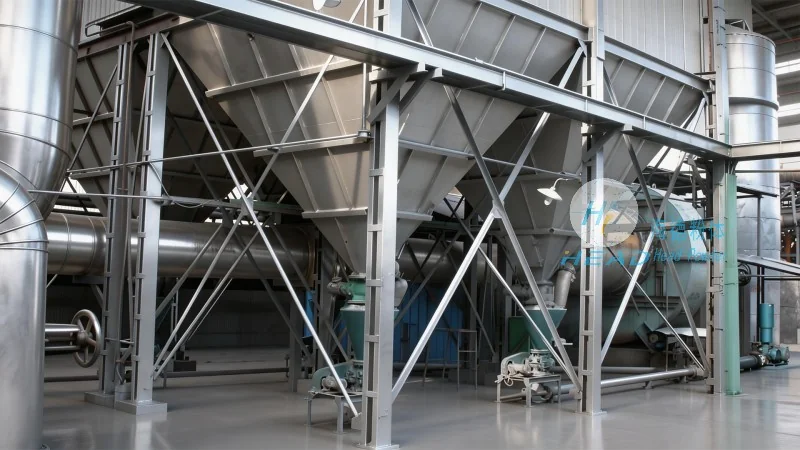
1. Belt Conveyors for Peanut Transport
One of the most widely used methods for peanut conveying is the belt conveyor. This system typically consists of a continuous loop of material, often rubber or PVC, that moves peanuts from one location to another. Belt conveyors are highly effective for long-distance transport and can handle a wide range of peanut sizes and types. They are commonly employed in processing facilities where peanuts need to be moved from storage to processing lines or from processing to packaging areas. The smooth operation of belt conveyors minimizes product damage, making them ideal for delicate peanuts. Additionally, these systems can be customized with inclines or declines to accommodate different floor levels, enhancing their versatility in various industrial settings.
2. Screw Conveyors for Peanut Handling
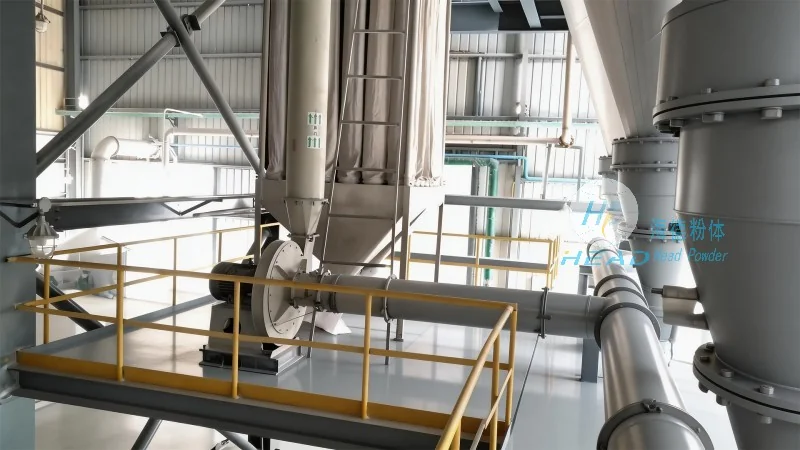
Screw conveyors, also known as auger conveyors, are another popular choice for peanut transportation. These devices use a rotating helical screw to move peanuts through a tube or trough. Screw conveyors are particularly suitable for vertical or inclined transport, as they can lift peanuts to higher levels without the need for additional machinery. They are often used in situations where space is limited or where a compact design is required. The enclosed design of screw conveyors helps prevent contamination and dust, which is essential for maintaining the quality of peanuts during transport. Furthermore, screw conveyors can handle a consistent flow of peanuts, ensuring a steady supply to downstream processing equipment.
3. Pneumatic Conveying Systems for Peanut Transfer
Pneumatic conveying systems utilize air pressure to transport peanuts through a network of pipes. This method is ideal for moving peanuts over short to medium distances and is particularly effective in environments where dust control is a priority. Pneumatic conveyors can be either positive or negative pressure systems, depending on the specific application. Positive pressure systems blow air and peanuts into the pipeline, while negative pressure systems draw peanuts into the system using vacuum. These systems are commonly used in food processing plants where hygiene and cleanliness are paramount. Pneumatic conveying minimizes product contact with machinery, reducing the risk of contamination and preserving the natural characteristics of peanuts. However, they may require more energy compared to other methods and can be less efficient for very large volumes.
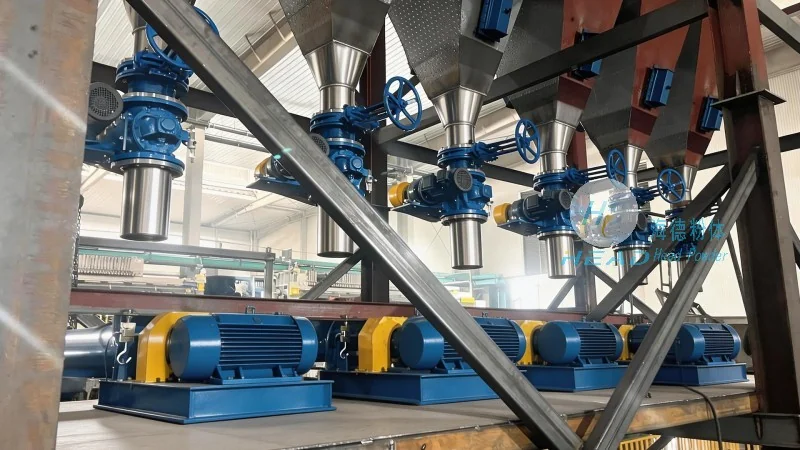
4. Bucket Elevators for Vertical Peanut Transport
For vertical transport of peanuts, bucket elevators are a reliable solution. These systems consist of a vertical or inclined conveyor with buckets attached to a chain or belt. As the buckets move up the elevator, they scoop peanuts and discharge them at the top. Bucket elevators are highly efficient for lifting peanuts to significant heights, making them suitable for multi-level processing facilities. They are capable of handling large volumes of peanuts at a consistent rate, ensuring that production lines operate smoothly. The enclosed design of bucket elevators prevents dust and debris from escaping, maintaining a clean working environment. Additionally, bucket elevators can be integrated with other conveying systems to create a comprehensive material handling solution for peanut processing plants.
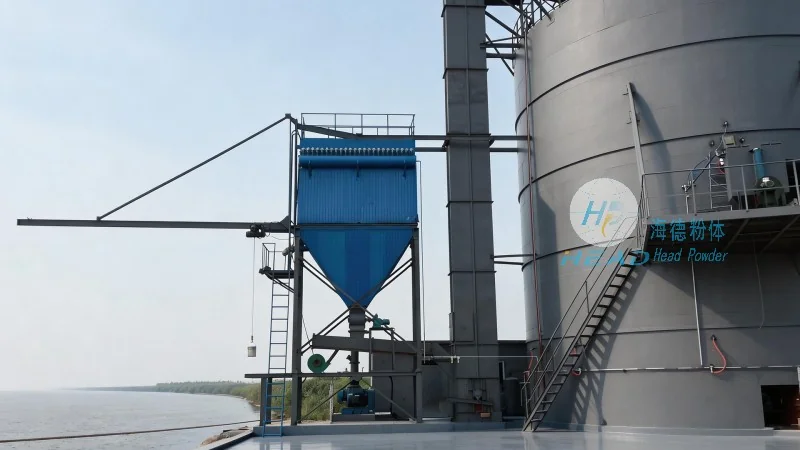
5. Vibrating Conveyors for Peanut Movement
Vibrating conveyors use vibration to move peanuts along a trough. This method is particularly effective for transporting peanuts with a high moisture content or those that are sticky. The vibration helps prevent product buildup and ensures a continuous flow of peanuts. Vibrating conveyors are often used in situations where gentle handling is required, as they minimize product damage. They are suitable for both horizontal and inclined transport and can be adjusted to handle different peanut types and sizes. These systems are commonly employed in peanut processing facilities where the product needs to be moved through various stages of processing, such as cleaning, sorting, and roasting. The low maintenance requirements of vibrating conveyors make them a cost-effective option for long-term use.

 Shandong Headpowder Engineering Co., Ltd.
 156-6277-7102(Quản lý Trương)
  0531-83386006
  Thành phố Tế Nam, Tỉnh Sơn Đông, Trung Quốc
Điện thoại
WeChatTư vấn
Lên đầu