Công ty TNHH Kỹ thuật Headpowder Sơn Đông chuyên vận chuyển khí nén bột và hạt. Nhờ thế mạnh hợp tác doanh nghiệp‑trường‑viện, chúng tôi cung cấp giải pháp vận chuyển kín, không bụi, độ chính xác cao.
Vanadium oxide is a critical material in various industrial applications, and its efficient transportation is essential for maintaining production efficiency and ensuring product quality. As a leading manufacturer in the field, Shandong HeadPowder Engineering Co., Ltd. (commonly known as HeadPowder) specializes in providing advanced solutions for the handling and transportation of vanadium oxide. This article explores the primary methods used for vanadium oxide transportation, highlighting the importance of each approach in different industrial settings.
Understanding Vanadium Oxide and Its Transportation Needs
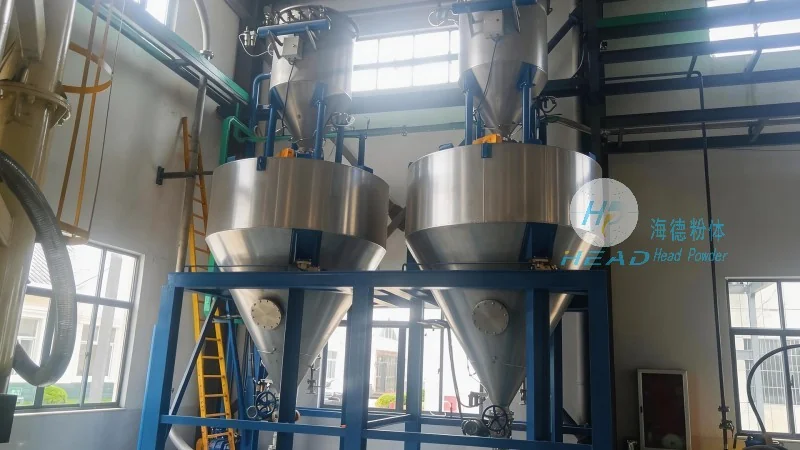
Vanadium oxide, often used in the production of vanadium compounds and as a catalyst in chemical processes, requires specialized handling due to its chemical properties and potential reactivity. The choice of transportation method depends on factors such as the form of the material (powder, granules, or pellets), the volume to be transported, and the distance involved. Proper transportation ensures that the material remains intact, free from contamination, and ready for subsequent processing steps.
Common Methods for Vanadium Oxide Transportation
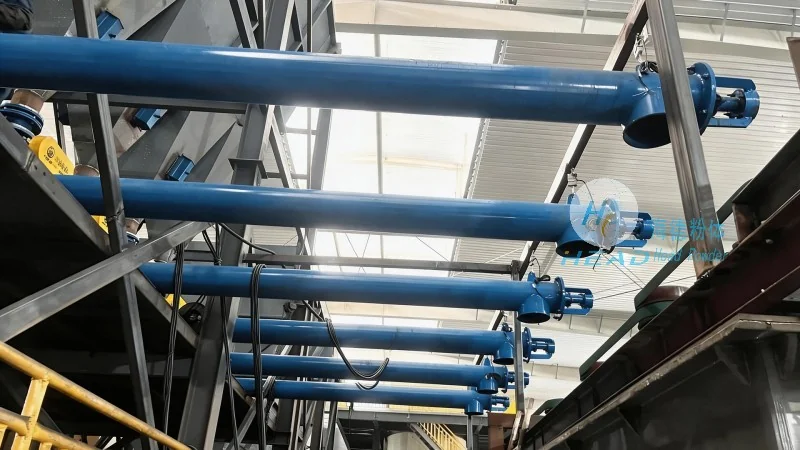
Several methods are commonly employed for the transportation of vanadium oxide, each with its own advantages and applications. The selection of a method is typically based on the specific requirements of the industrial process and the logistical constraints of the operation.
Pneumatic Conveying Systems
Pneumatic conveying is a widely used method for transporting vanadium oxide, especially in applications where the material is in a fine powder form. This system uses compressed air to move the powder through a pipeline, allowing for efficient and continuous transport. Pneumatic conveyors can be categorized into two main types: pressure and vacuum systems. Pressure systems use high-pressure air to push the material through the pipeline, while vacuum systems use a vacuum to draw the material. Both types are effective for transporting vanadium oxide, as they minimize material degradation and ensure a consistent flow rate. The choice between pressure and vacuum depends on the distance and the volume of material to be transported. For example, pressure systems are often used for short to medium distances, while vacuum systems are suitable for longer distances or when the material needs to be transported from multiple sources to a central location.
Bucket Elevators
Bucket elevators are another common method for transporting vanadium oxide, particularly when the material is in a granular or pellet form. This equipment consists of a vertical or inclined conveyor with buckets attached to a chain or belt. As the conveyor moves, the buckets scoop up the material and lift it to the desired height, then discharge it at the other end. Bucket elevators are highly efficient for vertical or inclined transport and can handle a wide range of material sizes and volumes. They are commonly used in industrial settings where the material needs to be elevated to a higher level, such as in storage silos or processing plants. The design of the bucket elevator, including the type of buckets and the speed of the conveyor, can be customized to suit the specific characteristics of vanadium oxide, ensuring optimal performance and minimal material loss.
Screw Conveyors
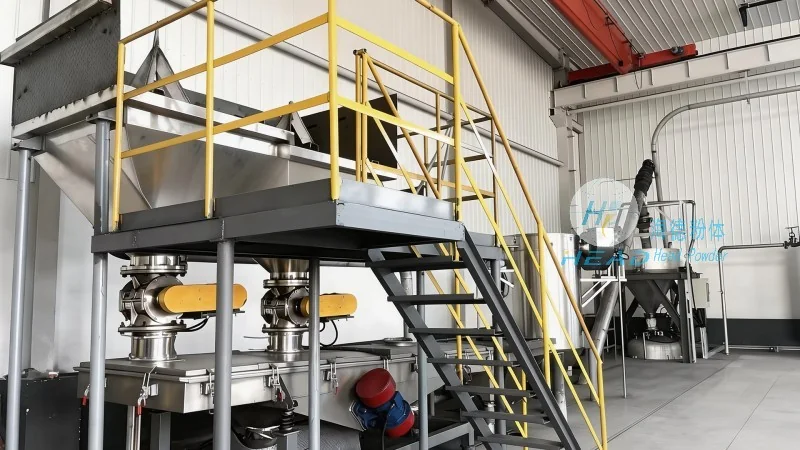
Screw conveyors are a versatile and widely used method for transporting vanadium oxide, especially in applications where the material is in a powder or granular form. This equipment consists of a rotating screw (also known as a helical screw) enclosed in a trough. The screw rotates, moving the material along the length of the conveyor. Screw conveyors are suitable for both horizontal and inclined transport and can handle a variety of materials, including vanadium oxide. They are particularly effective for transporting materials that are prone to caking or agglomeration, as the screw design helps to break up clumps and maintain a consistent flow. The speed and pitch of the screw can be adjusted to control the flow rate and prevent material buildup. Screw conveyors are often used in conjunction with other equipment, such as hoppers and storage bins, to form a complete material handling system. This system ensures that the vanadium oxide is transported efficiently from the storage area to the processing equipment, minimizing downtime and maximizing productivity.
Truck and Rail Transportation
For bulk transportation of vanadium oxide over longer distances, truck and rail are commonly used methods. These modes of transport are particularly suitable for large volumes of material and for transporting the material from the production site to the end-user or to a storage facility. Trucks are often used for shorter distances, while rail is preferred for longer distances due to its higher capacity and lower cost per ton. The material is typically loaded into bulk containers or hopper cars, which are designed to minimize spillage and ensure safe transport. The containers are then sealed and transported to the destination. Upon arrival, the material is unloaded using specialized equipment, such as conveyor systems or bucket elevators. This method is particularly effective for transporting vanadium oxide to remote locations or to customers who require large quantities of the material.
Storage and Handling Considerations
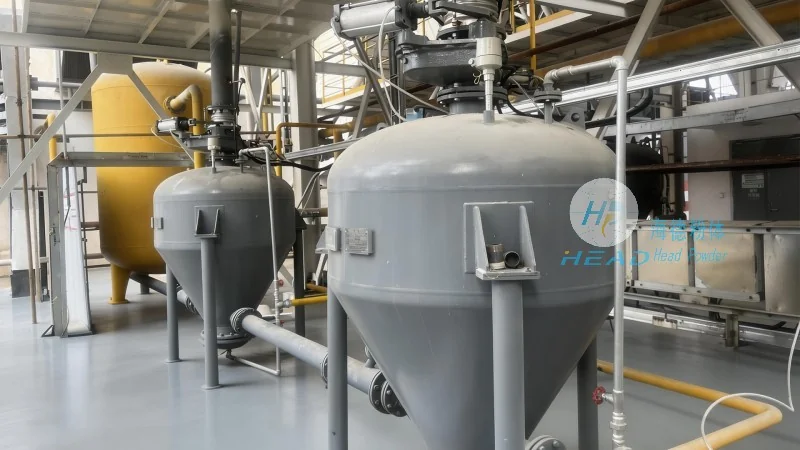
Regardless of the transportation method used, proper storage and handling of vanadium oxide are crucial to maintain its quality and prevent contamination. Vanadium oxide is often stored in sealed containers or silos to protect it from moisture and air, which can cause degradation. The storage area should be well-ventilated and free from sources of ignition, as vanadium oxide can be a fire hazard under certain conditions. When handling vanadium oxide, it is important to use appropriate personal protective equipment (PPE), such as gloves, goggles, and a respirator, to protect against inhalation or skin contact. The material should be handled gently to avoid creating dust, which can be hazardous if inhaled. Proper storage and handling practices not only ensure the safety of the workers but also maintain the quality of the vanadium oxide, ensuring that it is ready for use in subsequent industrial processes.
Conclusion
Efficient transportation of vanadium oxide is essential for the smooth operation of industrial processes. Shandong HeadPowder Engineering Co., Ltd. provides advanced solutions for the handling and transportation of vanadium oxide, utilizing methods such as pneumatic conveying, bucket elevators, screw conveyors, and bulk transport. Each method has its own advantages and is suitable for different applications, depending on the specific requirements of the operation. By understanding the characteristics of vanadium oxide and the available transportation methods, industrial facilities can choose the most appropriate approach to ensure the safe and efficient transport of the material. This, in turn, helps to maintain production efficiency, reduce costs, and ensure the quality of the final product.

 Shandong Headpowder Engineering Co., Ltd.
 156-6277-7102(Quản lý Trương)
  0531-83386006
  Thành phố Tế Nam, Tỉnh Sơn Đông, Trung Quốc
Điện thoại
WeChatTư vấn
Lên đầu