

Sintered Dust Transportation Methods: Options and Solutions
Sintered dust, a byproduct of the sintering process in metallurgical industries, requires efficient and reliable transportation methods to ensure proper handling and utilization. The choice of transportation method depends on factors such as dust characteristics, plant layout, and operational requirements. This article explores various methods used for transporting sintered dust, highlighting the solutions provided by Shandong HeadPowder Engineering Co., Ltd., a leading provider in the field.
Key Factors Influencing Sintered Dust Transportation
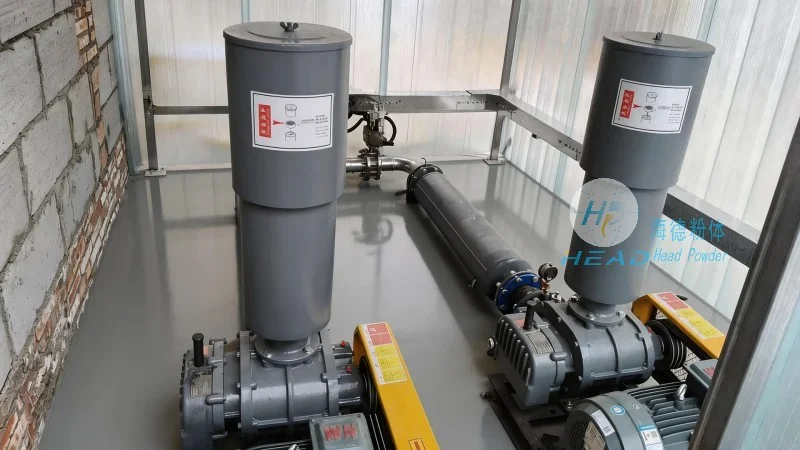
Before selecting a transportation method, several key factors must be considered. The physical properties of the sintered dust, including particle size, moisture content, and bulk density, play a crucial role. Additionally, the distance to be covered, the required flow rate, and the need for dust collection or environmental control systems are critical considerations. Shandong HeadPowder Engineering Co., Ltd. specializes in tailoring transportation solutions that address these specific requirements, ensuring optimal performance and compliance with industry standards.
Common Sintered Dust Transportation Methods
There are several established methods for transporting sintered dust, each with its own advantages and applications. The most common approaches include:
1. Pneumatic Conveying Systems
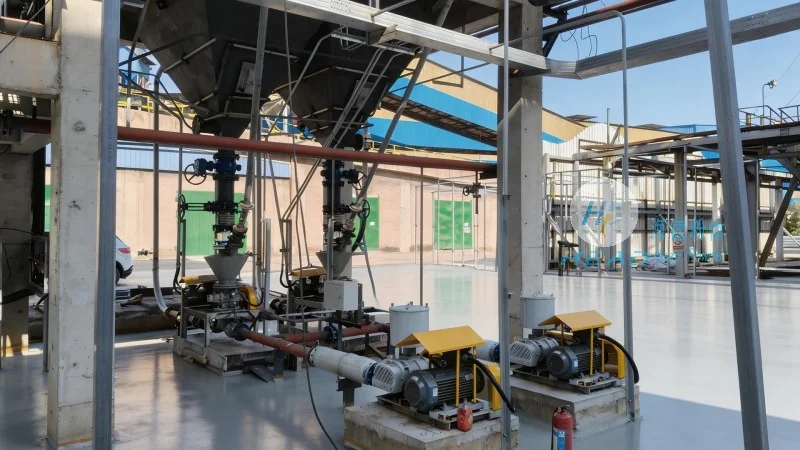
Pneumatic conveying uses air or other gases to transport dust particles through a pipeline. This method is suitable for both low and high flow rates and can handle fine or abrasive materials. There are two main types: pressure and vacuum systems. Pressure systems use compressed air to push the dust, while vacuum systems use suction to draw the material. HeadPowder Engineering offers advanced pneumatic conveying solutions, including positive displacement blowers and rotary airlocks, designed to handle sintered dust efficiently and minimize system downtime.
2. Mechanical Conveying Systems
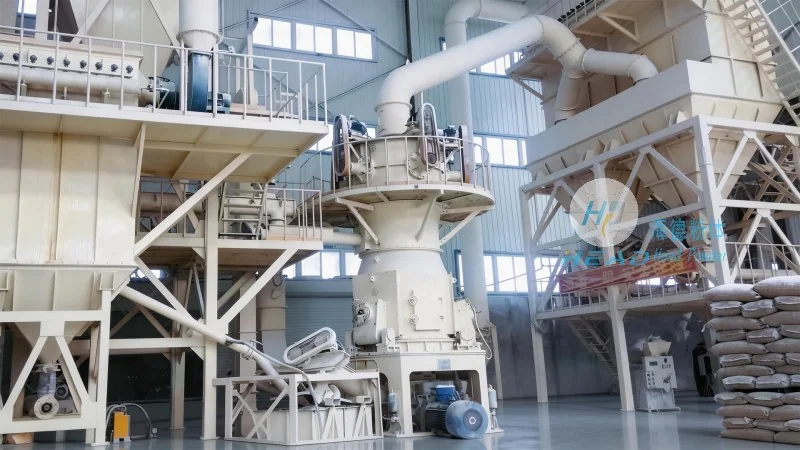
Mechanical conveyors, such as belt conveyors, screw conveyors, and bucket elevators, are widely used for transporting sintered dust. These systems are typically more cost-effective for short distances and bulk materials. Belt conveyors are ideal for horizontal or slightly inclined transport, while screw conveyors are suitable for vertical or inclined applications. Bucket elevators are used for vertical transport over longer distances. Shandong HeadPowder Engineering Co., Ltd. provides customized mechanical conveyor systems that integrate seamlessly with existing plant infrastructure, ensuring smooth operation and minimal maintenance.
3. Hydraulic Conveying
Hydraulic conveying involves transporting dust suspended in a liquid medium, such as water or a slurry. This method is particularly effective for handling wet or sticky sintered dust. The slurry is pumped through pipelines, and the dust is separated from the liquid at the destination. While effective, hydraulic systems require additional equipment for slurry treatment and may have higher operational costs. HeadPowder Engineering evaluates the suitability of hydraulic conveying based on the specific characteristics of the sintered dust and the plant's operational needs.
4. Combination Systems
In many cases, a combination of the above methods is used to achieve the best results. For example, a pneumatic system may be used for the initial transport from the sintering plant to a storage silo, followed by a mechanical conveyor for final delivery to processing units. Shandong HeadPowder Engineering Co., Ltd. designs integrated transportation systems that optimize the entire process, reducing energy consumption and improving overall efficiency.
Advantages and Considerations of Each Method
Each transportation method has its own set of advantages and considerations. Pneumatic systems offer flexibility and can handle fine particles, but they may require higher energy input and more maintenance. Mechanical systems are generally more economical and reliable for bulk transport but may have limitations in handling very fine or abrasive materials. Hydraulic systems are effective for wet dust but involve additional treatment steps. Shandong HeadPowder Engineering Co., Ltd. assists clients in evaluating these factors and selecting the most appropriate method based on their specific requirements and operational constraints.
Customized Solutions by Shandong HeadPowder Engineering Co., Ltd.
Shandong HeadPowder Engineering Co., Ltd. is a leading provider of sintered dust transportation solutions, with a focus on customizing systems to meet the unique needs of each client. The company's expertise lies in designing and implementing efficient, reliable, and cost-effective transportation systems that comply with environmental regulations and industry standards. HeadPowder Engineering's team of engineers works closely with clients to understand their operational challenges and develop tailored solutions that enhance productivity and reduce downtime.
For example, a client in Shandong, China, required a pneumatic conveying system to transport sintered dust from the sintering plant to a storage facility. HeadPowder Engineering designed a system using positive displacement blowers and flexible hoses, which successfully handled the fine, abrasive dust while minimizing dust emissions. The system was installed and commissioned efficiently, with minimal disruption to the client's operations. This case study highlights the company's ability to deliver high-quality, customized solutions that meet the specific needs of its clients.
Conclusion
Efficient transportation of sintered dust is crucial for the smooth operation of metallurgical plants. The choice of transportation method depends on various factors, including dust characteristics, distance, and operational requirements. Shandong HeadPowder Engineering Co., Ltd. offers a range of advanced transportation solutions, including pneumatic, mechanical, and hydraulic systems, tailored to meet the specific needs of each client. By leveraging its expertise and customized approach, HeadPowder Engineering helps clients optimize their dust transportation processes, improve efficiency, and ensure compliance with industry standards.