Công ty TNHH Kỹ thuật Headpowder Sơn Đông chuyên vận chuyển khí nén bột và hạt. Nhờ thế mạnh hợp tác doanh nghiệp‑trường‑viện, chúng tôi cung cấp giải pháp vận chuyển kín, không bụi, độ chính xác cao.
When it comes to the transportation of petroleum coke, selecting the right method is crucial for ensuring efficiency, safety, and cost-effectiveness in industrial operations. Petroleum coke, a byproduct of the oil refining process, is a high-energy material used in various applications, including steel production and carbon black manufacturing. The choice of transportation method depends on factors such as the distance of transport, the volume of coke being moved, and the specific requirements of the end-user. In this article, we will explore the common methods used for petroleum coke transportation, highlighting the advantages and considerations of each approach.
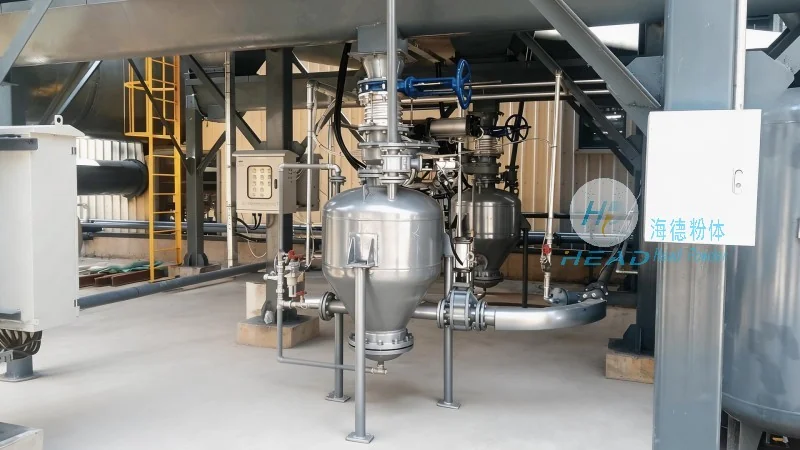
1. Pipeline Transportation: A Modern Solution for Bulk Movement
Pipeline transportation is a widely adopted method for moving large volumes of petroleum coke over long distances. This method involves transporting the coke through a network of pipelines, which are typically made of steel or other durable materials to withstand the abrasive nature of the material. The process begins with the coke being loaded into a storage silo or hopper, where it is then conveyed through a series of pipelines to the destination. One of the key advantages of pipeline transportation is its ability to handle high volumes of coke continuously, with minimal labor requirements. This method is particularly suitable for long-distance transport, such as from a refinery to a steel mill, where the distance may exceed hundreds of kilometers. The use of pipelines also reduces the environmental impact compared to road or rail transport, as it eliminates the need for multiple vehicles and associated emissions. However, the initial investment in pipeline infrastructure can be substantial, and the system requires regular maintenance to ensure optimal performance. Additionally, pipeline transportation is less flexible compared to other methods, as it is limited to pre-existing routes and cannot be easily altered to accommodate changes in demand or location.
2. Belt Conveyor Systems: Efficient and Versatile for On-Site and Short-Distance Transport
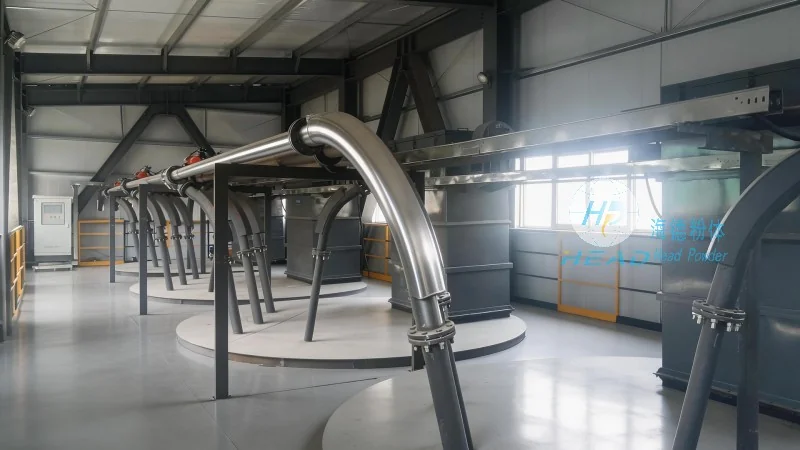
Belt conveyor systems are a common and efficient method for transporting petroleum coke over shorter distances, such as within a refinery or between different processing units. These systems consist of a continuous loop of conveyor belt, supported by rollers or idlers, which moves the coke from one location to another. The belt is typically made of durable materials like rubber or synthetic fabrics, designed to withstand the heavy load and abrasive properties of petroleum coke. Belt conveyors can be customized to handle various capacities, from small-scale operations to large industrial plants. One of the main advantages of belt conveyor systems is their high efficiency and low operational costs. They can transport coke at a steady rate, with minimal downtime, and require less maintenance compared to other methods. Belt conveyors are also flexible in terms of layout, as they can be installed in various configurations, including straight, inclined, or curved paths, to suit the specific layout of the facility. This flexibility makes them ideal for on-site transport, where the coke needs to be moved between different processing stages or storage areas. However, belt conveyors have limitations in terms of distance, as they are generally suitable for short to medium distances, typically up to a few kilometers. For longer distances, other methods like pipelines or rail transport may be more appropriate.
3. Truck Transportation: Flexible and Cost-Effective for Short to Medium Distances
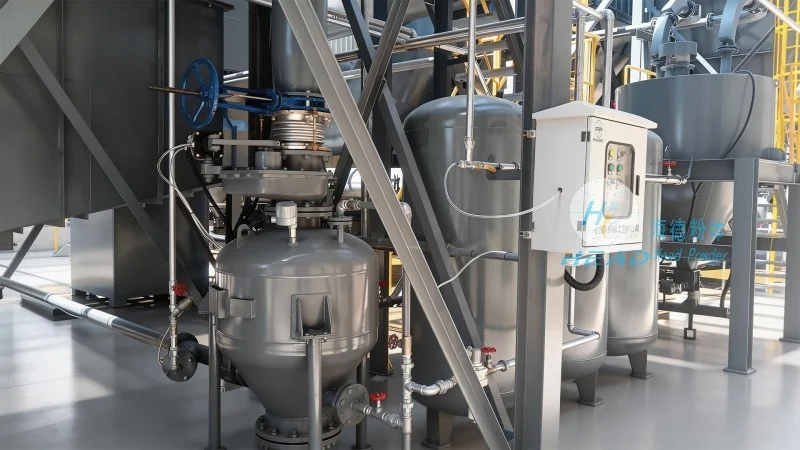
Truck transportation is a flexible and cost-effective method for moving petroleum coke over short to medium distances, such as from a refinery to a nearby steel mill or distribution center. This method involves loading the coke into specialized trucks, which are equipped with containers or trailers designed to handle the bulk material. The trucks can be either open-top or enclosed, depending on the specific requirements of the transport. Open-top trucks are commonly used for short distances, as they allow for easy loading and unloading, while enclosed trucks are preferred for longer distances or when the coke needs to be protected from the elements. One of the key advantages of truck transportation is its flexibility, as it can be used to transport coke to various locations, including remote or hard-to-reach areas. This flexibility makes it suitable for both on-demand and scheduled deliveries. Truck transportation also offers relatively low initial investment compared to other methods, as it does not require the construction of infrastructure like pipelines or rail lines. However, the cost of trucking can increase with longer distances and higher volumes, as it involves fuel costs, driver wages, and maintenance expenses. Additionally, truck transportation may have limitations in terms of weight and volume restrictions, which can affect the amount of coke that can be transported in a single trip. For example, in some regions, there may be regulations limiting the weight of trucks to ensure road safety and infrastructure longevity.
4. Rail Transportation: Economical for Long-Distance Bulk Transport
Rail transportation is an economical and efficient method for moving large volumes of petroleum coke over long distances, particularly when transporting from a refinery to a distant steel mill or other industrial facility. This method involves loading the coke into specialized railcars, which are designed to handle bulk materials. The railcars can be either hopper cars or covered hoppers, depending on the need to protect the coke from weather conditions or to prevent spillage. Hopper cars are commonly used for short to medium distances, as they allow for easy unloading at the destination, while covered hoppers are preferred for longer distances or when the coke needs to be protected from the elements. One of the main advantages of rail transportation is its cost-effectiveness for long-distance transport, as it can move large volumes of coke at a lower cost per unit compared to truck or pipeline transport. Rail transport also has a lower environmental impact compared to road transport, as it produces fewer emissions per ton of coke transported. Additionally, rail infrastructure is often more reliable and less affected by traffic congestion or weather conditions compared to road transport. However, rail transportation has limitations in terms of flexibility, as it is limited to existing rail lines and cannot be easily altered to accommodate changes in demand or location. The loading and unloading process at rail terminals can also be time-consuming, which may affect the overall efficiency of the transport. Furthermore, rail transport may require additional infrastructure, such as loading facilities or transfer points, to connect with other transportation modes, which can increase the overall cost.

 Shandong Headpowder Engineering Co., Ltd.
 156-6277-7102(Quản lý Trương)
  0531-83386006
  Thành phố Tế Nam, Tỉnh Sơn Đông, Trung Quốc
Điện thoại
WeChatTư vấn
Lên đầu