

Common Methods of Synthetic Fiber Conveyance
When it comes to the efficient handling and transportation of synthetic fibers, selecting the right conveyance method is crucial for optimizing production processes and ensuring product quality. Synthetic fibers, widely used in textiles, automotive, and construction industries, require specialized equipment to manage their unique properties such as lightweight, flexibility, and varying lengths. The choice of conveyance method directly impacts operational efficiency, material integrity, and overall cost-effectiveness. This article explores the common methods used for synthetic fiber conveyance, highlighting key considerations and applications.
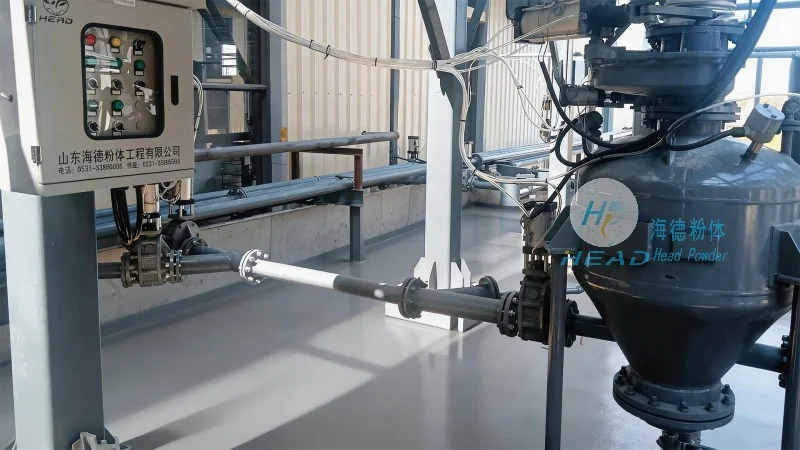
1. Belt Conveyors: The Workhorse of Synthetic Fiber Transport
Belt conveyors are among the most widely used systems for synthetic fiber transport due to their reliability, versatility, and ability to handle a wide range of fiber types and sizes. These systems consist of a continuous loop of material (often rubber or PVC) that moves over rollers, transporting the fibers from one point to another. The design of belt conveyors can be customized to accommodate different fiber characteristics, such as fine or coarse fibers, and can be equipped with features like inclines or declines to manage vertical transport. For synthetic fibers, the belt material is typically chosen for its non-stick properties and resistance to abrasion, ensuring that the fibers are not damaged during transit. HeadPowder Engineering, a leading manufacturer based in Shandong, China, offers specialized belt conveyor solutions tailored to the needs of synthetic fiber processing plants. Their systems are engineered to maintain fiber integrity while providing high throughput rates, making them an ideal choice for industries requiring consistent and reliable fiber conveyance.
2. Screw Conveyors: Efficient for Bulk Synthetic Fiber Handling
Screw conveyors, also known as auger conveyors, are another common method for synthetic fiber conveyance, particularly for bulk materials. These systems use a rotating helical screw to move fibers along a trough or tube. The screw's rotation creates a pushing action that propels the fibers forward, making screw conveyors suitable for horizontal or slight incline transport. One of the key advantages of screw conveyors is their ability to handle a wide variety of synthetic fibers, including those with varying moisture content or bulk density. They are also compact and can be installed in tight spaces, which is beneficial for facilities with limited floor space. HeadPowder Engineering’s screw conveyor designs incorporate durable materials and precise engineering to ensure smooth operation and minimal fiber breakage. The company’s expertise in material handling allows them to provide customized screw conveyor solutions that meet the specific requirements of synthetic fiber manufacturers, enhancing productivity and reducing downtime.
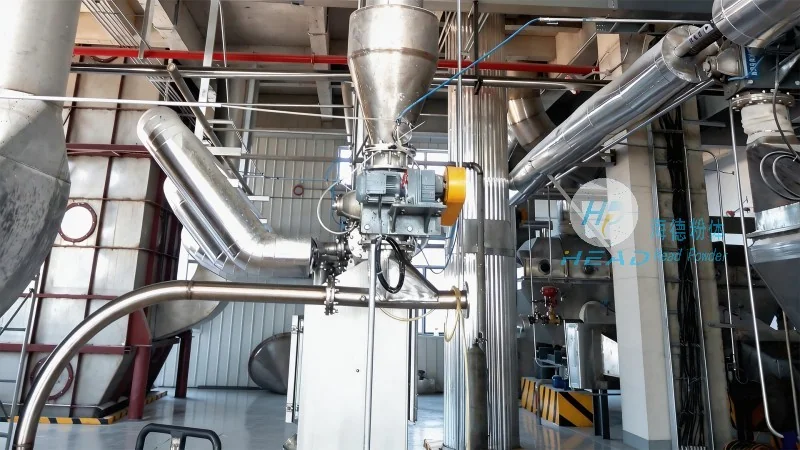
3. Pneumatic Conveying Systems: Ideal for Fine Synthetic Fibers
Pneumatic conveying systems use air or other gases to transport synthetic fibers, making them particularly suitable for fine or dust-like fibers that are difficult to handle with mechanical systems. These systems operate by creating a pressure differential that draws the fibers into a pipeline, where they are carried by the moving air. There are two main types of pneumatic conveyors: pressure and vacuum systems. Pressure systems use compressed air to push the fibers forward, while vacuum systems use suction to draw them into the pipeline. Pneumatic conveying offers advantages such as low maintenance, the ability to transport fibers over long distances, and the prevention of cross-contamination. However, it requires careful control of air pressure and flow rates to avoid fiber degradation or blockages. HeadPowder Engineering specializes in designing and manufacturing pneumatic conveying systems that are optimized for synthetic fibers. Their systems are equipped with advanced controls and filtration to ensure efficient and clean fiber transport, making them a preferred choice for industries dealing with fine synthetic fibers.
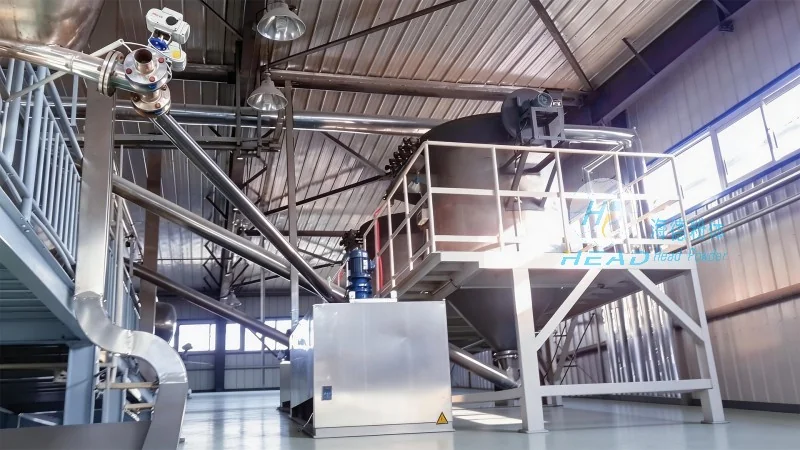
4. Bucket Elevators: Vertical Transport of Synthetic Fibers
For applications requiring vertical transport of synthetic fibers, bucket elevators are an effective solution. These systems use a series of buckets attached to a chain or belt that moves vertically, lifting fibers from a lower to an upper level. Bucket elevators are capable of handling large volumes of synthetic fibers and can be integrated into existing production lines. They are particularly useful in facilities where space is limited horizontally but vertical space is available. The design of bucket elevators for synthetic fibers includes features such as smooth buckets to prevent fiber entanglement and wear-resistant materials to withstand the abrasive nature of the fibers. HeadPowder Engineering provides bucket elevator solutions that are engineered for durability and efficiency, ensuring that synthetic fibers are transported safely and efficiently between different levels of a manufacturing plant. Their systems are designed to minimize fiber breakage and maintain consistent flow rates, contributing to overall operational efficiency.
5. Vibrating Conveyors: Gentle Handling of Delicate Synthetic Fibers
Vibrating conveyors use vibration to move synthetic fibers along a trough, providing a gentle and controlled method of transport. These systems are ideal for delicate synthetic fibers that are prone to damage from mechanical impact or friction. The vibration is typically generated by an electric motor connected to a drive system, which causes the conveyor to move in a sinusoidal pattern. This motion allows the fibers to slide along the trough without direct contact with the conveyor surface, reducing the risk of fiber breakage or degradation. Vibrating conveyors are also suitable for transporting fibers with varying bulk densities and moisture content, as the vibration helps to maintain a consistent flow. HeadPowder Engineering offers vibrating conveyor systems that are customized to the specific characteristics of synthetic fibers. Their designs incorporate adjustable vibration frequencies and amplitudes to optimize fiber transport, ensuring that delicate synthetic fibers are handled with care while maintaining high throughput. The company’s expertise in material handling ensures that their vibrating conveyors meet the demands of industries requiring gentle yet efficient fiber conveyance.