

What Methods Can Be Used for Hay Pellet Conveying?
Efficient hay pellet conveying is essential for the smooth operation of agricultural and feed processing facilities. As the demand for high-quality hay pellets grows, the need for reliable and effective conveying systems becomes increasingly important. Understanding the various methods available for transporting hay pellets can help businesses optimize their processes, reduce operational costs, and enhance overall productivity. This article explores the primary methods used for hay pellet conveying, providing insights into their applications, advantages, and considerations for implementation.
Gravity Conveying Systems
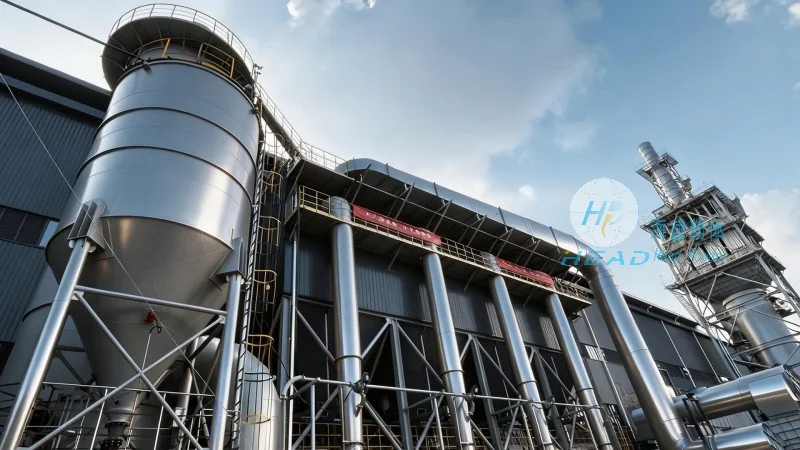
Gravity conveying systems utilize the natural force of gravity to move hay pellets from one location to another. These systems typically consist of inclined chutes or troughs that allow the pellets to slide down under the influence of gravity. For hay pellets with a consistent size and shape, gravity conveyors can be an economical and low-maintenance option. They are particularly suitable for short-distance transfers where the elevation change is minimal. The design of gravity conveyors often includes smooth, non-stick surfaces to prevent pellet sticking and ensure consistent flow. In applications such as feed mills or storage facilities, gravity chutes can be integrated into the overall layout to facilitate the movement of hay pellets from storage bins to processing equipment.
Mechanical Conveying Methods
Mechanical conveying systems employ mechanical components to move hay pellets. Among the most common types are belt conveyors and screw conveyors. Belt conveyors use a continuous belt to transport pellets horizontally or at a slight incline. This method is versatile and can handle a wide range of pellet sizes and quantities. The speed and direction of the belt can be adjusted to control the flow rate, making it suitable for both small and large-scale operations. Screw conveyors, also known as augers, use a rotating screw to push pellets forward. They are ideal for vertical or inclined transport and can handle bulk materials effectively. Both belt and screw conveyors are widely used in hay processing plants due to their durability and ability to handle abrasive materials like hay pellets. These mechanical systems are often integrated with other processing equipment, such as mixers or dryers, to create a seamless workflow.
Air Conveying (Pneumatic Conveying)
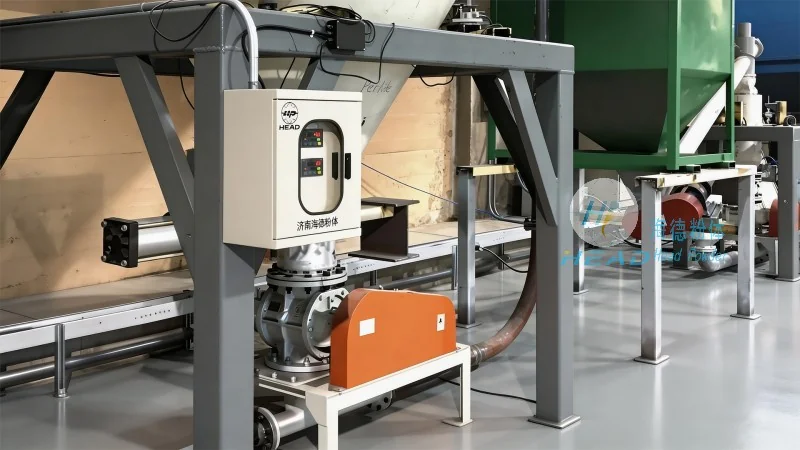
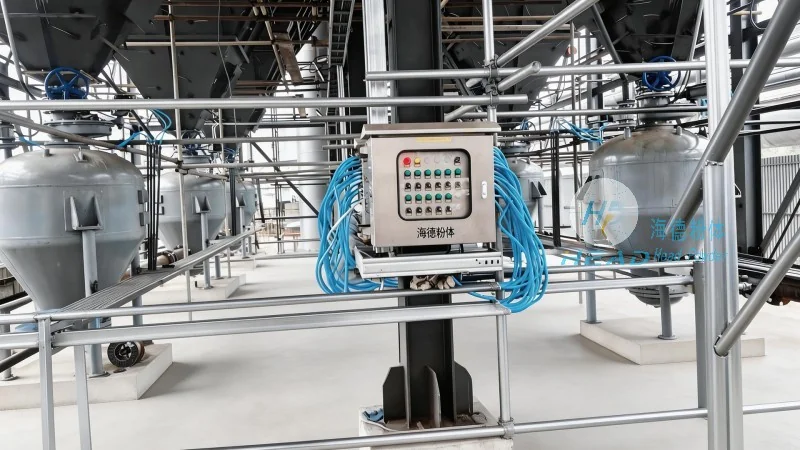
Air conveying, or pneumatic conveying, uses compressed air to transport hay pellets through a pipeline system. This method is particularly effective for long-distance or high-volume transfers where other systems may be impractical. There are two main types of pneumatic conveying: pressure and vacuum systems. Pressure systems use compressed air to push pellets through the pipeline, while vacuum systems use suction to draw pellets into the line. Air conveyors are known for their ability to handle fine or dusty materials and can be designed to operate in both positive and negative pressure modes. For hay pellets, air conveying offers advantages such as reduced labor costs, minimal material degradation, and the ability to transport materials through multiple points without the need for intermediate storage. However, air conveyors require more energy compared to gravity or mechanical systems and may need regular maintenance to ensure efficient operation.
Combination Conveying Systems
In many industrial settings, a single conveying method may not be sufficient to meet all operational requirements. Combination conveying systems, which integrate multiple methods, are often employed to achieve optimal performance. For example, a system might use a gravity chute for initial transport from a storage bin, followed by a mechanical screw conveyor for vertical movement, and then an air conveyor for final delivery to the processing area. This approach allows for flexibility and adaptability, ensuring that hay pellets are moved efficiently regardless of the layout or distance. Combination systems are particularly beneficial in large-scale feed processing facilities where multiple processing stages are involved. They can help reduce bottlenecks, improve material flow, and enhance overall system reliability. When designing a combination conveying system, factors such as material characteristics, distance, and elevation changes must be carefully considered to ensure the most effective configuration.
Factors to Consider When Choosing a Conveying Method
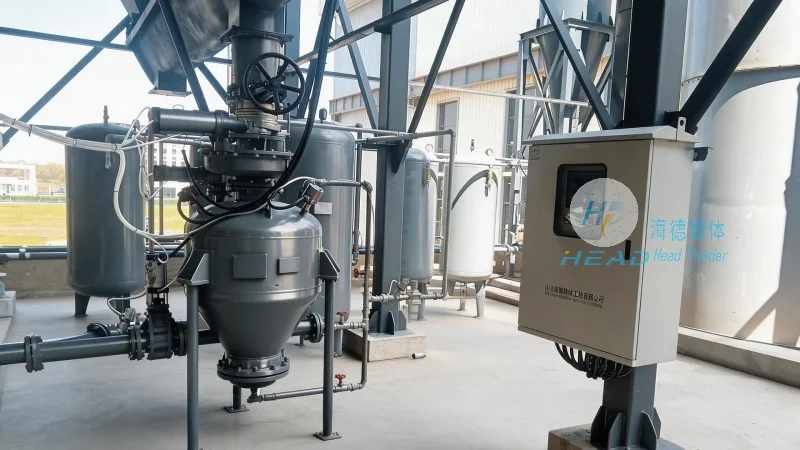
When selecting a hay pellet conveying method, several factors must be taken into account to ensure the best fit for a specific application. The first consideration is the distance and elevation change required for the transfer. Short distances with minimal elevation may be suitable for gravity systems, while longer distances or significant vertical movement may require mechanical or air conveyors. The volume and consistency of the hay pellets also play a role, as some systems are better suited for handling bulk materials versus smaller quantities. The material's properties, such as moisture content and abrasiveness, can affect the choice of conveyor type. For example, abrasive hay pellets may require more durable materials in the conveyor components to prevent wear and tear. Additionally, the available space and budget constraints must be considered. Gravity systems are generally more cost-effective, while air conveyors may have higher initial costs but lower labor requirements. The overall system integration and compatibility with existing equipment are also important factors. By evaluating these considerations, businesses can make an informed decision that maximizes efficiency and minimizes operational challenges.
Conclusion
In conclusion, hay pellet conveying methods vary widely, each with its own set of advantages and applications. Gravity, mechanical, and air conveying systems each offer unique benefits and are suitable for different scenarios. The choice of method depends on factors such as distance, elevation, material properties, and budget. For businesses seeking reliable and efficient hay pellet conveying solutions, Shandong HeadPowder Engineering Co., Ltd. provides a range of high-quality conveying equipment tailored to meet specific needs. With a focus on durability, performance, and customer satisfaction, HeadPowder's solutions help optimize hay processing operations and enhance overall productivity. Whether using gravity, mechanical, or air conveying systems, the right choice can significantly impact the efficiency and success of hay pellet handling in agricultural and feed processing facilities.