

Comparison of Common Bauxite Conveying Methods: Advantages and Disadvantages
Shandong HeadPowder Engineering Co., Ltd., a leading provider of industrial conveying solutions, specializes in designing and manufacturing equipment for the efficient transportation of bauxite and other bulk materials. With years of experience in the field, the company has developed a range of conveying systems tailored to meet the diverse needs of industrial operations. This article provides a comprehensive comparison of common bauxite conveying methods, highlighting the advantages and disadvantages of each system to assist in informed decision-making for bauxite processing plants.
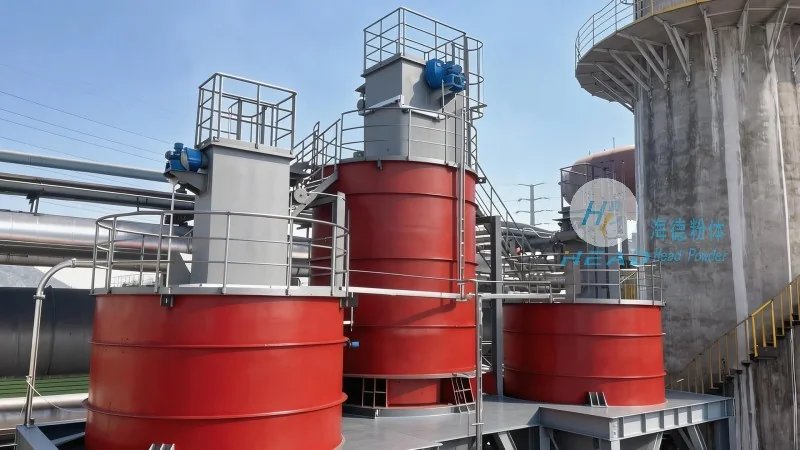
1. Belt Conveyor Systems: Efficiency and Versatility
Belt conveyors are among the most widely used methods for bauxite transportation due to their high capacity, continuous operation capability, and adaptability to various environments. These systems consist of a continuous loop of material handling belt that moves bauxite from the loading point to the discharge point. The primary advantage of belt conveyors is their ability to transport large volumes of material over long distances with minimal labor requirements. They are also relatively low in maintenance costs compared to other systems, making them economically viable for many industrial operations. Belt conveyors can be designed with steep inclines or declines, allowing for vertical and horizontal material movement, which is particularly useful in bauxite processing plants where elevation changes are common. However, belt conveyors have some limitations. They require regular maintenance to prevent belt wear and tear, and the system can be susceptible to material buildup or spillage if not properly managed. Additionally, the initial investment for a belt conveyor system can be substantial, which may be a barrier for smaller-scale operations.
2. Bucket Elevators: Vertical Material Handling
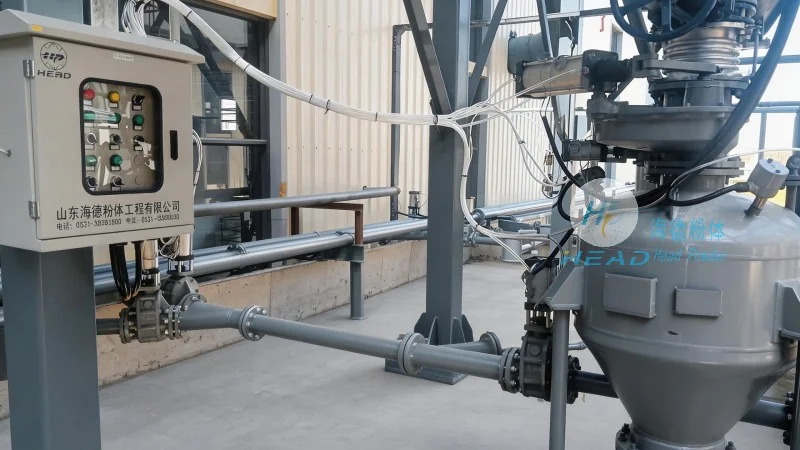
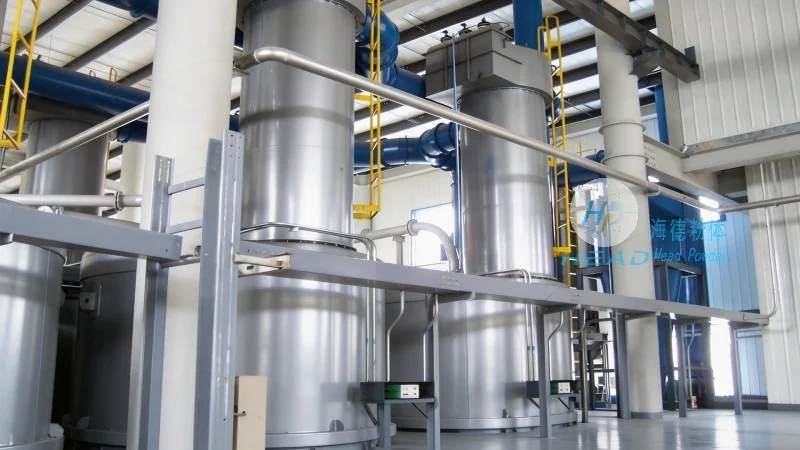
Bucket elevators are specialized equipment designed for vertical or near-vertical transportation of bauxite. These systems use a series of buckets attached to a chain or belt that moves vertically, lifting bauxite from a lower to a higher elevation. The key advantage of bucket elevators is their efficiency in vertical material transport, as they can move material at high speeds with minimal space requirements. This makes them ideal for applications where vertical movement is necessary, such as feeding crushers or storage silos. Bucket elevators are also relatively compact, allowing for installation in areas with limited horizontal space. However, bucket elevators have specific drawbacks. They are generally less suitable for transporting fine or powdery bauxite, as the material can easily fall through the buckets or cause blockages. The system also requires careful alignment and maintenance to prevent bucket damage or chain breakage, which can lead to operational downtime. Furthermore, the initial cost of a bucket elevator is higher compared to some other conveying methods, and the maintenance costs can be higher due to the moving parts involved.
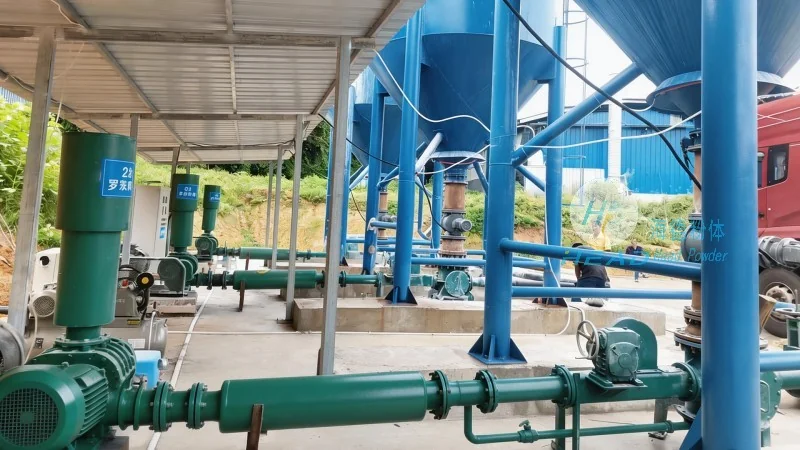
3. Screw Conveyors: Compact and Low-Profile
Screw conveyors, also known as auger conveyors, are another common method for bauxite transportation, especially in applications requiring horizontal or slight incline movement over short distances. These systems consist of a rotating screw (auger) inside a U-shaped or cylindrical housing that moves bauxite along the length of the conveyor. The primary advantage of screw conveyors is their compact design and low profile, making them suitable for installations with limited vertical or horizontal space. They are also relatively simple in construction, with fewer moving parts compared to belt or bucket elevators, which reduces maintenance requirements. Screw conveyors are effective for transporting bulk materials like bauxite in a controlled manner, and they can be easily integrated into existing processing lines. However, screw conveyors have limitations in terms of capacity and distance. They are generally not suitable for long-distance or high-capacity transport, as the material can experience friction and wear on the screw and housing. Additionally, the system may not be ideal for transporting abrasive or sticky bauxite, as this can cause increased wear and potential blockages. The initial cost of a screw conveyor is moderate, but the maintenance costs can be higher if the material is abrasive.