

Common Plaster Powder Conveying Methods: An Introduction to Plaster Powder Pneumatic Conveying
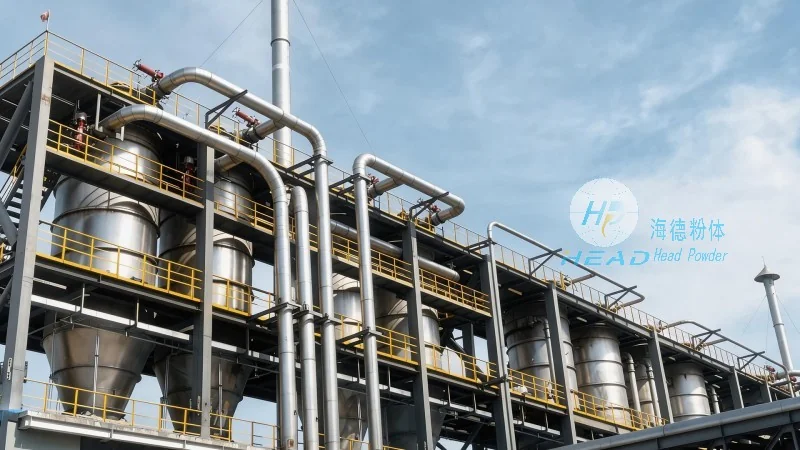
When it comes to the efficient and reliable transportation of plaster powder, selecting the right conveying method is crucial for industrial applications. Plaster powder, often used in construction and finishing processes, requires specialized handling to ensure minimal dust generation and optimal material flow. Among the various options available, pneumatic conveying stands out as a highly effective solution for transporting plaster powder from storage to processing or application points. This article explores common plaster powder conveying methods, with a focus on the advantages and applications of pneumatic systems.
Understanding Plaster Powder Conveying: Key Considerations
Before delving into specific conveying methods, it's essential to understand the unique properties of plaster powder that influence transportation choices. Plaster powder is typically a fine, dry powder with a relatively low bulk density, making it susceptible to dust formation and requiring careful handling to prevent clogging or degradation. Factors such as particle size, moisture content, and flowability play a significant role in determining the most suitable conveying system. Additionally, the distance between the storage location and the point of use, as well as the required throughput, are critical parameters that affect the selection of a conveying method. For industrial operations, the goal is to achieve efficient material transfer while maintaining product quality and minimizing operational costs.
Common Plaster Powder Conveying Methods
Several methods are commonly employed for transporting plaster powder, each with its own advantages and limitations. The primary options include mechanical conveying systems like screw conveyors, belt conveyors, and bucket elevators, as well as pneumatic conveying systems. Mechanical systems are generally suitable for shorter distances and lower throughput requirements, while pneumatic systems excel in longer-distance and high-volume applications. Below is an overview of these common methods:
1. Mechanical Conveying Systems
Mechanical conveying systems rely on mechanical components to move plaster powder. Screw conveyors, for example, use a rotating screw to push material forward, making them ideal for horizontal or slightly inclined transport. These systems are simple, low-cost, and effective for short distances, typically up to 30 meters. However, they may experience issues with clogging, especially with fine powders like plaster, and can generate significant dust if not properly sealed. Belt conveyors are another option, using a continuous belt to transport material over a series of rollers. They are suitable for longer horizontal distances and can handle larger volumes, but they require more space and maintenance compared to screw conveyors. Bucket elevators, on the other hand, use a vertical or inclined conveyor with buckets to lift and transport material. This method is effective for vertical or steep incline transport but may not be suitable for very fine powders due to the risk of material sticking to the buckets.
2. Pneumatic Conveying Systems
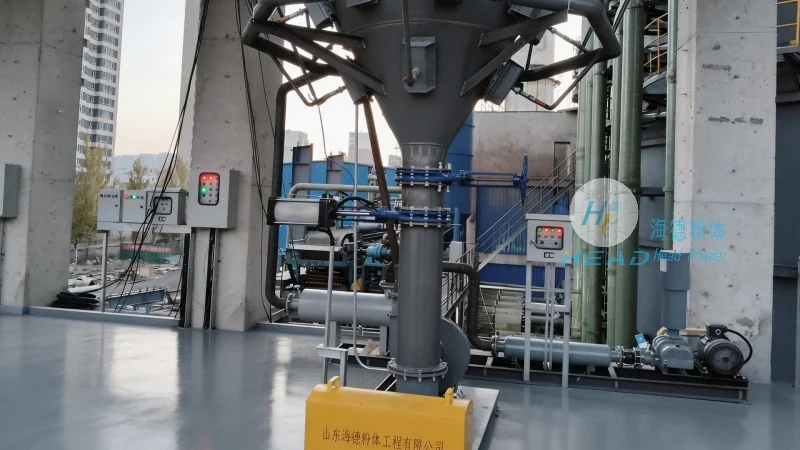
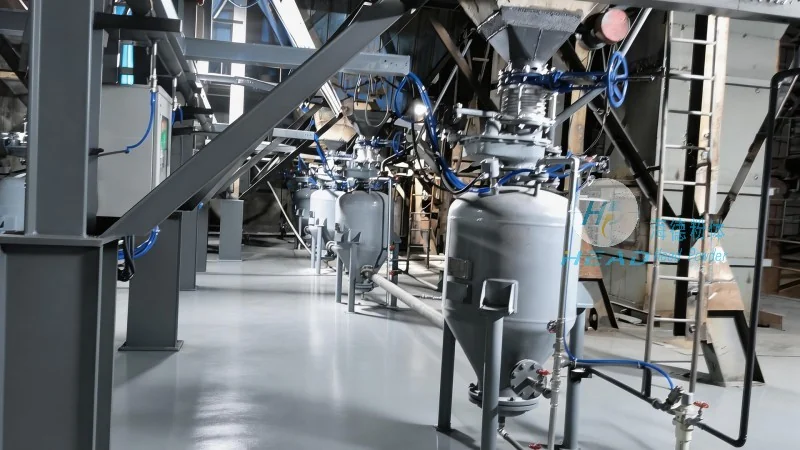
Pneumatic conveying systems use air or gas to transport plaster powder through a pipeline. This method is particularly well-suited for plaster powder due to its ability to handle fine, dry materials over long distances with minimal dust generation. Pneumatic systems can be categorized into two main types: pressure and vacuum. Pressure systems use compressed air to push the material through the pipeline, while vacuum systems use a vacuum to draw the material. The choice between pressure and vacuum depends on the application requirements, such as the distance to be covered and the need for material recovery. Pneumatic conveying offers several advantages, including high efficiency, low maintenance, and the ability to transport materials in a closed system, reducing dust exposure and environmental impact. However, it requires careful design to ensure proper air flow and prevent material buildup or clogging in the pipeline.
3. Hybrid Conveying Systems
In some cases, a combination of mechanical and pneumatic systems may be used to achieve optimal performance. For example, a screw conveyor might be used to feed a pneumatic conveying system, or a vacuum system might be integrated with a mechanical component to enhance material handling. Hybrid systems allow for greater flexibility and can address specific challenges, such as varying material flow rates or distance requirements. However, they may be more complex and costly to install and maintain compared to single-method systems.
Advantages of Plaster Powder Pneumatic Conveying
Among the various conveying methods, pneumatic conveying is often preferred for plaster powder applications due to its numerous advantages. One of the key benefits is the ability to transport fine powders over long distances without the need for multiple transfer points. This reduces material loss and improves overall efficiency. Pneumatic systems also offer a closed-loop operation, which helps minimize dust emissions and comply with environmental regulations. Additionally, they can handle varying material flow rates and can be easily integrated with other processing equipment, such as mixers or applicators. The low maintenance requirements of pneumatic systems, especially when compared to mechanical systems that may require frequent cleaning or replacement of components, make them a cost-effective solution in the long run. Furthermore, pneumatic conveying allows for the transportation of plaster powder in a controlled manner, ensuring consistent quality and reducing the risk of material degradation or contamination.
Applications of Plaster Powder Pneumatic Conveying
The applications of plaster powder pneumatic conveying are diverse and widespread across various industries. In the construction sector, pneumatic systems are commonly used to transport plaster powder from storage silos to mixing plants or application sites. This is particularly useful in large-scale construction projects where the material needs to be delivered to multiple locations efficiently. The food and pharmaceutical industries also utilize pneumatic conveying for transporting plaster powder, although in these cases, the system must be designed to meet stringent hygiene and safety standards. Additionally, in the manufacturing of plaster products, such as gypsum boards or decorative finishes, pneumatic systems are used to transport raw materials to production lines. The ability to handle fine powders and maintain product quality makes pneumatic conveying an ideal choice for these applications.
Conclusion: Choosing the Right Plaster Powder Conveying Method
When selecting a plaster powder conveying method, it is essential to consider the specific requirements of the application, including distance, throughput, material properties, and operational constraints. While mechanical systems may be suitable for short distances and lower volumes, pneumatic conveying is often the preferred choice for longer distances and higher throughput requirements. The advantages of pneumatic systems, such as efficiency, low maintenance, and dust control, make them a cost-effective and reliable solution for transporting plaster powder. Shandong HeadPowder Engineering Co., Ltd., a leading manufacturer of conveying systems, offers a range of pneumatic solutions tailored to the needs of plaster powder applications. With their expertise in material handling and industrial processes, HeadPowder provides high-quality equipment that ensures optimal performance and longevity. By understanding the unique properties of plaster powder and the capabilities of different conveying methods, industrial operations can select the most suitable system to meet their material handling needs while maintaining product quality and operational efficiency.