

Types of Alumina Conveying Methods: An Introduction to HeadPowder's Pneumatic Alumina Transport Solutions
Alumina, a vital raw material in industries such as ceramics, refractories, and chemicals, requires efficient and reliable transportation methods to support seamless production workflows. The selection of an appropriate conveying system is crucial as it directly impacts operational efficiency, material handling costs, and overall plant safety. Among the available options, pneumatic conveying stands out as a versatile and effective solution for alumina transport. This article explores the different types of alumina conveying methods and highlights the advanced pneumatic systems offered by Shandong HeadPowder Engineering Co., Ltd., commonly known as HeadPowder, a company based in Shandong, China.
Understanding Alumina Conveying Systems
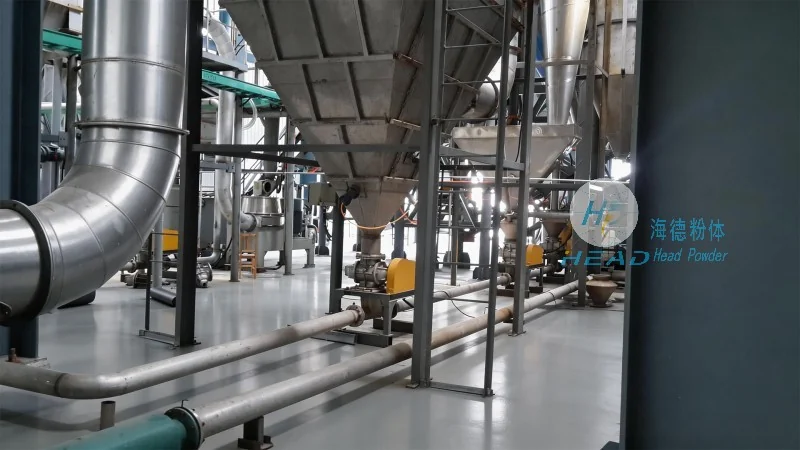
Before discussing specific conveying methods, it's essential to grasp the fundamental principles of material transport. Alumina, characterized by its fine particle size and abrasive nature, demands specialized equipment to prevent blockages, wear, and degradation. Conveying systems can be broadly classified into mechanical and pneumatic types. Mechanical systems, including screw conveyors and belt conveyors, are widely used but often struggle with handling fine powders and abrasive materials like alumina. Pneumatic conveying, which utilizes air or gas to move materials through a pipeline, offers advantages in terms of flexibility, cleanliness, and reduced mechanical wear.
Key Factors Influencing Conveying Method Selection
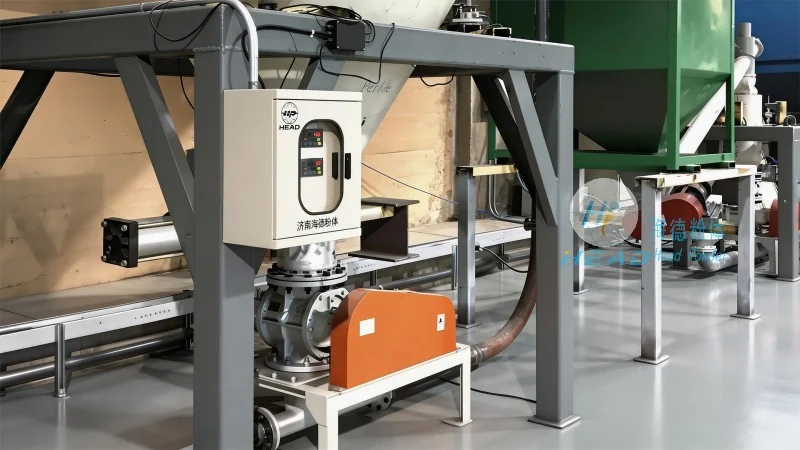
The choice of an appropriate alumina conveying method depends on several factors, including the material's properties, the distance to be covered, the required flow rate, and the plant layout. For instance, short-distance transport within a facility may be suitable for mechanical systems, while long-distance or complex routing often necessitates pneumatic solutions. Additionally, the need for dust control, compliance with environmental regulations, and the desire to minimize material degradation further influence the selection. HeadPowder's expertise lies in designing customized pneumatic conveying systems that address these specific requirements, ensuring optimal performance and longevity.
HeadPowder's Pneumatic Alumina Conveying Solutions
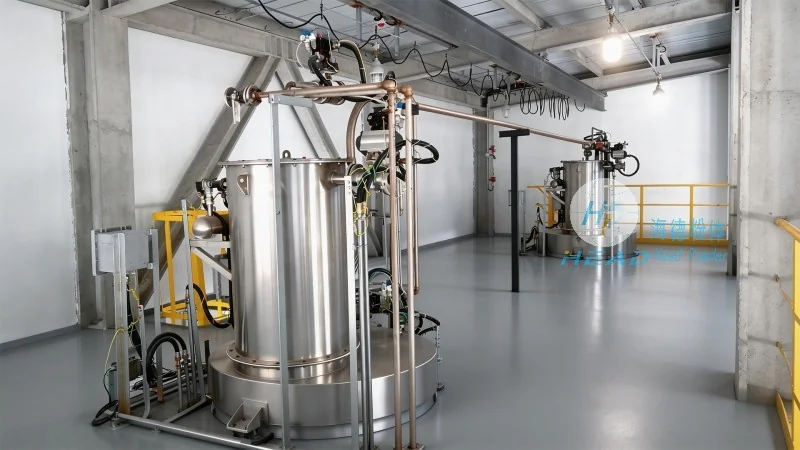
Shandong HeadPowder Engineering Co., Ltd., a leading manufacturer based in Shandong, China, specializes in providing comprehensive pneumatic conveying solutions tailored to the unique needs of alumina handling. The company's approach involves a thorough analysis of the client's operational parameters, material characteristics, and site constraints to develop a bespoke system. HeadPowder's pneumatic alumina conveying systems are engineered to deliver high efficiency, low maintenance, and reliable performance, even in challenging environments. The systems typically include components such as feeders, air locks, pipelines, and dust collectors, all designed to work in harmony to ensure seamless material transport.
Types of Pneumatic Conveying Systems for Alumina
HeadPowder offers several types of pneumatic conveying systems, each suited to different operational conditions and material flow requirements. The primary categories include positive pressure systems, negative pressure systems, and hybrid systems. Positive pressure systems, where air is forced through the pipeline, are ideal for long-distance transport and can handle both dilute and dense phase flows. These systems are particularly effective for transporting alumina over distances exceeding 100 meters, with the ability to maintain consistent flow rates and pressure. Negative pressure systems, on the other hand, draw material into the system using suction, making them suitable for applications requiring dust containment and material recovery. Hybrid systems combine elements of both positive and negative pressure, offering flexibility in handling varying material loads and distances. HeadPowder's engineers carefully evaluate the specific needs of each project to recommend the most suitable system type, ensuring optimal performance and cost-effectiveness.
Advantages of HeadPowder's Pneumatic Alumina Conveying Systems
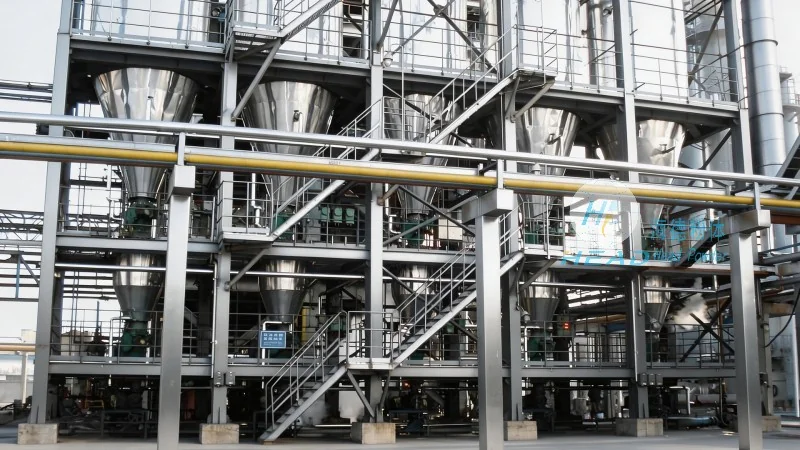
Implementing HeadPowder's pneumatic alumina conveying systems offers numerous advantages over traditional mechanical methods. Firstly, the systems provide a dust-free and clean environment, which is crucial for maintaining product quality and meeting environmental regulations. Unlike mechanical conveyors, which can generate significant dust and require additional dust control measures, pneumatic systems encapsulate the material within the pipeline, minimizing contamination risks. Secondly, the reduced mechanical wear and lower maintenance requirements translate into long-term cost savings. The absence of moving parts in the pipeline itself, except for feeders and air locks, minimizes the need for frequent repairs and replacements. Thirdly, the flexibility of pneumatic systems allows for easy integration with existing plant infrastructure and future expansion. HeadPowder's systems can be retrofitted or expanded to accommodate increased production demands or changes in material handling requirements, providing a scalable solution for growing businesses.