Công ty TNHH Kỹ thuật Headpowder Sơn Đông chuyên vận chuyển khí nén bột và hạt. Nhờ thế mạnh hợp tác doanh nghiệp‑trường‑viện, chúng tôi cung cấp giải pháp vận chuyển kín, không bụi, độ chính xác cao.
In the food processing industry, particularly in the production of peanut-based products, efficient and reliable conveying of peanut kernels is crucial for maintaining product quality and operational efficiency. The choice of conveying method significantly impacts production speed, energy consumption, and the overall integrity of the peanut kernels. This article provides a detailed comparison of common peanut kernels conveying methods, highlighting their advantages and disadvantages to assist manufacturers in making informed decisions.
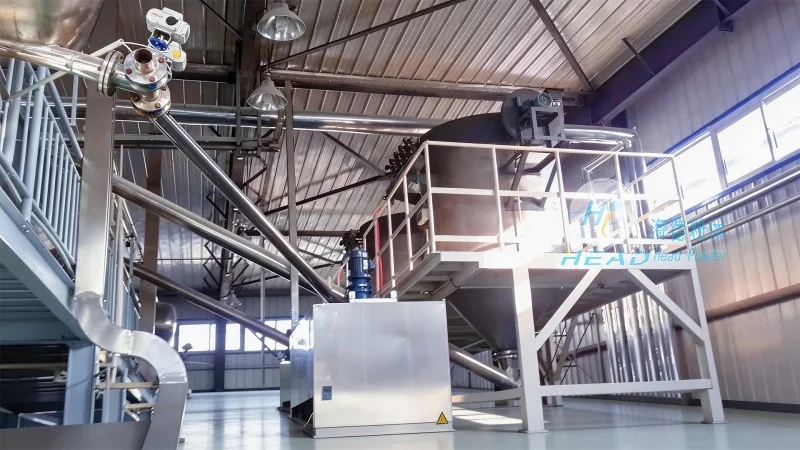
About HeadPowder: Your Trusted Partner in Conveying Solutions
HeadPowder, a leading manufacturer based in Shandong, China, specializes in providing high-quality conveying equipment tailored to the needs of the food processing sector. With years of experience and a commitment to innovation, HeadPowder offers solutions that enhance productivity while ensuring compliance with industry standards. Our products are designed to handle the unique challenges of conveying peanut kernels, from raw material intake to processing and packaging stages.
Common Conveying Methods for Peanut Kernels
Several methods are widely used for transporting peanut kernels. The selection depends on factors such as production scale, budget, and the specific requirements of the processing line. Below is an overview of the most common approaches:
1. Gravity Conveying Systems
Gravity conveying relies on the natural force of gravity to move peanut kernels from one point to another. This method typically involves inclined chutes or hoppers that allow the kernels to slide down under their own weight. It is often used for short distances and low volumes where the elevation change is sufficient to facilitate movement.
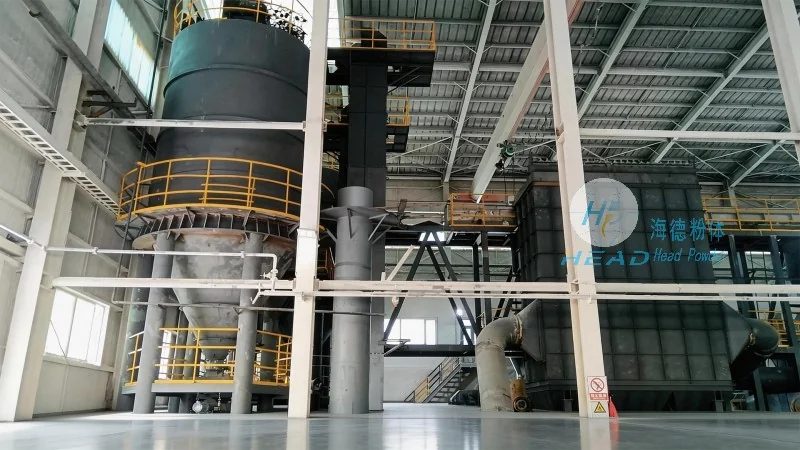
Advantages of gravity conveying include low energy consumption, minimal maintenance, and no moving parts that could cause wear or damage to the kernels. It is particularly suitable for applications where the peanut kernels are relatively dry and free-flowing, and where the layout of the processing facility allows for natural slope utilization.
However, the disadvantages are also notable. Gravity systems are limited by the need for a sufficient vertical drop or horizontal distance, and they are not suitable for long-distance or vertical transport. Additionally, they may not be effective for handling sticky or wet peanut kernels, as these can cause blockages or uneven flow. The speed of material movement is also slower compared to mechanical or pneumatic systems, which can impact overall production throughput.
2. Mechanical Conveying Systems
Mechanical conveying systems use mechanical components such as belts, chains, or screws to move peanut kernels. The most common types include belt conveyors and screw conveyors. These systems are versatile and can handle a wide range of peanut kernel sizes and conditions.
Belt conveyors are widely used for horizontal and inclined transport. They consist of a continuous belt looped over rollers, with the peanut kernels placed on the belt surface. The belt moves the kernels forward, and the speed can be adjusted to control the flow rate. Screw conveyors, on the other hand, use a rotating screw inside a tube to push the kernels along. They are particularly effective for vertical or inclined transport and can handle materials with higher moisture content.
Advantages of mechanical conveying include high capacity, reliable operation, and the ability to handle various peanut kernel conditions. Belt conveyors are easy to install and maintain, while screw conveyors are compact and can be integrated into existing processing lines. These systems are also relatively inexpensive compared to pneumatic alternatives.
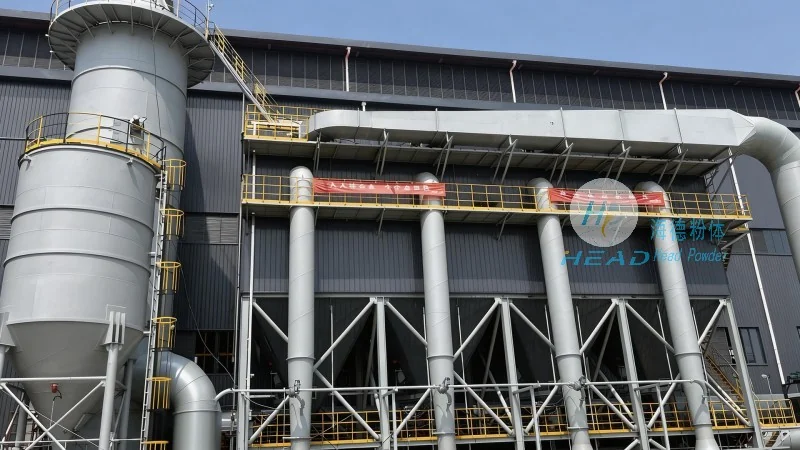
Nevertheless, mechanical conveyors have their drawbacks. They require regular maintenance to prevent belt wear, motor issues, or screw damage. The moving parts can cause friction and heat, which may affect the quality of heat-sensitive peanut kernels. Additionally, mechanical systems may not be suitable for transporting sticky or oily peanut kernels, as these can cause the belt or screw to become clogged. The initial investment and energy consumption are higher than gravity systems, especially for large-scale operations.
3. Pneumatic Conveying Systems
Pneumatic conveying uses air or other gases to transport peanut kernels through a pipeline. This method is often referred to as "air slide" or "pneumatic conveyor" and is particularly effective for long-distance and vertical transport.
The system typically consists of a hopper, a blower, and a pipeline. The peanut kernels are fed into the hopper, and the blower creates a low-pressure zone that draws the kernels into the pipeline. The air flow carries the kernels along the pipeline to the destination. Pneumatic conveying can be either positive or negative pressure, depending on the application.
Advantages of pneumatic conveying include high speed, flexibility in layout, and the ability to transport materials over long distances without the need for multiple transfer points. It is also suitable for handling sticky or wet peanut kernels, as the air flow prevents blockages. The system can be integrated with other processing equipment, such as hoppers and classifiers, to create a seamless production line.

 Shandong Headpowder Engineering Co., Ltd.
 156-6277-7102(Quản lý Trương)
  0531-83386006
  Thành phố Tế Nam, Tỉnh Sơn Đông, Trung Quốc
Điện thoại
WeChatTư vấn
Lên đầu