

Methods of Transporting Manganese Silicate
When it comes to the transportation of manganese silicate, there are several effective methods that ensure the material is delivered safely and efficiently. These methods are tailored to meet the specific requirements of different industries and applications, providing reliable solutions for both bulk and packaged shipments.
Overview of Manganese Silicate Transportation
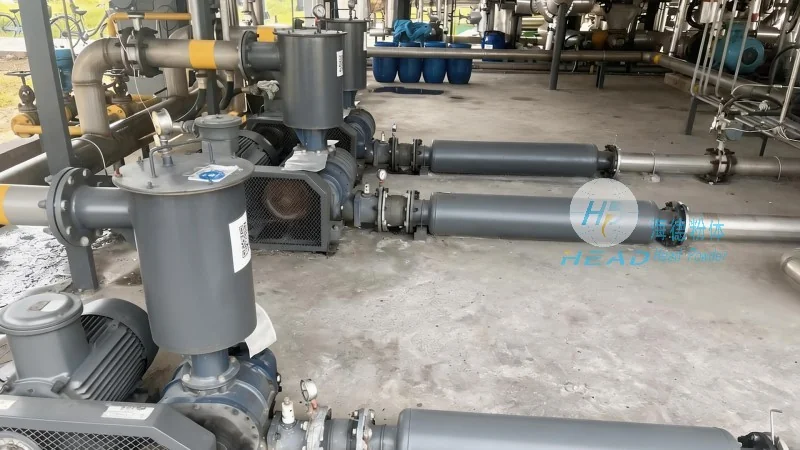
Manganese silicate, a compound widely used in various industrial processes, requires careful handling during transportation to maintain its quality and prevent contamination. The choice of transportation method depends on factors such as the quantity of the material, the distance of the shipment, and the end-use requirements. At Shandong HeadPowder Engineering Co., Ltd., we understand the importance of selecting the right transportation approach to ensure customer satisfaction and compliance with industry standards.
Bulk Transportation Methods
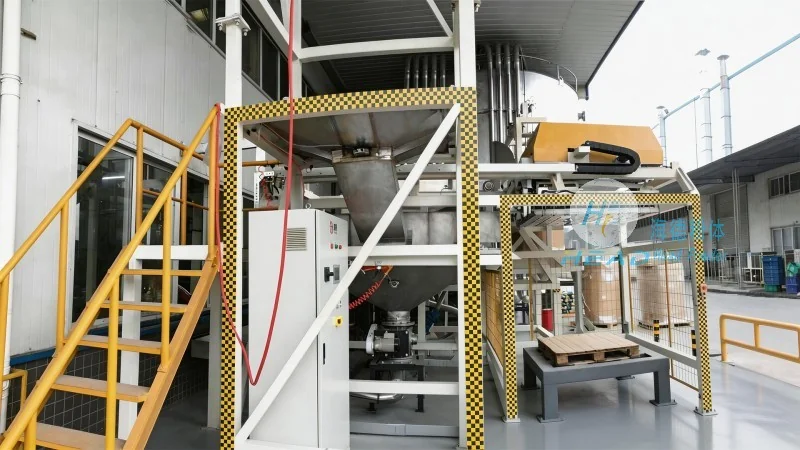
For large-scale shipments of manganese silicate, bulk transportation methods are commonly employed. One of the primary methods is through pipelines, which are particularly suitable for continuous production lines and industrial facilities. The material is pumped through a network of pipes, allowing for seamless and automated delivery. This method minimizes handling and reduces the risk of material loss or degradation. Additionally, bulk transport via rail or road tankers is another option for long-distance bulk shipments. Tankers are designed to carry large volumes of the material, ensuring that the product remains stable during transit. The use of specialized tankers, equipped with temperature and pressure controls, helps maintain the integrity of manganese silicate, especially when dealing with sensitive applications.
Packaged Transportation Methods
For smaller quantities or when the material needs to be delivered to specific locations, packaged transportation methods are preferred. Manganese silicate is often packaged in containers such as plastic drums, fiber drums, or metal drums. These containers are chosen based on the material's properties and the intended use. For example, plastic drums are lightweight and resistant to corrosion, making them ideal for transporting manganese silicate in various industrial settings. Fiber drums, on the other hand, offer better protection against impact and are commonly used for bulkier shipments. Metal drums provide the highest level of security and are suitable for applications where the material may be exposed to harsh conditions. The packaging process involves careful sealing to prevent moisture and air from entering, which could affect the material's quality. At Shandong HeadPowder Engineering Co., Ltd., we ensure that all packaging materials meet the required standards, providing our customers with reliable and secure delivery options.
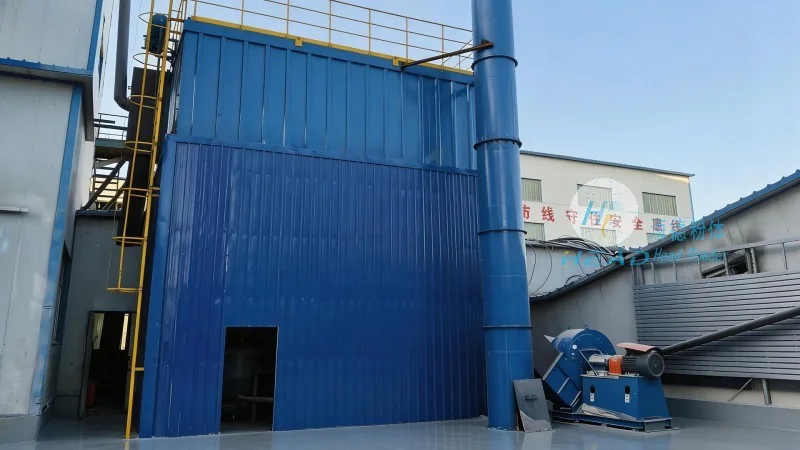
Specialized Transportation Considerations
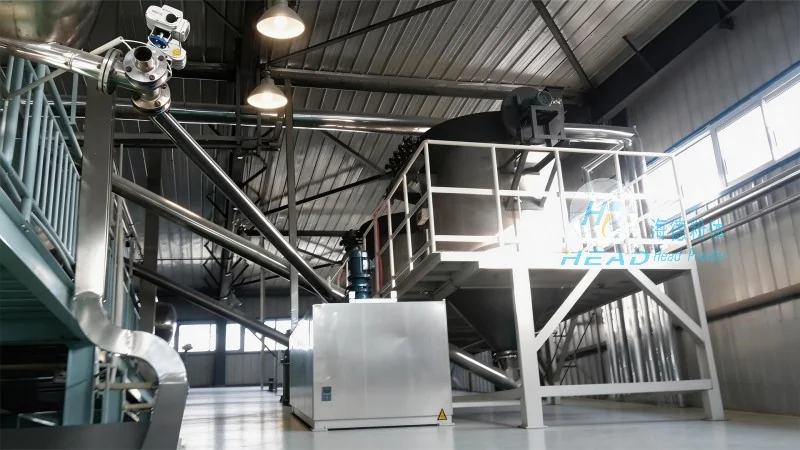
In some cases, specialized transportation methods may be required to handle manganese silicate, especially when dealing with high-purity or specialized grades. For instance, cryogenic transport may be used for certain applications where the material needs to be kept at low temperatures. This involves the use of insulated containers and refrigeration systems to maintain the desired temperature throughout the journey. Additionally, for shipments to remote or challenging locations, specialized vehicles or equipment may be employed to ensure safe delivery. These considerations highlight the importance of working with experienced suppliers like Shandong HeadPowder Engineering Co., Ltd., who have the expertise and resources to handle diverse transportation needs.
Ensuring Compliance and Safety
During the transportation of manganese silicate, compliance with safety regulations and industry standards is paramount. This includes proper labeling, handling procedures, and documentation to ensure that the material is transported in accordance with local and international laws. At Shandong HeadPowder Engineering Co., Ltd., we adhere to strict safety protocols to protect both our personnel and the environment. This includes training our staff on proper handling techniques, using appropriate personal protective equipment (PPE), and implementing safety measures to prevent accidents during transportation. By prioritizing safety and compliance, we ensure that our customers receive high-quality manganese silicate that meets all regulatory requirements.