

Clay Sand Conveying Methods: An Overview of the Advantages and Features of Pneumatic Conveying for C
Clay sand, a crucial material in various industrial applications such as foundry, construction, and environmental remediation, requires efficient and reliable transportation methods to ensure smooth operational processes. The choice of conveying method significantly impacts productivity, material quality, and overall system performance. Among the available options, pneumatic conveying stands out as a preferred solution for handling clay sand due to its unique advantages and features. This article explores the different clay sand conveying methods and highlights the key benefits of pneumatic conveying systems, providing insights into how these technologies enhance material handling efficiency. The information presented here is based on the expertise of Shandong HeadPowder Engineering Co., Ltd., a leading provider of industrial material handling solutions, with operations based in Shandong, China.
Introduction to Clay Sand Conveying Methods
Clay sand, composed of clay particles mixed with sand, is widely used in industries like foundry for molding and in construction for soil stabilization. The primary goal of conveying clay sand is to transport it from its source to the processing or application point with minimal loss, contamination, and energy consumption. Traditional conveying methods include mechanical systems like belt conveyors, screw conveyors, and bucket elevators, which have been widely used for decades. However, these methods often face challenges when dealing with fine, dusty, or abrasive materials like clay sand, leading to issues such as material degradation, equipment wear, and operational inefficiencies.
Traditional Conveying Methods for Clay Sand
1. Belt Conveyors: Belt conveyors are commonly used for transporting bulk materials over short to medium distances. They consist of a continuous belt that moves over rollers or pulleys, carrying the material from one location to another. While effective for larger, less abrasive materials, belt conveyors may struggle with clay sand due to the fine particles that can cause clogging or slipping on the belt surface. Additionally, the high friction and wear on the belt and pulleys can lead to increased maintenance costs and reduced lifespan of the equipment.
2. Screw Conveyors: Screw conveyors, also known as auger conveyors, use a rotating screw to move material along a tube or trough. They are suitable for handling dry, free-flowing materials and can be used vertically or horizontally. However, when dealing with clay sand, screw conveyors may experience issues such as material bridging, which can cause blockages and require frequent cleaning. The abrasive nature of clay sand can also lead to excessive wear on the screw and trough, necessitating regular replacement and maintenance.
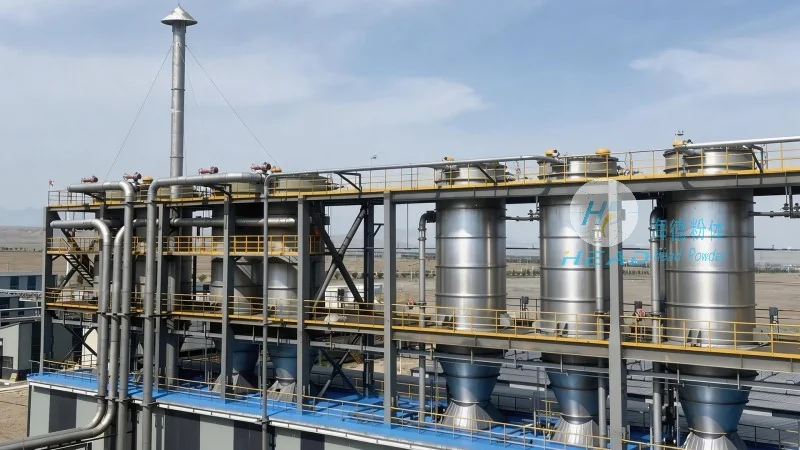
3. Bucket Elevators: Bucket elevators are vertical or inclined conveyors that use buckets attached to a chain or belt to lift and transport materials. They are ideal for vertical transport and can handle a wide range of materials, including clay sand. However, bucket elevators can be complex and expensive to install and maintain. The high stress on the buckets and chains, especially when transporting abrasive materials like clay sand, can lead to premature failure and increased operational downtime.
Pneumatic Conveying: The Preferred Solution for Clay Sand
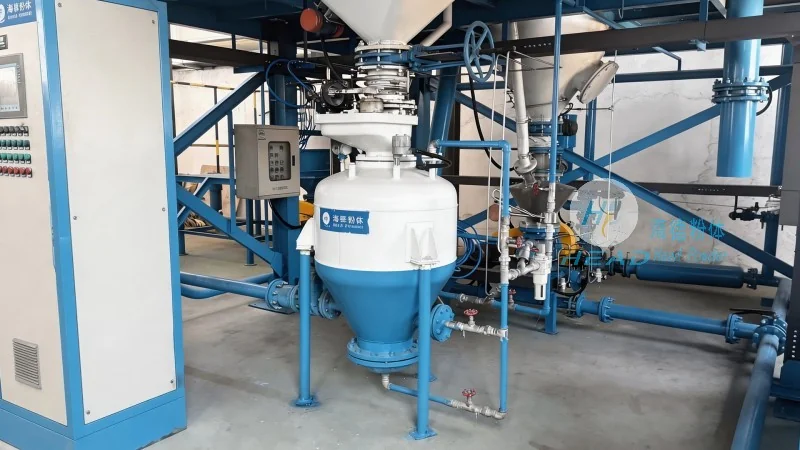
Pneumatic conveying, also known as air conveying, is a method that uses compressed air to transport bulk materials through a pipeline. This technology is particularly well-suited for clay sand due to its ability to handle fine, dusty, and abrasive materials with minimal degradation and loss. The system typically consists of a blower, a hopper, a pipeline, and a receiver, with optional components like filters and cyclones to separate the material from the air.
Key Advantages of Pneumatic Conveying for Clay Sand
1. Efficient Material Handling: Pneumatic conveying systems can transport clay sand over long distances with high efficiency, often at speeds of several meters per second. The continuous flow of material ensures a steady supply to the processing equipment, reducing downtime and improving overall productivity. Unlike mechanical systems that may experience blockages or material bridging, pneumatic conveying maintains a consistent flow, minimizing disruptions in the production process.
2. Reduced Material Degradation: The enclosed pipeline design of pneumatic conveying systems prevents exposure of clay sand to external elements, such as moisture or contaminants, which can degrade the material's quality. The gentle handling of the material through the pipeline reduces the risk of breakage or agglomeration, preserving the integrity of the clay sand particles. This is particularly important in applications where the material's properties, such as particle size and moisture content, directly impact the final product quality.
3. Low Maintenance and Long Lifespan: Pneumatic conveying systems have fewer moving parts compared to mechanical systems like belt or screw conveyors, resulting in lower maintenance requirements and reduced downtime. The absence of heavy components like belts, screws, or buckets minimizes wear and tear, extending the lifespan of the equipment. Additionally, the system's simplicity allows for easy cleaning and maintenance, ensuring consistent performance over time.
4. Versatility and Flexibility: Pneumatic conveying systems can be easily adapted to different operational requirements, such as varying material flow rates or changing distances. The ability to integrate with other equipment, such as mixers, dryers, or filters, enhances the system's flexibility and allows for seamless integration into existing production lines. This adaptability makes pneumatic conveying suitable for a wide range of applications, from small-scale operations to large industrial plants.
Features of Pneumatic Conveying Systems for Clay Sand
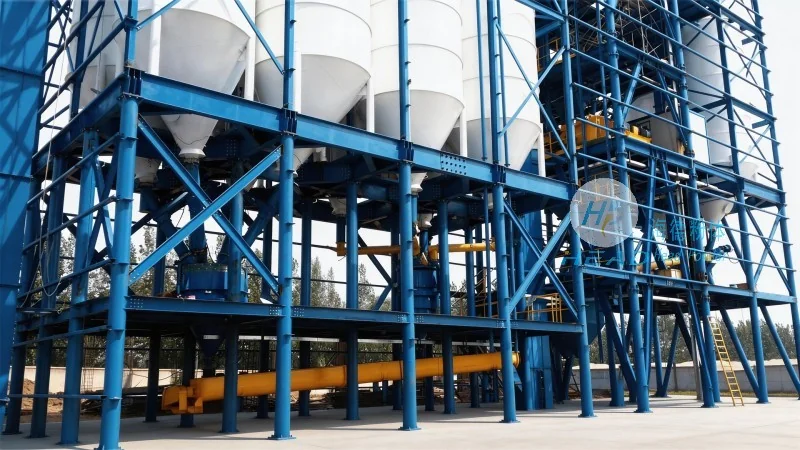
1. High Capacity and Flow Control: Pneumatic conveying systems can handle high volumes of clay sand, with flow rates ranging from a few kilograms per hour to several tons per hour. The system's ability to adjust air pressure and flow rate allows for precise control over the material's movement, ensuring optimal performance under different conditions. This flexibility is crucial for meeting the varying demands of industrial processes.
2. Minimal Downtime and Maintenance: The design of pneumatic conveying systems minimizes the risk of mechanical failures, reducing the need for frequent maintenance and repairs. The use of durable materials, such as stainless steel or high-quality plastics, ensures resistance to corrosion and wear from clay sand particles. Regular maintenance, such as cleaning filters and checking air pressure, is straightforward and can be performed by trained personnel, further reducing operational costs.
3. Environmental Benefits: Pneumatic conveying systems are designed to minimize dust emissions and environmental impact. The enclosed pipeline and filtration systems effectively capture and contain dust, preventing it from escaping into the environment. This not only improves workplace safety but also complies with environmental regulations, making pneumatic conveying an environmentally friendly option for clay sand handling.
Conclusion
In conclusion, the choice of clay sand conveying method significantly impacts the efficiency and effectiveness of industrial operations. While traditional methods like belt, screw, and bucket elevators have their applications, pneumatic conveying emerges as a superior solution for handling clay sand due to its efficiency, minimal material degradation, low maintenance, and versatility. The advantages of pneumatic conveying systems, including high capacity, flow control, and environmental benefits, make them an ideal choice for industries requiring reliable and sustainable material handling solutions. As technology continues to advance, pneumatic conveying systems are likely to remain a key component in the efficient processing of clay sand, supporting the growth and success of various industrial sectors.